
Maintaining a healthy bean crop requires a deep understanding of the plant’s physiological needs throughout its entire growth cycle. Success in the garden starts with consistent monitoring of soil conditions and plant health to prevent issues before they arise. You should focus on providing a stable environment where fluctuations in moisture and temperature are kept to a minimum. Professional gardeners know that the foundation of a high-yield harvest is laid during the early weeks of vegetative development.
Proper weed management is essential because beans have relatively shallow root systems that do not compete well with aggressive wild plants. You must remove weeds regularly to ensure that nutrients and water are reserved exclusively for your legumes. Mulching the area with organic straw or shredded leaves can significantly reduce the germination of weed seeds while preserving soil moisture. Be careful during manual weeding to avoid disturbing the delicate roots of the bean plants located just below the surface.
Air circulation plays a vital role in preventing the development of fungal pathogens that thrive in stagnant, humid environments. You should space your plants according to the specific requirements of the variety to allow wind to pass freely through the foliage. Dense canopies often trap moisture from dew or rain, which creates an ideal breeding ground for various types of mildew and mold. Pruning overlapping leaves in high-density plantings can sometimes be necessary to maintain a dry and healthy microclimate within the rows.
Soil aeration is another critical factor that influences the overall vigor of your bean plantation. If the ground becomes too compacted, the roots will struggle to access oxygen and the beneficial bacteria responsible for nitrogen fixation will perish. You can use a hand fork to gently loosen the soil around the base of the plants without digging too deep. Incorporating well-rotted compost before the season begins will help maintain a crumbly soil structure that promotes healthy root expansion.
Support systems for climbing varieties
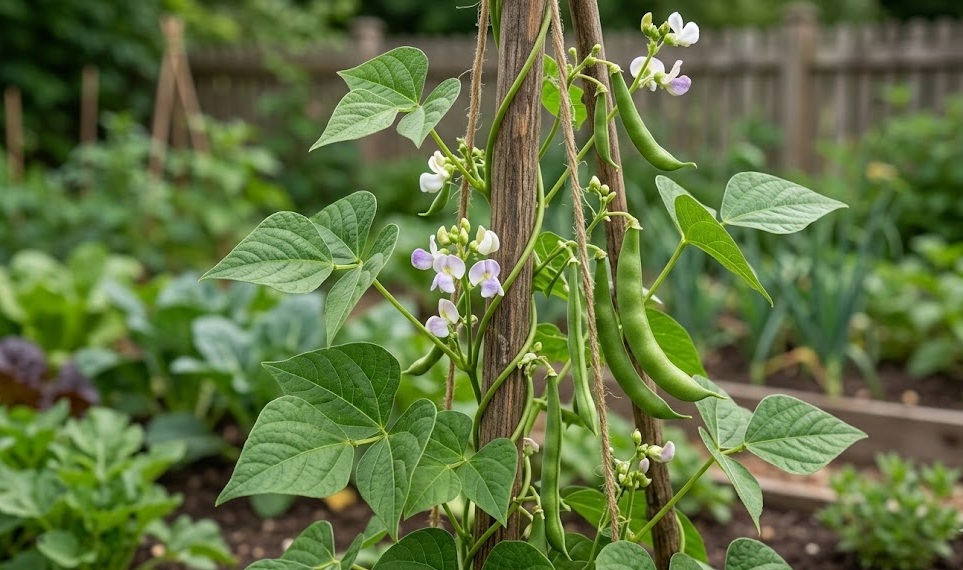
Climbing or pole beans require sturdy vertical structures to reach their full potential and produce a clean, accessible harvest. You should install your trellises, teepees, or netting systems before the seeds are even planted to avoid damaging young roots later. A strong support allows the plant to grow upward, which maximizes sun exposure for every leaf and improves overall productivity. Monitoring the vines as they begin to spiral is important to ensure they find their way to the provided support.
More articles on this topic
The material used for supports should be durable enough to withstand strong winds and the increasing weight of the maturing plants. Wooden stakes or bamboo poles are popular organic choices, while metal wire mesh offers more longevity for long-term gardening operations. You must ensure that the surface of the support is rough enough for the bean tendrils to grip effectively as they climb. Inspect your structures regularly during the peak growing season to make sure they are not leaning or breaking under the heavy load of the pods.
Training the young vines is a simple task that can prevent them from sprawling across the ground where they are susceptible to rot. You can gently guide the leading shoots toward the trellis in a counter-clockwise direction, which is the natural climbing pattern for most bean species. Once the plant reaches the top of the support, you may choose to pinch the growing tip to encourage lateral branching. This technique often leads to a more concentrated fruiting area and makes the harvesting process much more efficient for the gardener.
Providing adequate spacing between the individual supports is just as important as the height of the structures themselves. You should leave enough room for yourself to walk between the rows and pick the pods without damaging the vines. Proper spacing also ensures that the lower sections of the plants receive enough sunlight to prevent yellowing of the leaves. Large-scale growers often use A-frame structures because they offer excellent stability and allow for easy mechanical or manual intervention throughout the season.
Managing environmental stress
Temperature fluctuations can have a significant impact on the flowering and pod set of your bean plants. Most varieties prefer a moderate range between 18 and 27 degrees Celsius for optimal metabolic functioning. When temperatures exceed 32 degrees, the plants may experience heat stress, leading to the unfortunate dropping of blossoms before they can develop into fruit. You can mitigate the effects of extreme heat by using shade cloths or increasing the frequency of irrigation during heatwaves.
More articles on this topic
Early season frost is a major threat that can completely destroy a young bean crop if you are not prepared. Since these plants are highly sensitive to cold, you should always keep a supply of horticultural fleece or row covers ready for unexpected temperature drops. Covering the plants in the evening helps trap the warmth radiated from the soil and provides a few degrees of vital protection. Make sure to remove the covers during the day to allow for natural light and to prevent the buildup of excessive humidity.
High winds can cause physical damage to the large leaves of bean plants and may even snap the stems of unsupported bush varieties. Planting windbreaks or utilizing the natural shelter of taller crops like corn can provide a much-needed buffer for your bean patch. If you live in an area prone to storms, choosing low-growing bush beans might be a more practical decision than tall climbing types. Always check your plants after a heavy storm to remove any broken branches that could become entry points for diseases.
Mulching is a professional technique used to stabilize the soil temperature and protect the roots from rapid environmental changes. A thick layer of organic mulch acts as an insulator, keeping the ground cooler in the summer and warmer during chilly nights. It also prevents the soil surface from crusting over after heavy rain, which allows for better water infiltration and gaseous exchange. As the mulch decomposes over time, it slowly releases nutrients back into the ecosystem, further benefiting your gardening efforts.
Pollination and fruit development
Successful bean production relies heavily on the presence of pollinating insects and the health of the reproductive organs within the flowers. Most common beans are self-pollinating, but the activity of bees and other insects can still enhance the overall yield and quality. You should avoid using broad-spectrum insecticides during the flowering period to protect these beneficial visitors. Creating a diverse garden environment with plenty of nectar-rich flowers nearby will attract more pollinators to your bean rows.
Blossom drop is a common issue that occurs when environmental conditions are not suitable for the fertilization of the flowers. This can be caused by excessive heat, lack of water, or even a sudden imbalance in soil nutrients. If you notice your plants are losing flowers without forming pods, you should evaluate the current moisture levels and provide extra shade. Usually, the plants will resume normal pod development once the weather stabilizes and the stress factors are removed.
The development of the pods is the most energy-intensive phase of the bean plant’s life cycle. During this time, the demand for water increases significantly as the plant pumps nutrients into the growing seeds. You should ensure that the soil remains consistently moist but never waterlogged to support this rapid expansion. Professional growers often monitor the appearance of the pods daily to determine the exact moment when the seeds have reached their peak culinary quality.
Once the pods begin to fill out, the weight can sometimes cause the branches of bush beans to sag toward the ground. Providing small supports or simply banking up the soil around the base of the stems can help keep the fruit away from soil-borne pathogens. Keeping the pods clean and dry is essential for maintaining their market value and shelf life after harvest. You should also look for any signs of pest damage on the developing fruit and take immediate action if necessary.
Nutrient cycling and soil health
Beans are unique members of the legume family because they have a symbiotic relationship with specific bacteria that fix atmospheric nitrogen. These bacteria live in small nodules on the roots and provide the plant with an essential nutrient in exchange for carbohydrates. You should avoid applying high-nitrogen fertilizers to mature bean plants, as this can actually discourage the nitrogen-fixation process. Instead, focus on maintaining a balanced level of phosphorus and potassium to support flower and root development.
Crop rotation is a fundamental practice for any serious gardener who wants to maintain long-term soil productivity. You should never plant beans in the same spot for more than two consecutive years to prevent the buildup of species-specific pests and diseases. Following beans with heavy-feeding crops like leafy greens or brassicas is a smart strategy because they can utilize the nitrogen left behind in the soil. This natural cycle reduces the need for synthetic inputs and promotes a more sustainable gardening ecosystem.
Testing your soil pH periodically is a professional habit that ensures your beans can access the nutrients present in the ground. They generally thrive in a slightly acidic to neutral range, typically between 6.0 and 7.0 on the pH scale. If the soil is too acidic, you can apply garden lime to raise the level, whereas sulfur can be used to lower it. Proper pH management ensures that micronutrients like molybdenum, which is essential for nitrogen fixation, remain available to the plant roots.
Cover cropping during the off-season is an excellent way to protect the soil structure and add even more organic matter. You can plant winter rye or clover in the bean patch once the harvest is finished to prevent erosion and nutrient leaching. In the spring, these cover crops can be tilled back into the soil or mowed down to serve as a green manure. This practice enriches the biological life of the soil and prepares a perfect foundation for the next generation of crops.
Harvesting for maximum quality
The timing of your harvest is the most critical factor in determining the flavor and texture of your home-grown beans. For snap beans, you should pick the pods while they are still young, tender, and before the seeds inside become visible. If you wait too long, the pods will become tough, stringy, and lose their sweet, delicate taste. Frequent harvesting actually encourages the plant to continue producing new flowers and pods, extending your productive season significantly.
When picking beans, it is important to use both hands to avoid pulling the entire plant out of the ground or snapping the delicate stems. You should hold the vine with one hand and gently snap the pod off at the stem with the other. Damaging the plant during harvest can create wounds that are easily colonized by bacteria and fungi. Always try to harvest when the plants are dry to minimize the risk of spreading diseases through physical contact.
Shelling beans and dry beans require a different approach where the pods are left on the vine until they are fully mature. For dry beans, you should wait until the pods are brown, brittle, and the seeds inside rattle when shaken. If rainy weather is forecasted when the beans are almost dry, you can pull the entire plant and hang it upside down in a sheltered area. This ensures that the drying process continues without the risk of the seeds sprouting or rotting in the wet garden.
Proper storage after the harvest is essential for preserving the nutritional value and freshness of your hard work. Snap beans should be cooled immediately and can be kept in the refrigerator for about a week in a perforated plastic bag. Dry beans must be cleaned of any debris and stored in airtight containers in a cool, dark place to prevent pest infestations. By mastering the art of the harvest, you ensure that none of the effort put into the growing season goes to waste.
Long-term planning and variety selection
Choosing the right variety of bean for your specific climate and soil type is a professional decision that dictates the ease of care required. You should research whether bush beans or pole beans are better suited for your available space and time commitment. Bush varieties are generally easier to manage and have a shorter growing season, making them ideal for multiple successions. Pole beans, however, offer a higher total yield per square meter and are often prized for their superior flavor and longer harvest window.
Resistance to local diseases should be a primary consideration when purchasing seeds from a reputable supplier. Many modern cultivars have been bred to withstand common issues like bean mosaic virus or anthracnose. By selecting resistant varieties, you can significantly reduce the need for chemical interventions and enjoy a more stress-free gardening experience. You should also consider the maturity dates to ensure that the crop will have enough time to finish before the first autumn frost.
Succession planting is a strategy used by experts to ensure a continuous supply of fresh beans throughout the summer months. Instead of planting everything at once, you can sow a new row every two to three weeks until mid-summer. This prevents a massive glut of produce that is difficult to process all at once and keeps the kitchen supplied with tender pods. It also allows you to adjust your care routine based on the changing weather conditions as the season progresses.
Keeping detailed records of your gardening activities will help you improve your bean-growing skills year after year. You should note the planting dates, any pest outbreaks, the effectiveness of your fertilizers, and the final yield of each variety. This information is invaluable for identifying which methods work best in your unique microclimate and which varieties should be grown again. Over time, these observations will turn you into a true expert in the field of legume cultivation and garden management.