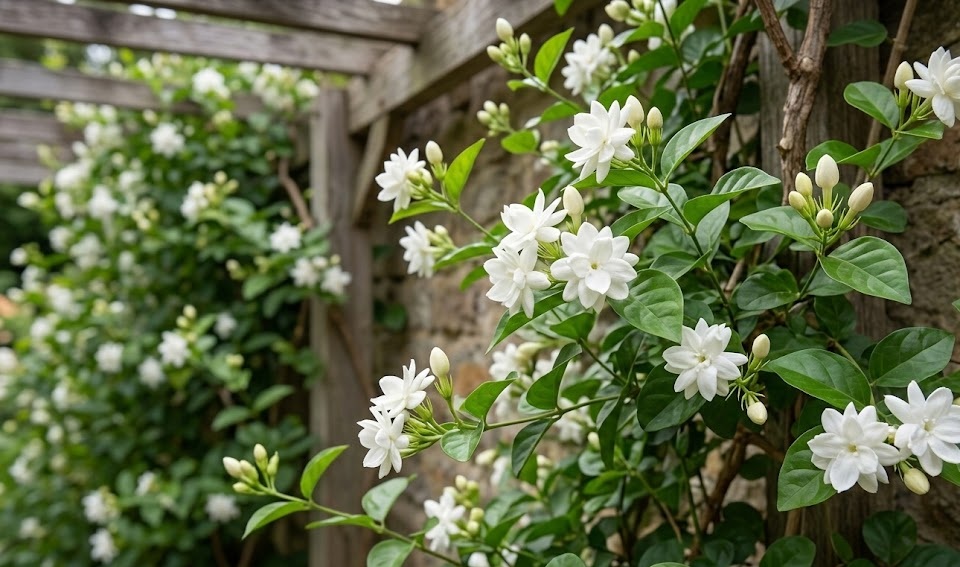

Arabian jasmine is a wonderful addition to any collection because of its intoxicating fragrance and beautiful white flowers. To ensure that your plant thrives, you need to provide a warm and consistent environment throughout the year. Most growers find that keeping temperatures above fifteen degrees Celsius helps prevent the plant from entering a dormant state prematurely. When you pay attention to these small environmental details, the reward is a continuous cycle of blossoms.
Creating the ideal environment
The placement of your plant plays a vital role in how it manages its energy levels during the day. You should look for a spot that receives plenty of natural light but is protected from harsh afternoon rays. High humidity is another factor that mimics the plant’s natural tropical habitat, making it feel right at home. If the air in your house is too dry, consider using a humidifier or a pebble tray filled with water.
Air circulation is often overlooked by many beginners, yet it is crucial for preventing stagnant conditions. Fresh air helps the plant breathe and reduces the likelihood of mold forming on the surface of the soil. You should avoid placing the jasmine near cold drafts or air conditioning vents that might cause sudden temperature drops. A stable environment is the foundation of a healthy and long-lived Arabian jasmine plant.
Observing the leaves of your plant can tell you a lot about whether the current environment is suitable. If you notice the foliage turning yellow or dropping suddenly, it might be a reaction to a recent change in location. Try to find a permanent spot where the plant can settle in without being moved frequently. Consistency in its surroundings will lead to a much stronger root system and more vibrant green leaves.
Understanding soil and potting needs
Choosing the right potting mix is the first step toward a successful growing experience. You should aim for a soil that is rich in organic matter but still offers excellent drainage properties. A mixture of peat moss, perlite, and aged compost usually provides the balance that this species requires. If the soil stays too wet for too long, the roots may begin to rot and die.
More articles on this topic
The choice of the container also influences how well the plant manages its moisture levels. You should select a pot that has several drainage holes at the bottom to allow excess water to escape. Terracotta pots are often preferred because they are porous and help the soil breathe more effectively than plastic ones. Make sure the size of the pot is appropriate for the current root ball of your plant.
Repotting is usually necessary every two years to provide the plant with fresh nutrients and more space. You should perform this task during the early spring when the plant is just beginning its active growth phase. Be careful not to damage the delicate roots when transferring the jasmine to its new home. Firm the soil gently around the base to ensure there are no large air pockets left behind.
Managing humidity and temperature
Since this plant originates from tropical regions, it has a high demand for moisture in the air. You can mist the leaves regularly with room temperature water to keep them hydrated and clean. This practice not only helps with humidity but also washes away dust that could block sunlight. During the winter months, you must be extra vigilant as indoor heating can significantly dry out the air.
Temperature stability is one of the most important aspects of long-term jasmine care. You should try to maintain a daytime temperature between twenty and twenty-five degrees Celsius for optimal growth. Nighttime temperatures can be slightly cooler, but they should never drop below the freezing point. If you keep the plant outdoors, make sure to bring it inside before the first frost arrives.
More articles on this topic
Sudden temperature fluctuations can cause the flower buds to drop before they have a chance to open. You should avoid placing the pot near doors that are opened frequently during the colder seasons. Radiant heat from radiators can also be damaging if the plant is positioned too close to them. Finding a middle ground with steady warmth will encourage the most prolific flowering performance.
Growth and climbing support
Arabian jasmine is a sprawling shrub that often behaves like a vine if given the right support. You should decide early on whether you want to keep it as a compact bush or a climber. Providing a small trellis or a bamboo stake can help guide the stems upward as they grow. This not only looks beautiful but also improves light penetration to the inner parts of the plant.
Training the stems requires a gentle hand and some soft garden ties to hold them in place. You should check these ties periodically to make sure they are not cutting into the growing bark. As the plant matures, the stems will become more woody and self-supporting to some extent. Regular guidance ensures that the plant develops a balanced and aesthetically pleasing shape over time.
If you prefer a bushier appearance, you can pinch off the tips of the new growth frequently. This technique encourages the plant to branch out from the lower nodes rather than growing straight up. You will notice that more branches lead to more terminal clusters of fragrant white flowers. It is a simple way to control the size of the plant if you have limited space.
Seasonal maintenance routines
As the seasons change, your approach to jasmine care should also adapt to the plant’s needs. During the summer, the plant will grow rapidly and require more attention regarding water and nutrients. You should monitor the soil daily to ensure it does not dry out completely in the heat. Providing some light shade during the hottest part of the day can prevent leaf scorch.
In the autumn, you will notice the growth rate beginning to slow down as the light levels decrease. This is the time to start reducing the frequency of watering and stop applying heavy fertilizers. You are preparing the plant for a period of rest, which is essential for its long-term health. Keep a close eye on the weather forecast to protect the plant from early cold snaps.
Winter care is mostly about preservation and ensuring the plant survives the low-light conditions. You should only water when the top inch of soil feels dry to the touch. Avoid any heavy pruning or repotting during this time, as the plant does not have the energy to recover. Light remains important, so place the plant in the brightest window available in your home.
Achieving maximum blooming results
The main reason most people grow this plant is for its incredibly fragrant and elegant flowers. You can encourage more blooms by ensuring the plant receives at least six hours of bright light. Phosphorous-rich fertilizers are also helpful when the plant is in its peak flowering season. Removing spent flowers immediately will signal the plant to produce new buds rather than seeds.
The fragrance is usually most intense during the evening and early morning hours of the day. You might want to place the plant in a room where you spend your evenings to enjoy the scent. Proper hydration is key, as thirsty plants will often abort their buds to save moisture. If you follow these steps, you can expect flowers throughout most of the warmer months.
Young plants may take a year or two before they begin to flower heavily and consistently. You should be patient and focus on building a strong root system and healthy foliage first. Once the plant reaches a certain maturity, it will reward your efforts with an abundance of white petals. A healthy plant is naturally more inclined to reproduce through its beautiful blossoms.
Troubleshooting common care issues
Yellowing leaves can be a sign of many different problems, ranging from overwatering to nutrient deficiencies. You should first check the moisture level of the soil to rule out any drainage issues. If the soil is fine, consider whether the plant has been receiving enough light lately. Sometimes, a simple move to a brighter location can solve the problem within a few weeks.
Sticky residue on the leaves often indicates the presence of small pests like aphids or scales. You should inspect the undersides of the leaves and the stem joints for any signs of movement. Cleaning the leaves with a mild soap solution can often remove these unwanted visitors effectively. Catching these issues early prevents them from spreading and weakening the entire jasmine plant.
If your jasmine refuses to bloom despite looking healthy, it might be getting too much nitrogen. High nitrogen levels promote lush green leaves but can inhibit the development of flower buds. You should switch to a more balanced fertilizer or one specifically designed for flowering plants. Also, make sure the plant is getting enough “rest” during the darker winter months.