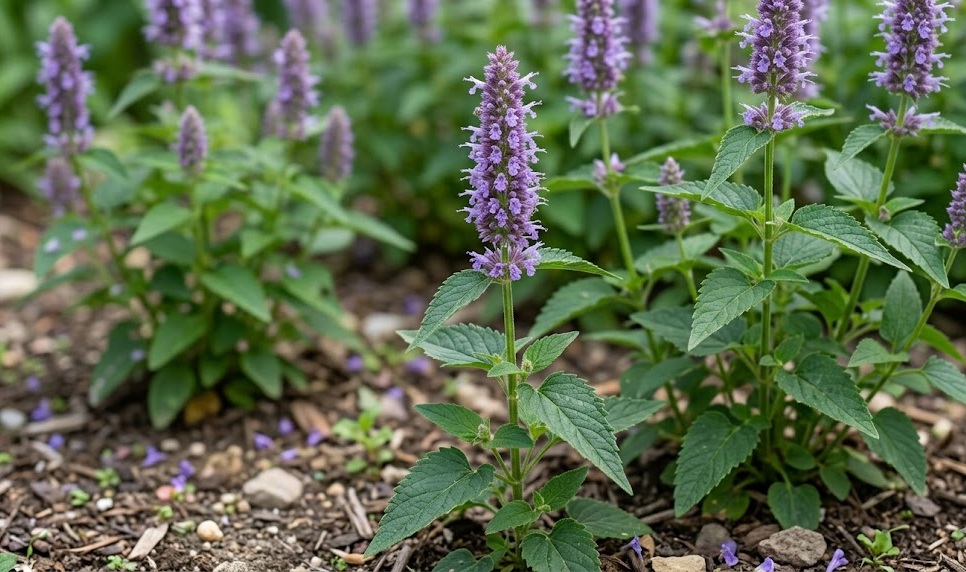

Maintaining anise hyssop requires a balanced approach that respects its natural heritage as a resilient prairie plant. This perennial is celebrated for its aromatic foliage and striking purple flower spikes that bloom from midsummer through early autumn. Gardeners must understand that while it is relatively low-maintenance, specific environmental conditions will significantly enhance its longevity and aesthetic appeal. Success begins with selecting the right location and observing how the plant responds to its immediate surroundings throughout the growing season.
Core environmental requirements for healthy growth
Providing the right foundation is the most critical aspect of caring for this versatile herb in any garden setting. The plant thrives best when its root system is allowed to develop in conditions that mimic its native North American habitats. You should prioritize areas where air circulation is consistent to prevent common fungal issues associated with stagnant moisture. Monitoring local weather patterns will help you determine if temporary interventions are necessary during extreme environmental shifts.
Soil composition plays a fundamental role in the overall vigor and flower production of the species. A well-draining substrate is essential because the roots are particularly sensitive to waterlogged conditions which often lead to decline. Incorporating organic matter can improve soil structure while providing a slow release of nutrients throughout the summer months. Avoid using heavy clay without amendments, as this can trap moisture and suffocate the delicate root hairs during the winter.
The placement of the plant within your garden layout affects its ability to compete for resources and sunlight. Giving each specimen enough room to expand ensures that the lower leaves receive enough light to remain healthy and green. Overcrowding often results in spindly stems that may require staking to stay upright during heavy rain or wind. Strategic spacing also facilitates easier access for maintenance tasks like deadheading or checking for potential pest infestations.
Observing the leaves can give you immediate clues about the plant’s current state of health and hydration. Healthy foliage should be vibrant and emit a strong licorice-like scent when brushed or crushed between your fingers. If the leaves begin to yellow prematurely, it might indicate a lack of nitrogen or a problem with the drainage system. Regular inspections allow you to address minor issues before they escalate into significant problems that threaten the plant’s survival.
More articles on this topic
Managing the growth cycle and flowering periods
The flowering season of anise hyssop is one of its most rewarding features for both gardeners and local pollinators. These purple spikes emerge in late June or July and continue to provide color for several months if cared for properly. You will notice that bees and butterflies are constantly drawn to the nectar-rich blossoms during the peak of summer. Encouraging a second flush of blooms is possible through careful observation and timely intervention as the first flowers fade.
Deadheading is a simple but effective technique used to extend the ornamental value of the plant significantly. By removing spent flower spikes before they turn to seed, you redirect the plant’s energy back into vegetative growth and new bud formation. This practice not only keeps the plant looking tidy but also prevents excessive self-seeding in areas where it is not desired. Most gardeners find that a light trim in mid-August provides enough stimulation for a late-season display.
Vegetative health is just as important as the floral display when considering the overall impact on your landscape. The square stems typical of the mint family provide a sturdy framework, but they can become woody over time if left unmanaged. Maintaining a dense habit is usually preferred over allowing the plant to become tall and leggy. Regular monitoring of the stem strength helps you decide when to provide supplemental support or perform thinning operations.
As the season transitions into autumn, the plant begins to shift its energy toward root development and seed production. If you wish to support local bird populations, leaving some seed heads intact can provide a valuable food source during the leaner months. The dried spikes also offer architectural interest in the winter garden when covered by a light dusting of frost. Deciding between a clean aesthetic and ecological benefits is a choice every gardener must make based on their priorities.
More articles on this topic
Soil health and nutritional management
Healthy soil is the primary driver behind the robust growth seen in the most successful anise hyssop specimens. While the plant is adapted to relatively poor soils, it responds exceptionally well to occasional applications of high-quality compost. Maintaining a neutral to slightly acidic pH level ensures that essential micronutrients remain available to the plant’s root system. Testing your soil every few years provides data-driven insights that take the guesswork out of your gardening routine.
Microbial activity in the soil creates a symbiotic environment that helps the plant resist various environmental stresses. Using organic mulches like shredded bark or leaf mold can protect the soil surface from erosion and temperature fluctuations. These materials gradually break down, contributing to a rich humus layer that benefits the entire garden ecosystem. Avoid placing mulch directly against the base of the stems to prevent crown rot issues.
The relationship between soil texture and root respiration cannot be overstated for this particular species. Anise hyssop requires a porous medium where oxygen can easily reach the roots even after heavy precipitation events. If your garden has heavy soil, consider planting in raised beds or incorporating coarse sand to improve the internal drainage. This proactive step is often the difference between a plant that thrives and one that struggles to survive.
Nutrient availability should be consistent rather than explosive to prevent weak, sappy growth that attracts pests. Over-fertilizing with high-nitrogen products can lead to an abundance of foliage at the expense of the essential oils that give the plant its scent. A balanced approach ensures that the stems remain strong enough to support the heavy flower spikes produced in midsummer. Observing the plant’s growth rate will help you fine-tune your application schedule for the following year.
Integrating pollinators and garden biodiversity
Anise hyssop is widely regarded as one of the premier plants for attracting a wide diversity of beneficial insects. Honeybees, bumblebees, and various species of butterflies are frequent visitors to the nectar-rich flower spikes. By including this plant in your garden, you are contributing to a larger ecological network that supports local wildlife. Watching the activity around the flowers provides a fascinating glimpse into the complex interactions of a healthy garden.
The long blooming period ensures that pollinators have a reliable food source during the hottest parts of the summer when other flowers might fade. You can enhance this effect by planting in large drifts rather than isolated individual specimens. Large groups of flowers are more visible to flying insects and provide a more efficient foraging ground for them. This colonial planting style also creates a more dramatic visual impact in the landscape design.
Beneficial predatory insects are also attracted to the garden by the presence of aromatic herbs like anise hyssop. Ladybugs and lacewings may find shelter within the dense foliage while hunting for common garden pests like aphids. This natural form of pest control reduces the need for chemical interventions and promotes a more sustainable gardening practice. Creating a habitat that supports these “garden guardians” is a key goal of modern ecological horticulture.
Biodiversity at the soil level is equally important for the long-term health of your anise hyssop colony. Earthworms and other soil organisms flourish in the cool, moist environment created beneath a healthy canopy of leaves. Their tunneling activities improve soil aeration and nutrient cycling, which directly benefits the plant’s root development. A thriving underground community is the foundation upon which the visible beauty of the garden is built.
Optimizing the aromatic properties of the foliage
The distinct scent of anise hyssop is one of its most cherished qualities, reminiscent of licorice and fresh mint. These aromatic compounds are produced in specialized glands on the surface of the leaves and flowers. Sunlight plays a crucial role in the synthesis of these oils, so plants in brighter locations tend to be more fragrant. Understanding the factors that influence oil production allows you to maximize the sensory experience of your garden.
Harvesting the leaves for culinary or medicinal use should be done with care to preserve their delicate flavor profiles. The best time to collect foliage is in the morning after the dew has evaporated but before the sun becomes too intense. Young, tender leaves near the top of the plant generally have the most refined taste and aroma. You can use these fresh or dry them slowly in a cool, dark place for long-term storage.
Temperature fluctuations can significantly impact how the scent is released into the surrounding air during the day. On warm, still afternoons, the fragrance often lingers around the plants, creating a pleasant atmosphere for outdoor relaxation. Strategic placement near walkways or seating areas allows you to enjoy the aroma whenever you brush against the foliage. This interactive element makes the plant a favorite for sensory gardens designed for children or the elderly.
The chemical composition of the essential oils also serves as a natural defense mechanism against certain herbivores. Deer and rabbits often avoid anise hyssop because of its strong scent and slightly fuzzy leaf texture. This makes it an excellent choice for gardens in areas where wildlife browsing is a common frustration for homeowners. Utilizing the plant’s natural characteristics is an intelligent way to design a beautiful and resilient landscape.
Structural integrity and aesthetic positioning
As the plant matures, it develops a vertical habit that can reach heights of three to four feet depending on the variety. This upright structure makes it an ideal candidate for the middle or back of a perennial border. You can use it to provide a solid background for shorter, more colorful annuals or delicate ornamental grasses. Its architectural form remains attractive even after the flowers have finished blooming for the season.
Compacted soil or excessive shade can lead to weak stems that flop over during the peak of summer. If you notice your plants leaning, it may be necessary to provide discreet support using bamboo stakes or circular cages. Early intervention is key, as it is much easier to guide a growing plant than to fix one that has already collapsed. Proper care during the early growth stages ensures a more professional and tidy appearance later on.
The silver-green hue of the foliage provides a wonderful contrast to plants with darker or more vibrant leaves. Pairing anise hyssop with silver-leaved plants or those with deep burgundy foliage creates a sophisticated color palette. Consider the texture of neighboring plants to create a visually interesting tapestry of shapes and sizes. The fine-textured flower spikes look particularly beautiful when viewed against a backdrop of large-leaved shrubs.
Maintaining a clean base around the plant helps to highlight its elegant form and prevents the accumulation of debris. Removing lower leaves that touch the ground can reduce the risk of soil-borne diseases splashing onto the plant. This practice also improves airflow around the crown, which is vital for preventing rot during humid summer nights. A well-groomed plant is not only more attractive but also inherently more resistant to environmental stressors.
Long-term garden planning and plant longevity
Anise hyssop is generally a short-lived perennial, often lasting only three to five years in many garden environments. However, it frequently maintains its presence in the garden through self-seeding, which can be managed by the observant gardener. Understanding this natural lifecycle allows you to plan for replacements or allow new seedlings to fill in any gaps. This dynamic nature keeps the garden evolving and prevents it from becoming static or overgrown.
Dividing older clumps every few years can rejuvenate the parent plant and provide you with new specimens for other areas. This task is best performed in early spring just as the new growth begins to emerge from the soil. Careful handling of the root system during division ensures a quick recovery and minimal transplant shock. Sharing these divisions with fellow gardeners is a traditional way to spread the joy of this wonderful species.
Keep a garden journal to record the performance of your anise hyssop in different weather conditions and soil types. This historical data becomes invaluable when making decisions about future plantings or landscape renovations. You might find that certain cultivars perform better in your specific microclimate than others. Continuous learning and observation are what transform a casual hobbyist into a true horticultural expert.
The ultimate goal of caring for anise hyssop is to create a sustainable and beautiful environment that brings joy to the observer. By following professional care standards, you ensure that your plants remain healthy and productive for as long as possible. Each season brings new opportunities to refine your techniques and deepen your connection with the natural world. Gardening is a journey of discovery, and this aromatic perennial is a perfect companion for that adventure.