
Understanding the foundational needs of the plant
The alpine heath is a resilient evergreen shrub that brings vibrant color to the garden when most other plants are dormant. Its ability to withstand cold temperatures makes it a favorite for rock gardens and border fronts throughout the temperate regions. Understanding the specific needs of this plant is essential for any gardener looking to maintain a healthy and visually appealing landscape. This guide provides a comprehensive overview of the daily and seasonal care required for long-term success with this species.
Creating a stable environment starts with recognizing that this plant thrives in conditions that mimic its native mountain habitats. You should aim for a location that offers cool air circulation and consistent soil conditions to prevent stress. While it is a tough plant, neglecting its basic environmental preferences can lead to sparse blooming or weakened foliage. Careful observation of the plant’s reaction to your local microclimate will help you adjust your care routine effectively.
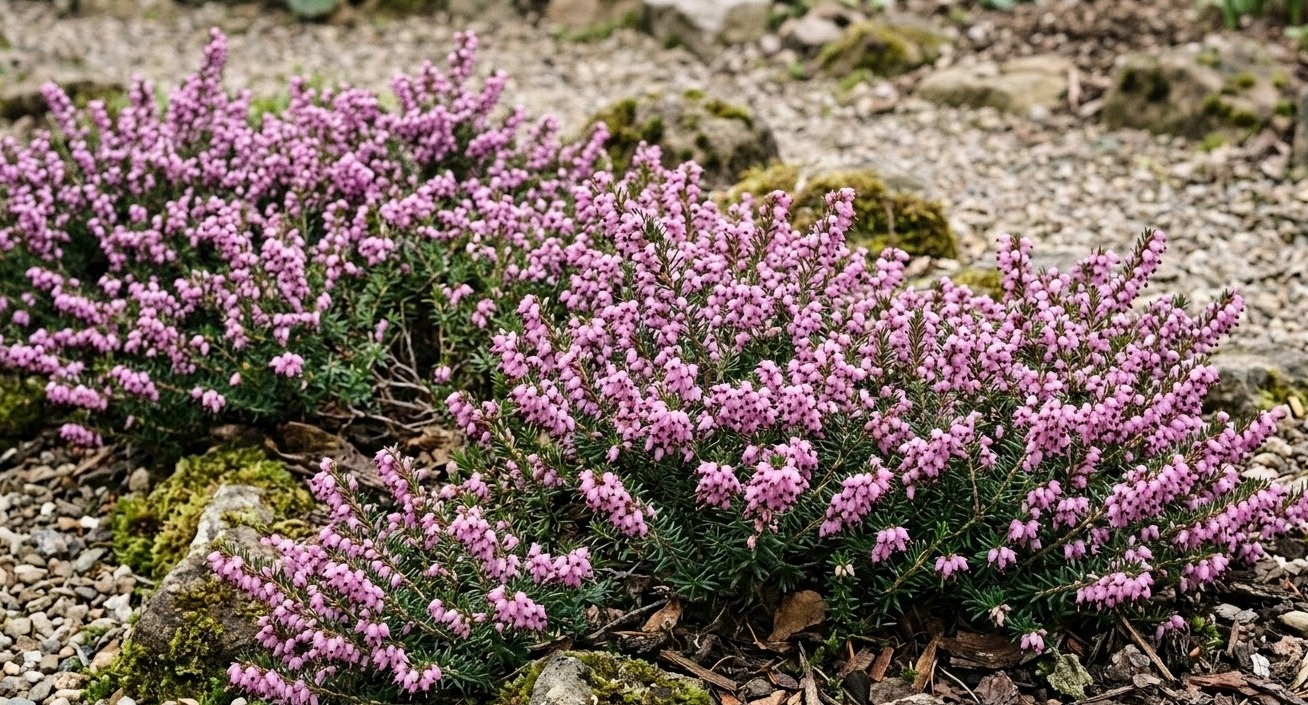
The growth habit of this shrub is naturally compact and spreading, which makes it an excellent choice for ground cover. It typically forms dense mats of needle-like foliage that stay green throughout the entire year, even under snow. To maintain this density, you must ensure that the surrounding area is kept free of aggressive weeds that might compete for space. Providing a clean and open area allows the plant to expand its root system without unnecessary competition.
Seasonal transitions require specific attention to ensure the plant remains vigorous during its peak blooming period. Since this species often flowers in late winter or early spring, you need to prepare the site well in advance. Monitoring the weather patterns in your region will allow you to anticipate when the plant might need a bit of extra help. A proactive approach to care is always better than reacting to visible signs of decline or health issues.
Soil quality and composition requirements
The selection of the right growing medium is perhaps the most critical factor in ensuring the health of your heath. Unlike many other members of its family, this particular species is remarkably tolerant of slightly more diverse soil types. However, it still performs best in soil that is rich in organic matter and maintains a slightly acidic to neutral pH level. You should avoid heavy clay soils that retain too much moisture around the delicate root system.
More articles on this topic
Aeration within the soil structure is vital because the roots require oxygen to function properly and absorb nutrients. If your garden soil is naturally heavy or prone to compaction, you should incorporate sand or grit to improve drainage. This modification creates a more porous environment that allows excess water to move away from the crown of the plant. Healthy roots are the foundation of a healthy plant, and soil structure is the key to root health.
Organic matter serves as both a structural component and a slow-release source of essential nutrients for the plant. You can improve the quality of your soil by adding well-rotted leaf mold or composted pine bark before planting. These materials help to maintain the slight acidity that the plant prefers while also improving the soil’s moisture-holding capacity. Consistency in soil quality will lead to more uniform growth and a more impressive display of flowers.
Regularly checking the soil condition around established plants will help you determine if any amendments are necessary. Over time, the organic matter can break down, leading to soil settling or changes in the drainage patterns of the bed. You might find it beneficial to top-dress the area with a fresh layer of organic mulch every few years. This practice not only replenishes the soil but also helps to suppress weeds and regulate soil temperature.
Establishing a routine for seasonal maintenance
Consistency is the hallmark of a successful gardening strategy when dealing with mountain-origin plants like this one. You should establish a routine that includes regular inspections of the foliage and the surrounding soil surface. By checking your plants once a week, you can catch any potential issues before they become significant problems. This level of attention ensures that the plant remains in peak condition throughout the changing seasons.
More articles on this topic
During the active growth phase, you should focus on keeping the area tidy and ensuring the plant has enough space to breathe. Removing fallen leaves from taller trees that might cover the heath is an important task in the autumn months. If left on top of the plant, these leaves can trap moisture and cause the foliage to rot or develop fungal issues. A clean plant is much more likely to remain healthy and produce a full flush of flowers.
As the blooming season approaches, you should pay close attention to the development of the flower buds. This period is when the plant is most visually rewarding, but it also requires the most energy from the shrub. Ensuring that the plant is not under drought stress during bud formation will result in a much longer and more colorful display. You will notice that a well-cared-for plant produces flowers that are more vibrant and numerous.
After the flowering period has ended, the focus of your care should shift toward supporting new vegetative growth. This is the time when the plant prepares itself for the next season by extending its stems and thickening its foliage. Providing a stable environment during this transition helps the plant to build up the reserves it needs for the following year. Your efforts during the summer months will directly impact the quality of the winter bloom.
Managing the growth environment
The physical space around your plants plays a significant role in their overall health and aesthetic appeal. You should ensure that there is adequate spacing between individual shrubs to allow for proper air circulation. Stagnant air can lead to increased humidity around the foliage, which often invites unwanted diseases or pests. Proper spacing also allows each plant to develop its natural shape without being crowded by its neighbors.
In larger garden designs, these plants are often used in mass plantings to create a carpet-like effect on the ground. When using them this way, you must be diligent about monitoring the health of the entire group. If one plant becomes diseased, the close proximity can allow the issue to spread rapidly through the whole bed. Maintaining a healthy environment for the entire group requires a holistic view of the garden space.
The use of companion plants can enhance the growing environment and provide aesthetic interest throughout the year. Choosing plants that share similar cultural requirements will make your overall maintenance routine much easier to manage. Dwarf conifers and other acid-loving shrubs are excellent choices for creating a cohesive and low-maintenance garden scene. These combinations provide a variety of textures and colors that complement the unique look of the heath.
You should also consider the impact of nearby structures or large trees on the microclimate of your planting site. Walls and fences can reflect heat or block necessary wind, while large trees can compete for moisture and light. Adjusting your care routine based on these external factors will help your plants thrive in their specific location. Every garden is unique, and successful care depends on your ability to adapt to your specific conditions.
Monitoring plant health and vitality
A keen eye for detail is your best tool for ensuring that your alpine heath remains healthy and vibrant. You should look for changes in the color of the foliage, as yellowing or browning can be an early warning sign. Healthy leaves should be a deep green or a specific bronze shade depending on the particular variety you are growing. Any sudden change in appearance should prompt a closer investigation of the roots and the surrounding soil.
Growth rate can also serve as an indicator of the overall health and vigor of the individual plant. While these shrubs are not exceptionally fast growers, they should show steady progress during the spring and summer months. If a plant seems stunted or fails to produce new shoots, it may be struggling with soil compaction or a lack of nutrients. Monitoring the growth patterns over several seasons will give you a baseline for what is normal for your garden.
The quality of the bloom is another excellent metric for assessing how well the plant is responding to your care. A healthy heath will be completely covered in small, bell-shaped flowers that last for many weeks or even months. If the flowering is sparse or the blooms fade quickly, you may need to evaluate your watering or fertilization practices. The floral display is the ultimate reward for your hard work and attention to detail.
Regularly checking the underside of the foliage and the base of the stems can reveal hidden issues. Pests or early signs of fungal growth often start in these protected areas where they are not immediately visible. Catching these problems early allows for much simpler and more effective interventions that do not harm the plant. Developing a habit of thorough inspection will save you time and effort in the long run.
Long-term strategies for garden success
Planning for the long term will ensure that your garden remains beautiful for many years to come. You should think about how your plants will look as they mature and fill the space you have allocated for them. While they are small when first planted, they will eventually spread to create a dense and beautiful ground cover. Anticipating this growth will help you avoid the need to move or thin out the plants later on.
Soil health should be a continuous focus rather than a one-time concern during the planting process. Periodically testing the pH of your soil will help you maintain the ideal conditions for your acid-loving plants. If the soil becomes too alkaline over time, you can apply specialized amendments to bring the levels back into balance. Keeping the soil in the right range is essential for the plant’s ability to take up nutrients.
You might also consider diversifying the varieties of heath you grow to extend the blooming season even further. Different cultivars have slightly different flowering times, which can result in color in the garden from early winter through late spring. This approach creates a more dynamic and interesting landscape that changes throughout the colder months. A diverse planting is also generally more resilient to localized environmental stresses.
Sharing your experiences and observations with other gardeners can provide valuable insights into the best care practices. Every region has its own unique challenges, and learning from others can help you refine your own techniques. Whether you are a professional or a dedicated amateur, the goal is always to create a thriving and beautiful garden. Your commitment to expert care will be reflected in the health and beauty of your alpine heath.
Concluding thoughts on expert care
Mastering the care of this species requires a combination of technical knowledge and practical observation in the field. You should always prioritize the fundamental needs of the plant while remaining flexible enough to adapt to changing conditions. The rewards of a well-maintained heath garden are well worth the effort required to get the details right. These plants offer a unique beauty that is unmatched by almost any other winter-blooming shrub.
As you become more familiar with the specific needs of your plants, your confidence in managing them will grow. You will start to anticipate the needs of the shrubs based on the weather and the time of year. This proactive approach leads to a more relaxed gardening experience and a more successful landscape design. Expert care is not about doing everything at once, but about doing the right things at the right time.
Remember that a garden is a living system that is constantly evolving and responding to its environment. Your role as a gardener is to facilitate this growth and provide the support the plants need to reach their full potential. By following the principles outlined in this guide, you can ensure that your alpine heath remains a highlight of your garden. Continuous learning and observation will always be your most valuable assets in the pursuit of horticultural excellence.
Final success comes down to the daily and seasonal tasks that keep the plants healthy and strong. From monitoring soil moisture to ensuring proper air circulation, every small action contributes to the overall result. Take pride in the health of your plants and enjoy the vibrant colors they bring to the darkest months of the year. With the right care, your alpine heath will continue to thrive and beautify your landscape for many years.