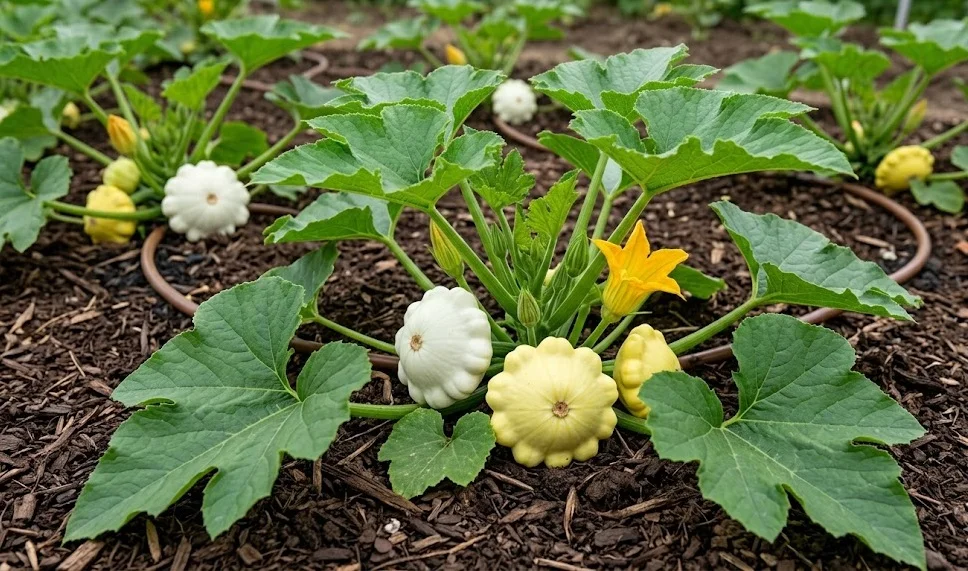

The practice of pruning pattypan squash is a professional technique used to improve the overall health and productivity of the plant. You should focus on removing any damaged, diseased, or overcrowded leaves to allow more light and air to reach the center of the vine. This process not only reduces the risk of fungal infections but also encourages the plant to put more energy into fruit production. A well-pruned plant is easier to manage and much more efficient at processing the available nutrients and water.
When you begin the pruning process, you should always use a pair of clean, sharp garden shears to make precise cuts. You should focus on the older leaves near the base of the plant that may be touching the soil or showing signs of yellowing. Removing these leaves helps to keep the area around the main stem dry and well-ventilated, which is a key factor in disease prevention. Professional gardeners often prune their squash every couple of weeks to maintain an open and healthy structure.
It is important not to over-prune, as the plant needs its large leaves to capture the solar energy required for growth. You should never remove more than about twenty to thirty percent of the total foliage at any one time to avoid shocking the plant. Focus on the leaves that are blocking light to developing fruits or those that are clearly struggling with pests or weather damage. Maintaining a balance between a clean structure and a functional canopy is the secret to professional-level pruning.
The best time of day to prune your pattypan squash is in the late morning once the dew has completely evaporated from the leaves. Pruning when the plants are wet can inadvertently spread fungal spores from one part of the plant to another. By working during the driest part of the day, you allow the cuts to heal quickly and minimize the risk of infection. Professional growers always prioritize plant health and timing when performing any type of maintenance in the garden.
Improving airflow and disease resistance
One of the primary goals of pruning is to create an environment that is less hospitable to common diseases like powdery mildew and rot. You should look for areas where the leaves are overlapping or creating a dense, humid microclimate that traps moisture against the stems. By selectively removing a few leaves, you can significantly increase the airflow through the entire planting area. This simple professional intervention can often be more effective than chemical treatments for maintaining a healthy garden.
More articles on this topic
Improved airflow also makes it much easier for pollinators like bees to find and access the flowers hidden beneath the foliage. You might notice that a heavily leafed plant has many unpollinated flowers simply because the insects couldn’t see them. Pruning away the leaves that cover the blossoms ensures that your pollinators can do their job efficiently and effectively. This direct link between pruning and fruit set is why professional growers take this task so seriously.
The removal of diseased foliage should be done with extreme care to prevent the spread of the pathogen to healthy parts of the plant. You should clean your pruning tools with a solution of rubbing alcohol or a mild bleach between each cut to ensure they are sterile. All diseased material should be removed from the garden immediately and disposed of in the trash rather than the compost pile. This level of hygiene is a professional standard that protects the long-term health of your entire agricultural site.
As the plant continues to grow throughout the summer, the pruning needs will shift from maintenance to revitalizing the vines. You might find that the plant becomes less productive in the late season if it is carrying too much old and unproductive foliage. Thinning out the vines in August can give the plant a second wind and encourage it to produce a final flush of high-quality squash. Observing how your plants respond to pruning will help you refine your technique for future seasons.
Professional tools and maintenance techniques
Investing in high-quality pruning tools is a professional decision that will save you time and protect the health of your plants. You should look for bypass pruners, which use a scissor-like action to make clean, smooth cuts that heal quickly. Avoid anvil pruners, which tend to crush the stems and create ragged edges that are more prone to infection and disease. Keeping your blades sharp is also essential, as a dull tool requires more force and can cause unnecessary damage to the plant.
More articles on this topic
Regular maintenance of your tools includes cleaning off any sap or debris after each use to prevent rust and the buildup of pathogens. You should also oil the moving parts of your shears periodically to ensure they continue to operate smoothly and comfortably. A professional gardener takes pride in their equipment and understands that well-cared-for tools are the key to high-quality work. Having a dedicated kit for pruning will make the task much more organized and efficient.
When cutting back the vines or removing large leaves, you should always cut back to the main stem rather than leaving a long stub. These stubs can often rot and provide an entry point for insects or diseases that could harm the entire plant. By making clean cuts flush with the stem, you encourage the plant to seal the wound quickly and move on with its growth. This professional attention to detail is what separates a successful harvest from one that is plagued by issues.
Finally, you should always monitor your plants for a few days after a major pruning session to see how they respond to the changes. You might notice an increase in the growth of new leaves or a faster development of the existing fruits as the energy is redistributed. If the plant shows any signs of stress, such as sudden wilting, you may have removed too much foliage at once. Learning from these real-world responses is the best way to become a professional at pruning and maintaining your pattypan squash.