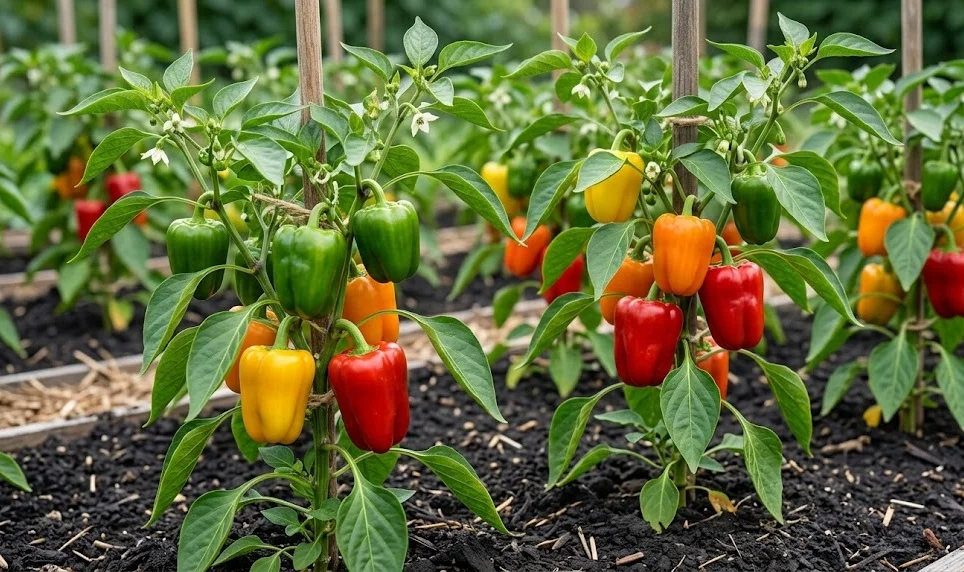

Pruning is a powerful horticultural tool that allows you to direct the growth of your pepper plants for maximum health and productivity. You must understand that while peppers can grow well on their own, strategic intervention can significantly improve airflow and fruit quality. Many growers are hesitant to cut their plants, but a well-pruned pepper is often more resilient and easier to manage throughout the season. Learning where and when to make your cuts is a skill that will elevate your gardening results to a professional level.
The primary goal of pruning is to create a strong structural framework that can support the weight of a heavy pepper crop. You should focus on removing weak, spindly branches that are unlikely to produce high-quality fruit or that might break under pressure. By thinning out the plant, you also allow more sunlight to reach the center of the bush where it is needed for ripening. This simple practice results in more consistent fruit size and a more even harvest across the entire plant.
Improving air circulation within the canopy is another critical benefit of a regular pruning routine. You should remove internal leaves and branches that create “dead air” spaces where humidity can build up and promote disease. Better airflow helps the foliage dry out more quickly after rain or dew, which is your best natural defense against bacterial and fungal infections. You will find that plants with a more open structure are much less prone to the common diseases that plague dense, neglected bushes.
Using the right tools and techniques for pruning ensures that you do not accidentally introduce pathogens into your healthy pepper plants. You should always use a sharp, clean pair of pruning shears or a knife to make clean cuts that will heal quickly. Avoid tearing the branches by hand, as jagged wounds are much more likely to become infected or attract unwanted pests. Disinfecting your tools between plants is a professional standard that prevents the cross-contamination of your entire pepper patch.
Early stage pruning
Pruning the first flowers off a young pepper plant is a difficult but highly beneficial practice for long-term success. You should remove any blossoms that appear before the plant has reached a substantial size and established a strong root system. This forces the plant to direct its energy into vegetative growth and structural development rather than premature fruit production. While it delays your first harvest by a week or two, the total yield for the season will be significantly higher as a result.
More articles on this topic
The “topping” technique involves removing the growing tip of the main stem once the plant has reached a certain height, usually around fifteen to twenty centimeters. You should do this to encourage the plant to branch out and create a bushier, more compact shape. This multiple-leader system provides more sites for flower production and results in a sturdier plant that is less likely to fall over in the wind. Topping is particularly effective for sweet peppers and many of the smaller hot varieties.
Cleaning up the bottom few inches of the main stem is an essential task during the early part of the growing season. You should remove any leaves or small side shoots that are touching the soil or are very close to the ground. This creates a “clearance zone” that prevents soil-borne diseases from splashing onto the foliage during heavy irrigation or rain. Keeping the base of the plant clean also makes it much easier to apply mulch and monitor the soil moisture levels.
Identifying and removing “suckers” that grow in the crotches of the main branches can help maintain an organized plant structure. You should selectively thin these extra shoots to prevent the plant from becoming too dense and unmanageable. This allows the pepper plant to focus its resources on the primary branches where the largest and best fruits will eventually develop. Consistent attention to these details during the early stages of growth sets the foundation for a professional-looking and highly productive garden.
Airflow maintenance
Mid-season pruning focuses on maintaining the healthy balance between leaf mass and fruit production as the weather warms up. You should regularly inspect the center of the plant and remove any new growth that is blocking light or air from reaching the interior. This “thinning out” process is especially important for large bell pepper varieties that can develop very dense and heavy canopies. A plant that you can see through slightly is usually one that is getting enough air and light to stay healthy.
More articles on this topic
Removing damaged or yellowing leaves is a simple but effective way to keep your pepper plants looking their best and performing well. You should proactively take off any foliage that shows signs of disease or pest damage before the problem has a chance to spread. These weakened leaves are often less efficient at photosynthesis and can become a drain on the plant’s overall energy reserves. Keeping the plant clean and free of debris reduces the overall stress on its immune system.
Managing the “load” of the plant involves thinning the fruits themselves if a branch is becoming dangerously heavy. You should remove small or misshapen peppers to allow the plant to put more energy into the high-quality fruits that remain. This prevents branches from snapping and ensures that the final harvest consists of large, well-developed peppers. While it can be hard to throw away potential food, the improved quality of the remaining crop is well worth the sacrifice.
Monitoring the height of your plants is also part of an effective maintenance routine, especially if you are growing in a greenhouse or limited space. You can tip back the longest branches to keep the plant within its allocated space and encourage more lateral growth. This practice also helps keep the center of gravity low, which makes the plant more stable and less dependent on heavy staking. Responsive pruning throughout the summer ensures that your pepper patch remains productive and easy to navigate.
Rejuvenation methods
Late-season pruning is a specialized technique used to help the pepper plant finish its final crop before the cold weather arrives. You should remove all new flowers and very small peppers that have no chance of reaching maturity before the first frost. This “topping off” at the end of the season directs the remaining energy into ripening the existing large fruits. This strategy ensures that you get the highest possible quality from your final harvest of the year.
If a pepper plant has become overgrown or unproductive mid-season, you can sometimes perform a “rejuvenation cut” to spark new growth. You should cut back the older, less productive branches by about one-third to encourage the development of fresh, vigorous wood. This is often successful with hot pepper varieties that have a naturally long growing season and can recover quickly from a heavy pruning. Providing a little extra fertilizer after such a cut helps the plant rebuild its canopy with renewed energy.
Cutting back for overwintering is perhaps the most drastic form of pruning that a pepper grower will ever perform. You must remove almost all of the foliage, leaving only a skeletal structure of the main stems and branches. This extreme reduction is necessary for the plant to survive in a low-light indoor environment where it cannot support a full canopy. Seeing your large, beautiful plant reduced to a few bare sticks can be shocking, but it is the key to perennial pepper success.
Understanding the unique growth habits of different pepper species will help you tailor your pruning methods for the best results. For example, some habanero varieties naturally grow in a very dense, dome-like shape and require more internal thinning than tall, upright cayenne plants. You should always observe how each specific variety responds to your cuts and adjust your technique in future years. Experience and observation are the best teachers when it comes to the art of pruning your pepper crop.