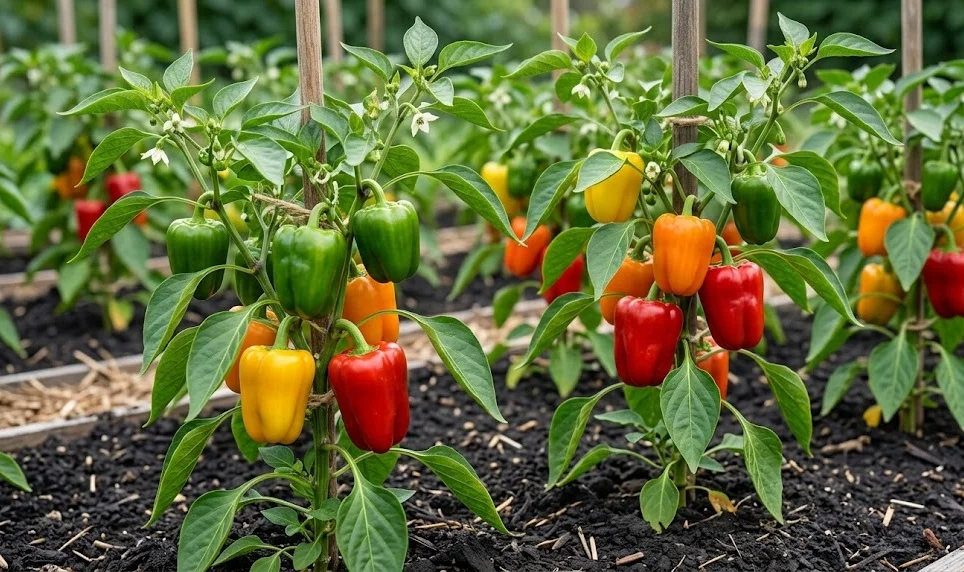

Overwintering pepper plants is a fascinating practice that allows you to treat these typically annual crops as the perennials they truly are in their native habitats. You must understand that by keeping the same plant for multiple seasons, you can enjoy a much larger and earlier harvest the following year. This process requires a dedicated indoor space and a willingness to monitor the plants closely during their dormant period. Successfully bringing a pepper plant through the winter is a rewarding challenge for any advanced gardener.
Selecting the right candidates for overwintering is the first step toward a successful transition to the indoors. You should choose your healthiest and most productive plants that have shown strong resistance to pests and diseases throughout the summer. Older, woodier plants often handle the stresses of overwintering better than young, tender seedlings that were started late in the season. Identifying your favorite varieties now ensures you can preserve their specific genetics for several years to come.
The timing of the move is critical to prevent the plants from being damaged by the first autumn frost. You should plan to bring your peppers inside when the night temperatures begin to drop consistently below ten degrees Celsius. Moving the plants while they are still vigorous and healthy gives them a much better chance of surviving the change in environment. Waiting too long can result in cold stress that weakens the plant’s immune system and makes it more vulnerable to indoor pests.
Providing a clean start is essential to avoid bringing unwanted garden pests into your home for the winter months. You should thoroughly inspect the foliage and the soil for any signs of aphids, mites, or whiteflies before bringing the plants inside. Giving the plants a gentle wash with a mild soap solution can help remove any hidden insects or eggs that might be lingering on the leaves. Repotting the peppers into fresh, sterile potting mix is also a highly recommended practice for long-term indoor health.
Pruning for dormancy
Pruning is a vital part of the overwintering process that helps the plant conserve energy and adapt to lower light levels. You should cut the main branches back significantly, leaving only a few inches of growth above the main structural junctions. This drastic reduction in foliage decreases the plant’s need for water and nutrients while it is in its semi-dormant state. Do not be afraid of the “bare sticks” look, as the plant will quickly regrow new leaves once the spring warmth returns.
More articles on this topic
Removing all remaining fruits and flowers is another necessary step when preparing your peppers for their winter rest. You want the plant to focus all its internal resources on maintaining its root system and main stem rather than trying to produce seeds. Any green peppers left on the branches should be harvested and used in the kitchen, even if they have not reached full maturity. This clean sweep also reduces the hiding places for any lingering pests that might try to survive the winter.
Thinning out the root system can be helpful if you need to move a large garden plant into a more manageable indoor container. You can carefully trim the outer roots with a sharp pair of shears to fit the root ball into a smaller pot. This practice, combined with the heavy top pruning, creates a balanced system that the plant can sustain with limited resources. Use a well-draining potting mix to fill in around the roots and ensure there are no large air pockets left in the container.
Monitoring the plant’s response to pruning over the first few weeks will tell you if the transition is going smoothly. You should watch for the remaining nodes to stay firm and green, which indicates that the plant is still alive and healthy. Some varieties may drop their remaining leaves entirely, which is a normal part of entering deep dormancy in a cool environment. As long as the main stem remains flexible and does not become shriveled, your pepper plant is likely doing just fine.
Winter care routines
Lighting is one of the biggest challenges when keeping pepper plants indoors during the short, dark days of winter. You should place your pots in the brightest south-facing window available or provide supplemental light with a small grow lamp. While the plants do not need enough energy to grow vigorously, they still require a baseline of light to maintain their basic biological functions. Keeping the lights on for about eight to ten hours a day is usually sufficient for overwintering purposes.
More articles on this topic
Watering requirements change dramatically when a plant is dormant and kept in a cooler indoor environment. You should allow the soil to dry out almost completely between waterings to prevent the roots from rotting in the damp, cold potting mix. Overwatering is the most common cause of failure during the overwintering process, so it is better to err on the side of dryness. Checking the weight of the pot or using a moisture meter can help you decide when it is truly time to add a little water.
Temperature management is key to keeping the plant in a stable state of dormancy throughout the winter months. You should aim for a cool but frost-free location, such as a basement, a heated garage, or a spare room away from direct heat vents. Temperatures between twelve and eighteen degrees Celsius are ideal for slowing down the plant’s metabolism without causing cold damage. Avoid placing the pots directly on cold floors, as this can chill the roots and lead to a slow decline in health.
Fertilization should be stopped entirely while the pepper plant is in its winter dormancy phase. You do not want to encourage new, weak growth that will be highly attractive to indoor pests like aphids or fungus gnats. The plant has enough stored energy in its thick stems and roots to survive the winter without any additional feeding. Wait until you see the first signs of active growth in the spring before you resume a regular fertilization schedule.
Spring reactivation
The awakening of your overwintered peppers is an exciting sign that the new gardening season is just around the corner. You should look for small green buds appearing along the stems as the days begin to lengthen in late February or March. Once you see this new growth, it is time to move the plants to a warmer and even brighter location to encourage more activity. You can also begin to increase the frequency of your watering as the plant’s demand for hydration rises.
Resuming a light fertilization routine provides the necessary nutrients for the plant to build its new canopy of leaves. You should use a balanced liquid fertilizer at half strength to gently wake up the root system and support the initial growth spurt. This extra boost of nitrogen and minerals helps the plant recover quickly from its long winter rest and prepares it for the outdoors. You will be amazed at how quickly an overwintered plant can grow once it has the right conditions.
Gradual re-acclimation to the outside world is just as important in the spring as it was for your original seedlings. You must repeat the hardening-off process by exposing the plants to increasing amounts of direct sunlight and wind over a period of two weeks. Overwintered plants often have very tender new growth that can easily be scorched by the intense spring sun if you are not careful. Patience during this transition ensures that your head start does not go to waste due to environmental shock.
The reward for your effort is a mature pepper plant that is ready to flower and set fruit weeks before any spring-sown seedlings. These established plants have a much larger root system and can handle the stresses of the early summer much better than younger competitors. You will often find that overwintered peppers produce a much higher total yield over the course of their second and third years. Mastering this technique allows you to become a true expert in the long-term management of this versatile crop.