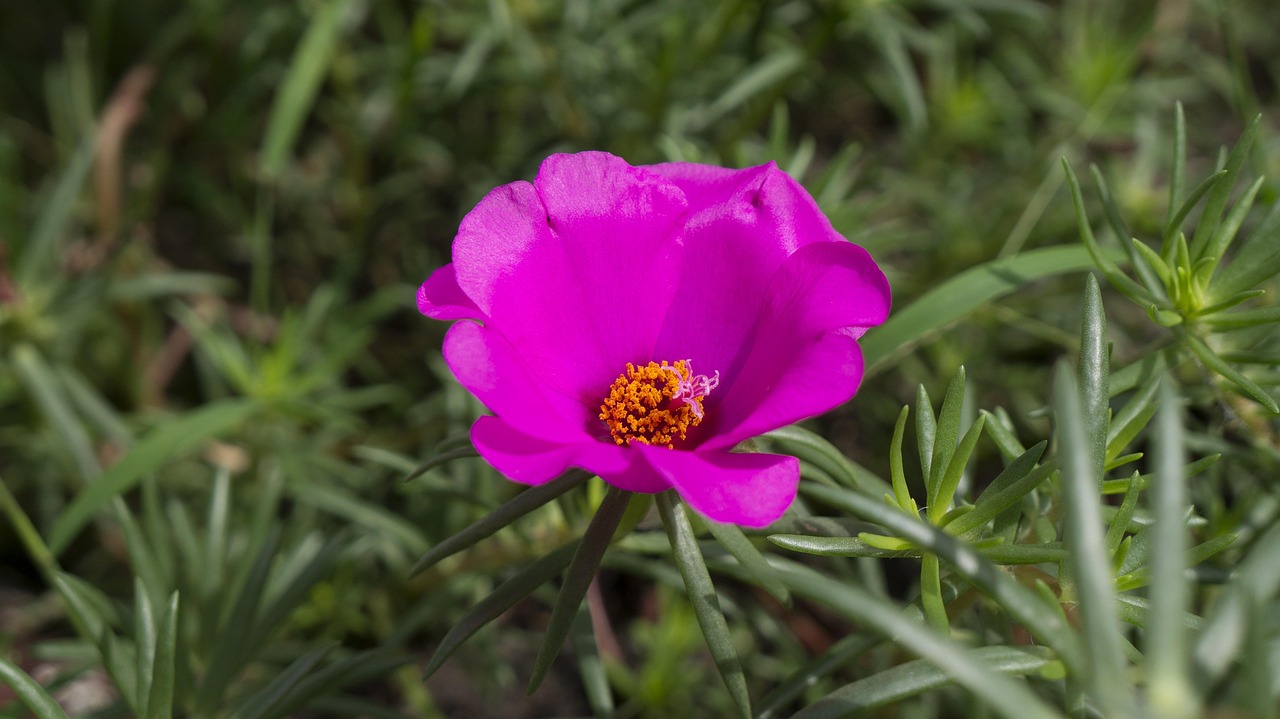

The moss rose is a remarkably low-maintenance annual that generally does not require a structured or intensive pruning regimen to thrive. Its natural growth habit is to form a dense, spreading mat, and it typically maintains an attractive, compact shape on its own when grown in its preferred conditions of full sun. However, some light grooming and cutting back during the growing season can be beneficial, helping to rejuvenate the plant, encourage bushier growth, and promote a more prolific and sustained period of blooming. These interventions are not about correcting major structural issues, but rather about gentle refinement and encouragement.
The primary reason for cutting back a moss rose is a practice known as “pinching” or “shearing.” This is often done mid-season if the plants begin to look a bit tired, leggy, or sparse in their flowering. Over time, some stems may become elongated and produce fewer flowers at their tips. A light trim can stimulate the plant to send out new lateral shoots from the base, resulting in a fuller, denser plant and a fresh flush of blooms. This is a form of renewal that can significantly extend the plant’s aesthetic appeal deep into the summer months.
Another aspect of pruning relates to deadheading, which is the removal of spent flowers. While many modern moss rose cultivars are “self-cleaning,” meaning old blossoms drop off neatly without assistance, older varieties can benefit from having their faded flowers removed. This prevents the plant from expending energy on developing seeds and instead redirects that energy into producing new buds. While deadheading individual flowers can be a tedious task due to their sheer number, a light shearing can accomplish the same goal much more efficiently.
It is important to understand that any pruning or cutting back should be done with a light hand. The goal is to groom and refresh the plant, not to perform a hard renovation. A gentle trim is all that is needed to stimulate new growth. Aggressive cutting back can stress the plant and temporarily reduce its flowering capacity. The best approach is to observe the plant’s performance and provide a light haircut only when it starts to look a bit worn out or stretched, thereby maintaining its vigor and beauty throughout the entire growing season.
The purpose of pinching and shearing
Pinching and shearing are simple pruning techniques used to encourage a fuller, more compact growth habit and to stimulate a new wave of flowering on annuals like the moss rose. Pinching refers to the removal of the growing tip of a stem, typically using just your thumb and forefinger. This action removes the apical bud, which produces hormones that suppress the growth of lateral buds further down the stem. Once the apical bud is gone, these lateral buds are released from dormancy and begin to grow, resulting in multiple new stems branching out from below the pinch point.
More articles on this topic
This technique is most effective when the plants are young, shortly after they have been transplanted into the garden. Pinching back the main stems of young moss rose plants will encourage them to branch out from the base early on, leading to a much denser and more mounding plant from the start. A bushier plant will ultimately produce more flowers simply because it has more stems on which buds can form. It is a proactive step that helps to create a robust framework for the season’s growth.
Shearing is essentially the same principle as pinching but performed on a larger scale later in the season, using a pair of scissors or garden shears. This is often done in mid-summer if the plants start to look leggy or the initial flush of blooms begins to fade. By cutting back the entire plant by about one-third to one-half, you remove many of the older stems and spent flowers all at once. This seemingly drastic action forces the plant to produce a fresh flush of new, compact growth from its base.
Within a week or two after shearing, you will be rewarded with a rejuvenated plant that is fuller, tidier, and ready to produce a spectacular new wave of flowers that will carry it through the end of the season. This mid-season “haircut” is an excellent way to combat the lankiness that can sometimes develop during the peak heat of summer. It is a simple but highly effective technique for keeping your moss rose looking its best from the beginning of summer until the first frost.
Deadheading for continuous blooms
Deadheading is the horticultural practice of removing faded or dead flowers from a plant. The primary purpose of this task is to interrupt the plant’s reproductive cycle. Once a flower is pollinated, the plant’s energy is naturally redirected from producing more flowers to the development of seeds and fruit. By removing the spent blossom before it has a chance to set seed, you trick the plant into thinking its reproductive job is not yet done, which in turn encourages it to produce more flowers in a renewed attempt to create seeds.
More articles on this topic
For the moss rose, deadheading can lead to a more continuous and prolific blooming period. The individual flowers of a moss rose are ephemeral, each lasting only a day or so before closing and withering. If these spent flowers are left on the plant, they will begin to form seed pods. Removing them channels the plant’s resources back into the creation of new flower buds. This results in a plant that remains covered in fresh, vibrant color for a longer duration.
The process of deadheading a moss rose can be approached in two ways. The meticulous method involves individually pinching or snipping off each faded flower. Due to the sheer number of blooms a healthy moss rose produces, this can be a very time-consuming, albeit meditative, task. You simply follow the flower stalk down to the first set of healthy leaves and make your cut or pinch there. This is the most precise method and ensures a very tidy appearance.
A more practical and time-efficient alternative for a plant with as many small flowers as the moss rose is to lightly shear the entire plant every few weeks, as mentioned previously. This method accomplishes deadheading on a larger scale while also promoting bushier growth. While it may temporarily remove some unopened buds, the plant will recover quickly and the subsequent flush of growth and flowers will be more dense and uniform. For many gardeners, this shearing method provides the best balance of effort and reward for keeping the moss rose in continuous bloom.
End-of-season cleanup
As the growing season draws to a close and the first frosts of autumn arrive, the life cycle of the annual moss rose comes to a natural end. The frost will kill the plants, causing their succulent foliage and stems to turn black and mushy. At this point, the primary pruning task is the final cleanup of the garden bed. Removing the dead plant material is an important aspect of good garden hygiene, as it helps to reduce the overwintering sites for potential pests and disease pathogens.
Before you clear the plants away, take one last opportunity to collect seeds for next year’s garden. Look for the mature, dried, tan-colored seed pods that have formed from the last of the season’s flowers. Collect these pods and store the seeds in a cool, dry place as described in the wintering process. This ensures you will have a fresh supply of your favorite moss rose varieties to plant the following spring, carrying the garden’s legacy forward.
Once you have harvested any seeds you wish to save, the dead plants can be pulled up and removed. Because the moss rose has a relatively shallow root system, this is typically an easy task. The spent plant material can be added to your compost pile. The succulent nature of the stems and leaves means they will break down quite readily, adding valuable organic matter back into your garden’s ecosystem. This act of decomposition is the final stage of the plant’s life cycle.
After clearing the bed, you can lightly cultivate the soil and, if you wish, amend it with a layer of compost in preparation for the next planting season. Leaving the bed clean and tidy over the winter not only looks better but also sets the stage for a healthy start in the spring. This final act of cutting back and cleaning up is the closing chapter for your moss rose for the year, a satisfying conclusion to a season of vibrant color.

While the article says they are low-maintenance, I find that a “mid-summer haircut” really helps rejuvenate moss roses. Around late July, they can sometimes start to look a bit sparse in the center and overly long at the edges. I usually take my garden shears and take off about two inches from the ends of the stems. This stimulates new branching from the center and results in a second flush of blooms that lasts until frost. It might feel drastic, but the plants recover so quickly you won’t even notice after a week. Just make sure to give them a light watering right after you prune to reduce stress.
I was always afraid to prune my moss roses, but after reading your comment, I gave it a try last month. You were absolutely right about the second flush of blooms! My plants look much fuller now and the new flowers seem even more vibrant than the first batch. It’s such a simple tip but it makes a world of difference for the overall look of the garden. I’ll definitely be making this a part of my annual routine from now on.
Does deadheading really make a difference for moss roses, or is it just for aesthetics? I’ve heard that since they produce so many seeds, removing the spent flowers can help the plant keep blooming longer. However, the flowers are so small and numerous that it seems like a daunting task for a large bed. Is there a more efficient way to do this than picking them off one by one? I’m looking for a balance between results and the time spent on maintenance.
I personally don’t bother with individual deadheading because the sheer volume of flowers makes it nearly impossible. Instead, I follow the advice mentioned in the previous comment and just do a general shearing every few weeks. This effectively removes the developing seed pods and keeps the energy focused on new buds. It’s also important to note that many modern varieties are actually bred to be “self-cleaning,” meaning the old petals drop off neatly on their own. This makes them look much better even without regular pruning.
That “self-cleaning” feature sounds like a lifesaver for someone with a big garden like mine. I’ll have to look for those specific varieties when I buy my seeds for next year. I’ve noticed that some of my older heirlooms tend to hold onto their dried-up blossoms, which can look a bit messy. A quick shear with the grass clippers seems like the perfect solution for keeping them tidy. Thanks for the practical advice!