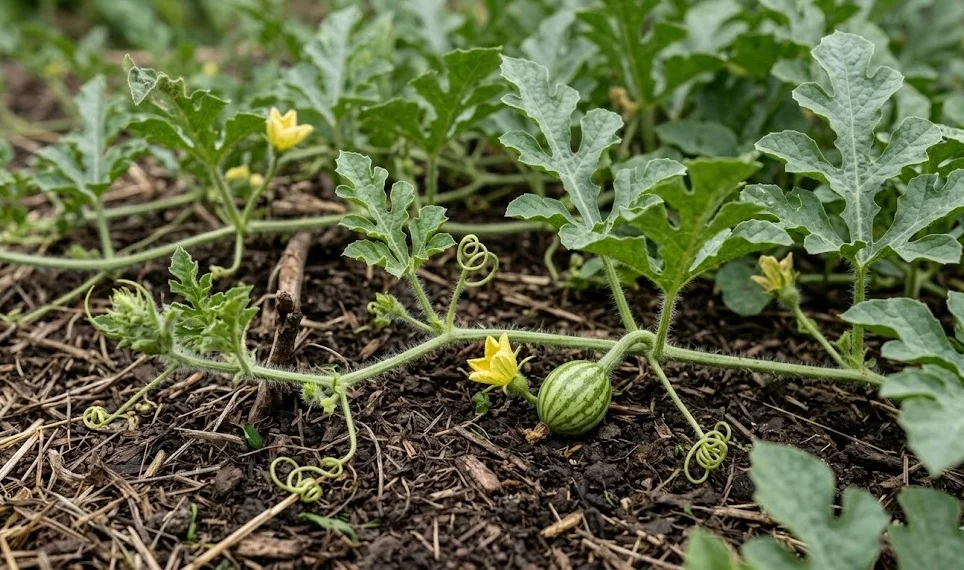

Since watermelons are tropical plants that are grown as annuals in most climates, the concept of overwintering focuses on seed preservation and soil preparation. You cannot keep the vines alive through a freezing winter, so your goal is to secure the genetics for the following year. Taking the time to properly process and store seeds ensures that you can continue your favorite varieties without buying new stock. This bridge between seasons is a vital part of the agricultural cycle for any dedicated grower.
Harvesting seeds from your best-performing melons is the most effective way to improve your future crops. You should select a fully ripe fruit that exhibited the best flavor, size, and disease resistance during the growing season. Remove the seeds and wash them thoroughly in a colander to remove any remaining sugary pulp or debris. Spread the cleaned seeds out on a paper towel in a well-ventilated area and allow them to dry completely for several days.
Proper storage of the dried seeds is crucial to maintaining their viability over the long winter months. You should place the seeds in a paper envelope or a glass jar, making sure to label them with the variety and the date of harvest. Storing the containers in a cool, dark, and dry place will prevent the seeds from germinating or rotting prematurely. Some experts prefer to keep their seeds in the refrigerator to simulate a stable, dormant environment until the arrival of spring.
Preparing the garden bed during the autumn months is another essential part of the overwintering process for the land itself. You should remove all old vine debris to prevent pests and diseases from huddling in the garden over the winter. Sowing a cover crop like clover or rye can protect the soil from erosion and add valuable organic matter when tilled back in. This proactive step ensures that the soil is revitalized and ready to support a new generation of heavy-feeding watermelon plants.
Planning your garden layout for the next year is a task that can be done during the quietest months of the winter season. You should review your notes from the previous summer to identify which areas of the garden performed the best and which had issues. Use this information to decide on your crop rotation strategy to keep the soil healthy and free of pathogens. This mental and logistical preparation is what separates a casual hobbyist from a professional and successful agricultural enthusiast.