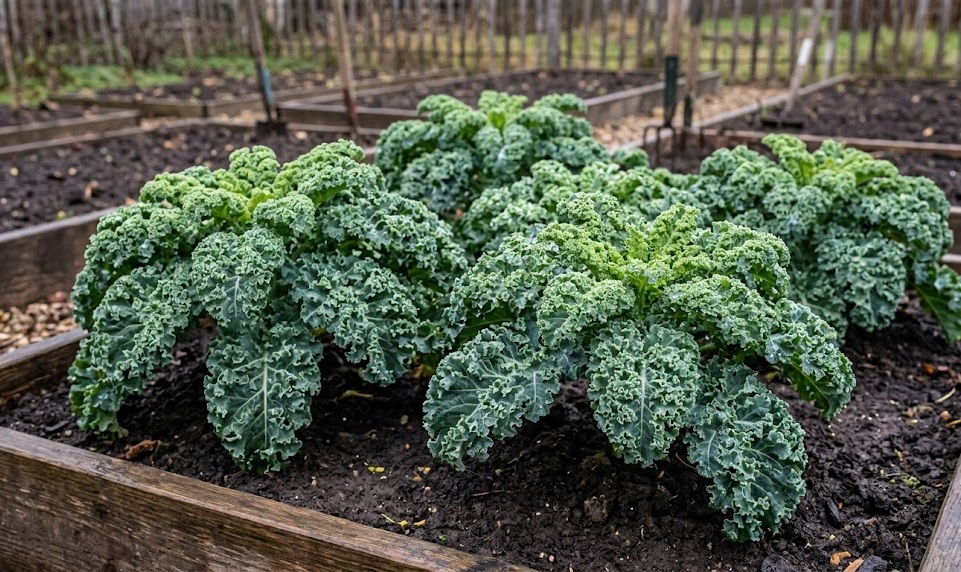

The practice of pruning and strategically cutting back curly kale is an often-overlooked aspect of garden maintenance that can significantly extend the productive life of the plant. Unlike many other vegetables that are harvested all at once, kale is a multi-year crop that responds remarkably well to careful intervention. By removing specific parts of the plant at the right time, you can encourage new growth, improve airflow, and manage the plant’s overall shape. Mastering these techniques allows you to maintain a tidy and high-yielding garden that remains productive through multiple seasons.
The most common form of pruning for curly kale is the regular removal of the oldest, outermost leaves as part of the harvesting process. This “bottom-up” harvesting method keeps the plant focused on producing fresh, tender growth from the central growing point. You should use a sharp tool to make a clean cut near the main stem, being careful not to damage the vascular tissue of the stalk itself. Regular harvesting prevents the lower leaves from becoming tough, yellow, and attractive to soil-borne pests like slugs.
Beyond simple harvesting, you may occasionally need to perform “hygienic pruning” to remove any leaves that show signs of disease or physical damage. Removing these leaves promptly prevents pathogens from spreading to the rest of the plant and improves the overall appearance of the garden. It also ensures that the plant is not wasting energy trying to maintain damaged tissue that is no longer contributing to photosynthesis. Keeping the plant “clean” is one of the most effective ways to promote long-term health and vigor.
As the plant grows taller, it may eventually develop a long, bare stem with a crown of leaves at the top, giving it a palm-tree-like appearance. While this is normal for many varieties, you can prune the lower stem to remove any small side shoots that may appear. This directs all the plant’s resources to the main head, resulting in larger and more uniform leaves. However, if you prefer a bushier plant, you can leave some of these side shoots to develop into secondary heads.
Handling the bolting process and flower stalks
When the temperatures rise in late spring and the days get longer, your overwintered kale will naturally begin to bolt. Bolting is the process where the plant sends up a tall, thick flower stalk in preparation for seed production. While this usually signals the end of the prime leaf harvest, you can use pruning to manage this transition. If you are not interested in saving seeds, you can cut back these flower stalks as soon as they appear to encourage the plant to produce a few more weeks of edible foliage.
More articles on this topic
Cutting back the bolting stem can sometimes stimulate the dormant buds lower down on the main stalk to grow into fresh side shoots. These new shoots often produce tender, delicious leaves that are a welcome addition to the early spring kitchen. While this will not stop the bolting process indefinitely, it can provide a “second wind” for your kale crop before you finally remove it. It is a great way to squeeze every bit of value out of your hard-earned garden plants.
If you decide to let the plant flower, you can still perform some light pruning to keep the flower heads manageable. Removing some of the smaller, spindly flower stalks can result in larger and more vibrant blooms that are even more attractive to pollinators. The flowers of the curly kale are not only beautiful but also entirely edible, with a sweet, mustard-like flavor that is excellent in salads. Pruning during the flowering stage is more about aesthetic management and pollinator support than leaf production.
Once the flowers have faded and the plant has finished its life cycle, the final pruning involves removing the entire plant from the garden. You should cut the main stem at the soil line or carefully dig out the root ball to prepare the bed for the next crop. If the plant was healthy, the stems and leaves can be shredded and added to your compost pile to return their nutrients to the soil. Proper disposal of the spent plants is the final step in maintaining a professional and productive garden ecosystem.
Rejuvenation and late season maintenance
In some cases, a kale plant that has become overgrown or stressed can be rejuvenated by a more aggressive form of cutting back. If the main crown has been damaged by pests or extreme weather, you can sometimes cut the entire stem back to about six inches above the ground. If the root system is healthy, the plant may respond by sending out several new, vigorous shoots from the base. This “rejuvenation pruning” is a bit of a gamble, but it can often save a plant that would otherwise be lost.
More articles on this topic
This technique is best performed in the early spring or late summer when the weather is mild and the plant is in an active growth phase. After cutting back, you should provide the plant with plenty of water and a light application of organic fertilizer to support the new growth. Watching these fresh shoots emerge and transform into a brand-new plant is one of the most satisfying experiences for a dedicated gardener. It demonstrates the incredible resilience and vitality of the curly kale plant.
Late in the season, as you prepare for winter, a final round of pruning can help the plant handle the coming cold. You should remove any soft, succulent growth that is unlikely to survive a hard frost and focus on keeping the sturdier, established leaves. This helps the plant consolidate its energy and reduces the surface area that is vulnerable to winter desiccation. A well-pruned plant is much better equipped to withstand the physical stress of snow and ice accumulation.
Pruning and cutting back are not just about removal; they are about communication between the gardener and the plant. By responding to the plant’s growth habits and environmental challenges, you create a partnership that results in a more beautiful and productive garden. Whether you are performing a simple harvest or an aggressive rejuvenation, each cut should be made with a clear purpose and an understanding of the plant’s biology. With these professional techniques, your curly kale will thrive for many months to come.