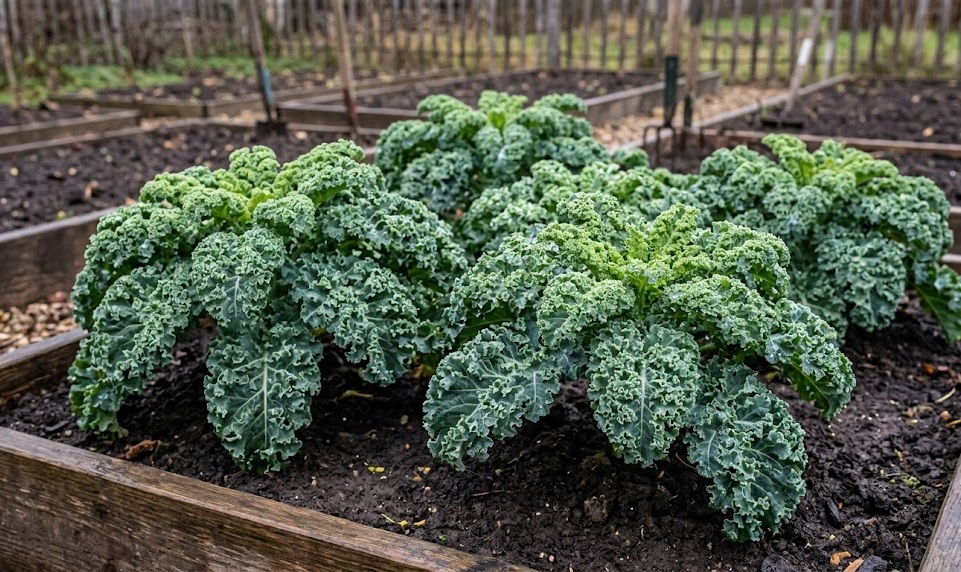

The remarkable ability of curly kale to withstand freezing temperatures makes it one of the most valuable crops for year-round food production in many climates. While the plant is naturally hardy, specific techniques can be used to maximize its survival and ensure a continuous harvest throughout the coldest months. Overwintering is not just about survival; it is about managing the plant’s biological processes to maintain leaf quality and flavor during winter. By providing the right structural and environmental support, you can turn your autumn garden into a resilient winter pantry.
Understanding the physiological changes that occur within the plant during a freeze is essential for any professional grower. As the temperature drops, kale begins to accumulate sugars and other solutes in its cell sap, which act as a natural form of antifreeze. This process not only prevents ice crystals from damaging the cell walls but also significantly improves the sweetness and texture of the leaves. Many gardeners wait until after the first few hard frosts to begin their main winter harvest for this very reason.
The degree of cold hardiness can vary between different varieties, but most curly types are exceptionally resistant to sub-freezing temperatures. Some plants can survive down to 10 degrees Fahrenheit or even lower if they are properly acclimated and protected from drying winds. The main threat during winter is often not the cold itself, but the fluctuation between freezing and thawing, which can stress the plant’s vascular system. Maintaining a stable environment as much as possible is the key to successful overwintering.
Snow cover can actually be a beneficial insulator for kale, protecting the leaves and the crown from the harshest winds and extreme cold. If you live in an area with consistent snow, your plants may emerge from the winter in surprisingly good condition. However, heavy, wet snow can sometimes break the stems or flatten the foliage, so some structural support may be necessary. For those in areas without reliable snow, manual protection methods become even more important for ensuring plant survival.
Protecting the root zone and crown
The most critical part of the plant to protect during the winter is the root zone and the central growing point, or crown. Applying a thick layer of mulch, such as straw or shredded leaves, around the base of the plant provides an essential thermal buffer. This mulch keeps the soil temperature more consistent and prevents the ground from freezing and thawing repeatedly, which can heave the plants out of the soil. Aim for a mulch depth of at least three to four inches for maximum effectiveness.
More articles on this topic
If your garden is located in a particularly windy area, you might consider using a burlap screen or a temporary fence to block the coldest gusts. Desiccating winter winds can pull moisture out of the leaves faster than the frozen roots can replace it, leading to “winter burn.” By reducing the wind speed around the plants, you help them maintain their internal hydration levels during the coldest spells. This simple physical barrier can make a significant difference in the survival rate of your overwintered crop.
For more intensive protection, low tunnels or cold frames can be used to create a protected microclimate for your kale. These structures trap the heat from the sun during the day and provide a shield against frost and snow at night. While they require more effort to set up, they can allow you to continue harvesting fresh greens even when the rest of the garden is dormant. Just be sure to vent these structures on sunny days to prevent the internal temperature from becoming too high.
The health of the plant going into the winter is also a major factor in its ability to survive the season. You should ensure that your kale is well-hydrated and properly nourished before the first deep freeze occurs. Avoid heavy pruning or fertilization late in the autumn, as this can encourage new, tender growth that is more vulnerable to cold damage. A strong, established plant with a deep root system is always the best candidate for successful overwintering.
Harvesting and maintenance in winter
Harvesting kale during the winter requires a slightly different approach than during the peak growing season. Because the plant’s metabolism has slowed down significantly, it will not regenerate new leaves as quickly as it does in the spring. You should be more conservative with your harvests, taking only what you need and leaving plenty of foliage to protect the central crown. Focus on harvesting the older leaves from the bottom and middle sections of the plant.
More articles on this topic
If the leaves are frozen solid when you need to harvest, it is best to wait until they thaw naturally if possible. Handling frozen leaf tissue can cause physical damage and bruising that will affect the quality and storage life of the greens. If you must harvest while frozen, use a very sharp knife to make a clean cut and handle the leaves as gently as possible. Once brought indoors, the leaves will thaw quickly and regain their normal texture for cooking.
Maintaining the area around your overwintering plants involves removing any dead or decaying foliage that could harbor pests or diseases. While most insects are dormant during the winter, some fungal pathogens can still survive in damp, decaying matter. Keeping the base of the plant clean and the mulch layer fresh ensures a healthy environment for when growth resumes in the spring. This regular attention also gives you a chance to monitor the plants for any signs of animal damage or environmental stress.
Watering may still be necessary during long periods of dry winter weather, especially if the ground is not completely frozen. The goal is to prevent the roots from drying out entirely, which can lead to the death of the plant even in the absence of extreme cold. Check the soil moisture under the mulch layer every few weeks during dry spells and provide a small amount of water if needed. Always water during the warmest part of the day to allow the moisture to soak in before the temperature drops again at night.
Transitioning from winter to spring
As the days begin to lengthen and the temperatures rise, your overwintered kale will start to show signs of new growth. This is an exciting time in the garden, as these early spring greens are often some of the most delicious and tender of the year. You can begin to increase your harvest as the plant’s metabolism speeds up and new leaves emerge from the center. This is also the time to remove any winter protection structures to prevent overheating and encourage natural development.
During this transition period, a light application of a balanced organic fertilizer can help jumpstart the spring growth phase. The nutrients that were leached away during the winter rains and snowmelt need to be replenished to support the rapid expansion of foliage. You should also take this opportunity to refresh the mulch layer and remove any weeds that may have germinated during the late winter. A clean, well-nourished garden bed provides the perfect environment for the final productive phase of the plant’s life.
It is important to remember that kale is a biennial, meaning it will naturally move toward flowering and seed production in its second year. You will notice the central stalk beginning to elongate and the leaves becoming smaller and more sparse as the plant prepares to bolt. While this signals the end of the leaf harvest, the flowering stalks, often called “kale raab,” are themselves a delicious and sought-after seasonal delicacy. You can enjoy these tender flower buds just like broccoli or asparagus before the yellow flowers fully open.
If you wish to save your own seeds, you can allow a few of your strongest plants to complete their flowering and seed-setting cycle. This is a rewarding way to close the loop on your garden and develop a strain of kale that is perfectly adapted to your local winter conditions. Once the seed pods have dried on the plant, they can be harvested, cleaned, and stored for the following season. Overwintering is thus not just a method for survival, but a vital part of the plant’s natural life cycle and your garden’s sustainability.