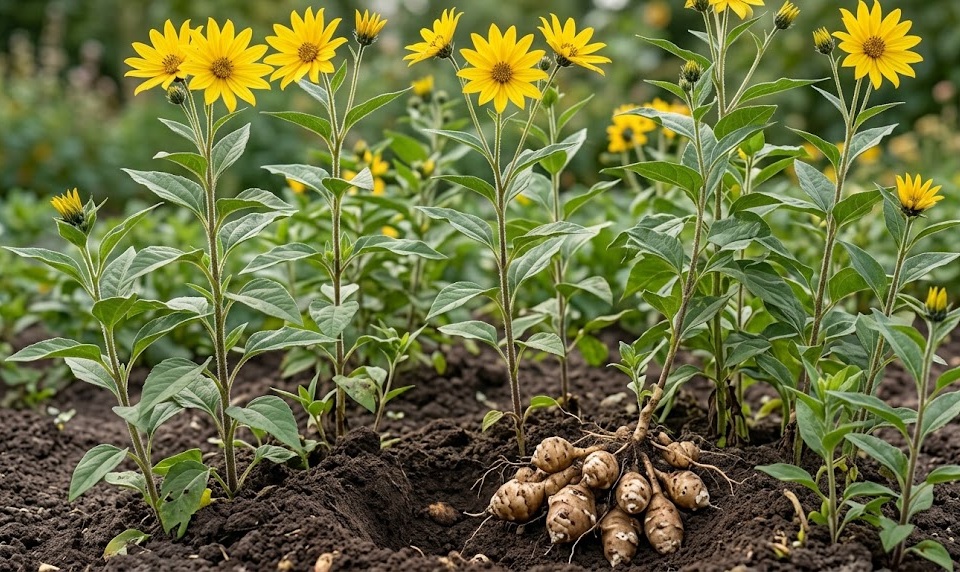

Successful cultivation of the Jerusalem artichoke requires a balance between providing enough resources for growth and managing the plant’s naturally aggressive tendencies. While this perennial is known for its extreme hardiness, professional growers focus on specific maintenance routines to maximize the quality of the harvest. You must understand that the plant’s energy is divided between its towering foliage and the development of underground tubers throughout the summer months. By implementing a structured care plan, you can ensure that the plant remains healthy and productive without overwhelming the rest of your garden space.
The health of the soil remains the most critical factor during the early stages of the vegetative growth cycle. You should monitor the moisture levels consistently to prevent the soil from becoming either bone-dry or completely waterlogged for extended periods. Even though the species is drought-tolerant, a steady supply of hydration encourages the development of larger and more uniform tubers. Adding a thin layer of organic mulch around the base of the stems will help regulate the temperature and preserve essential nutrients in the upper soil layers.
Weed management is particularly important during the first few weeks after the shoots emerge from the ground. Once the plants reach a certain height, their dense canopy will naturally shade out most competitors, but initial competition can stunt early development. You should carefully remove any invasive grasses or broadleaf weeds that appear near the emerging stalks to give the artichokes a strong start. Frequent shallow hoeing is often the best method for keeping the surrounding area clean without damaging the shallow root systems of your crop.
As the stems begin to stretch toward their full height, they may require additional structural support depending on the wind conditions in your specific location. These plants can easily reach three meters in height, making them susceptible to leaning or snapping during heavy summer storms. You might consider using a simple staking system or planting them against a sturdy fence to provide the necessary stability for the heavy foliage. Ensuring that the stalks remain upright allows for better air circulation and light penetration throughout the entire planting block.
Effective thinning and spacing techniques
Maintaining the correct density of your planting area is essential for preventing the spread of fungal diseases that thrive in stagnant air. If the stalks are growing too closely together, you should selectively remove the weaker stems to improve the overall airflow between the remaining plants. This practice not only keeps the foliage dry but also directs more of the plant’s resources into the development of high-quality tubers below the surface. A professional gardener always looks for signs of overcrowding and acts quickly to maintain a healthy balance within the crop.
More articles on this topic
Thinning also allows more sunlight to reach the lower leaves, which are often the first to turn yellow in dense stands. You should aim for a distance that allows each main stalk enough room to branch out slightly without touching its neighbors constantly. This spatial management is a proactive way to reduce the need for chemical interventions or intensive pest control measures later in the season. Taking the time to thin your crop in the early summer will pay significant dividends when it comes time to harvest in the autumn.
Observation of the leaf color and stem thickness can provide immediate feedback on whether your thinning efforts are sufficient for the local environment. Stems that appear spindly or pale often indicate that the plants are competing too intensely for the available light and soil nutrients. You can adjust your strategy by removing more material in areas where the growth seems particularly stagnant or unhealthy. This iterative process ensures that only the strongest genetics continue to grow and contribute to the final tuber yield.
The removed stems do not have to go to waste, as they can be processed into high-quality compost for use in other areas of the farm. Jerusalem artichoke foliage is rich in carbon and decomposes relatively quickly when mixed with green nitrogen sources in a managed pile. You should ensure that any plant material used for compost is free from visible pests or signs of active disease to maintain soil health. Recycling the biomass back into the earth is a sustainable practice that honors the natural cycle of the agricultural landscape.
Monitoring seasonal growth transitions
As the season progresses into late summer, the focus of the plant shifts from vertical growth to the accumulation of starches in the tubers. You will notice that the flowering stage begins, often characterized by small yellow blooms that resemble miniature sunflowers. While these flowers are aesthetically pleasing, some professional growers choose to remove them to prevent the plant from wasting energy on seed production. This technique focuses all the biological effort of the artichoke into expanding the size and nutritional density of the edible portions.
During this transition, it is helpful to perform a visual inspection of the lower stems to check for any signs of physical damage or rot. The base of the plant can become quite woody as it matures, providing a protective barrier against many common environmental stressors. You should also watch for changes in the weather patterns, as sudden drops in temperature can signal the plant to begin its dormant phase. Understanding these biological cues allows you to time your final maintenance tasks with precision and efficiency.
The transition period is also an ideal time to assess the overall height of your crop in relation to the surrounding landscape. If the plants are casting too much shade on other sun-loving vegetables, you may need to prune back the lateral branches to maintain garden harmony. This selective pruning does not harm the tuber development and can actually improve the structural integrity of the plant during late-season winds. Professional management involves finding the right compromise between maximum growth and the needs of the entire agricultural ecosystem.
It is interesting to note how the plants respond to the shortening days by slowing down their leaf production and focusing on internal storage. You can support this process by reducing the frequency of any high-nitrogen feedings that might encourage unnecessary green growth. Instead, focus on maintaining a stable environment that allows the tubers to cure and sweeten as the first frosts approach. The final weeks before the dormant period are crucial for the development of the characteristic nutty flavor that these tubers are known for.
Soil maintenance during the growing peak
Deep within the soil, the root systems are working tirelessly to anchor the heavy stalks and store energy for the following spring. You should avoid any deep cultivation near the base of the plants during this period to prevent disturbing the expanding tuber clusters. Any physical damage to the skin of the tubers can lead to rot or provide an entry point for soil-borne pathogens. A gentle approach to soil management is always preferred once the plants have established their primary root network.
If the soil has become compacted due to heavy rain or foot traffic, you can use a garden fork to carefully aerate the areas between the rows. This allows oxygen to reach the roots without directly impacting the sensitive tuber zones that are forming just below the surface. Improved soil aeration supports the activity of beneficial microbes that help break down organic matter into accessible nutrients. Healthy soil biology is the invisible foundation upon which a successful Jerusalem artichoke harvest is built.
You might find it beneficial to apply a light top-dressing of well-rotted compost around the plants as the summer heat reaches its peak. This organic material acts as a slow-release nutrient source that sustains the plants through the demanding final stages of their growth cycle. It also helps to prevent the soil surface from cracking, which can expose the developing tubers to light and pests. Maintaining a cool and moist root zone is a hallmark of professional horticultural care for this specific crop.
Regular soil checks will also help you identify any potential drainage issues that could lead to tuber spoilage in the autumn. If you notice water pooling in certain areas, you should consider creating small drainage channels to direct excess moisture away from the main planting bed. Jerusalem artichokes do not tolerate “wet feet” during the final stages of their development, as this can lead to waterlogged tissues. Managing the water balance of the soil is an ongoing task that requires constant attention to detail.
Protecting the crop from environmental stress
Extreme weather events such as heatwaves or unexpected cold snaps can put significant stress on even the hardiest garden varieties. During periods of intense heat, you should provide extra shade or increase the frequency of evening watering to keep the foliage from wilting. Wilting causes the plant to stop photosynthesis, which directly impacts the eventual size and weight of the harvested tubers. Providing a consistent environment helps the plant maintain a steady metabolic rate throughout the entire summer.
Wind protection is another critical aspect of professional care, especially for plants that have not been staked or supported. You can create a natural windbreak using other tall crops or temporary netting to shield the fragile stalks from the strongest gusts. If a stem does break, it should be removed cleanly with a sharp tool to prevent the wound from becoming a site for infection. Proactive protection reduces the risk of crop loss and ensures that the garden remains tidy and manageable.
Heavy rainfall can sometimes wash away the protective soil covering from the top of the tubers, leaving them exposed to the air. You should regularly check the base of the plants after major storms and re-cover any visible tubers with fresh soil or mulch. Exposure to sunlight can cause the tubers to turn green and develop a bitter taste, significantly reducing their culinary value. Keeping the tubers “tucked in” is a simple but essential part of the late-season maintenance routine.
Natural predators such as large rodents or burrowing animals may also take an interest in your crop as the tubers become more substantial. You can deter these visitors by using physical barriers or by maintaining a clean garden environment that offers fewer hiding places. Some growers use ultrasonic devices or natural repellents to keep the underground portions of their crop safe from unwanted guests. Vigilance is the best defense against the various environmental pressures that can affect your agricultural success.
Strategies for late season stem management
By the time late autumn arrives, the leaves will naturally begin to turn brown and the stalks will lose their vibrant green color. You should resist the urge to cut the stems back too early, as the plant is still moving valuable nutrients from the foliage into the tubers. Waiting until the stalks are completely dry ensures that the tubers have reached their maximum nutritional potential and storage capacity. This patience is rewarded with a more robust and flavorful harvest that will last much longer in storage.
When the foliage has fully died back, you can cut the main stalks down to a height of about ten to fifteen centimeters above the ground. This remaining “stubble” serves as a useful marker for the location of the tuber clusters during the winter harvest period. It also provides a small amount of protection for the crown of the plant against the coldest winter winds. Professional gardeners use this time to clear away any debris and prepare the site for the dormant months ahead.
The cut material can be shredded and used as a heavy mulch layer over the top of the dormant tubers to provide extra insulation. This recycling of plant matter helps to maintain a consistent soil temperature and prevents the ground from freezing too deeply. If you live in an area with particularly harsh winters, this extra layer of protection can make the difference between a successful spring regrowth and a lost crop. Managing the post-growth biomass is an important final step in the annual care cycle.
You should also take this opportunity to document the performance of each planting block to inform your decisions for the following year. Note which areas produced the largest tubers and which plants seemed most resistant to the local environmental stresses. This information is invaluable for refining your care techniques and improving the overall efficiency of your garden operations. Continuous learning and observation are the keys to becoming an expert in the cultivation of Jerusalem artichokes.
Preparing the site for the next generation
As you move toward the end of the care cycle, it is important to think about the long-term health of the planting site. Jerusalem artichokes are notorious for being difficult to remove once they have become established in a specific area. If you plan to move the crop to a new location, you must be extremely thorough in your harvest to ensure that no small tubers remain in the soil. Even a tiny fragment of a tuber can sprout into a new plant the following spring, leading to unwanted spread.
If you are keeping the crop in the same location, you should consider adding a fresh layer of organic matter to replenish the soil nutrients. The heavy growth of these plants can significantly deplete the available resources over the course of a single season. A balanced application of compost or well-rotted manure will prepare the ground for the next cycle of growth and ensure continued success. Maintaining soil fertility is a primary responsibility for any professional gardener working with heavy-feeding crops.
You should also inspect the irrigation lines and any support structures for signs of wear and tear before the winter sets in. Repairing these components during the off-season saves valuable time and effort when the busy spring planting period arrives. Storing your tools in a dry place and cleaning them thoroughly will also extend their lifespan and improve their performance. A well-organized workspace is a reflection of a professional and dedicated approach to agriculture.
Finally, take a moment to appreciate the resilience and productivity of this unique plant as it enters its quiet phase. The care you have provided throughout the season has laid the groundwork for a successful harvest and a healthy future for your garden. By following these professional guidelines, you have transformed a simple tuber into a source of nourishment and agricultural pride. The cycle of growth continues, and with your expert management, the Jerusalem artichoke will remain a staple of your productive landscape.