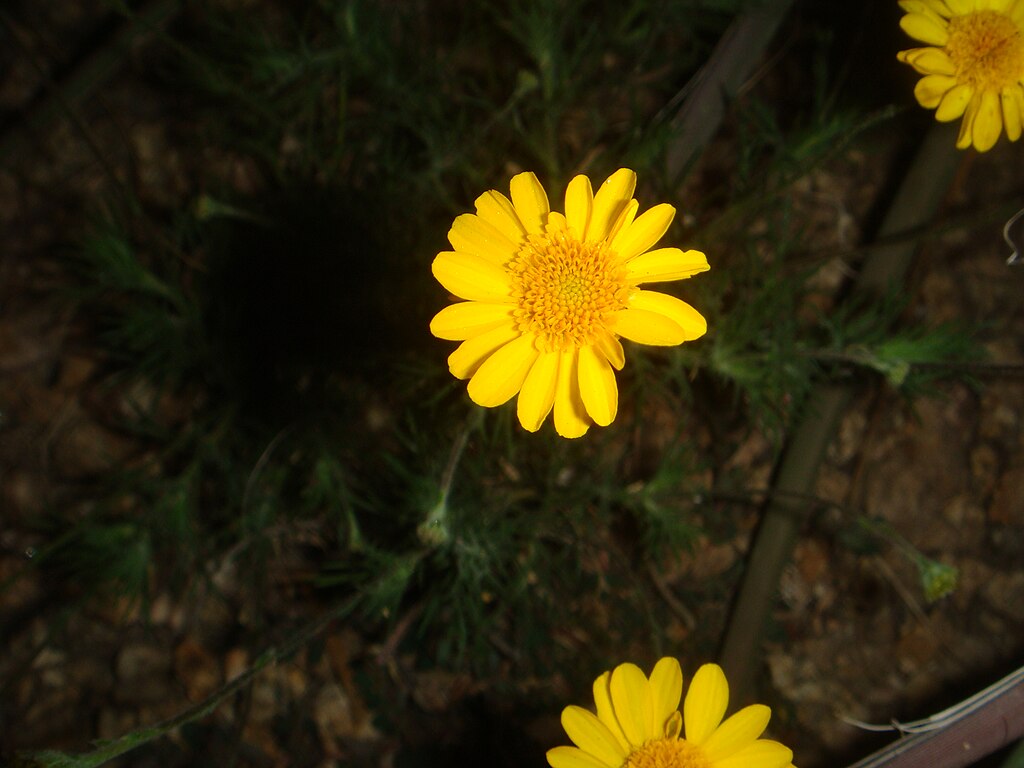

The Dahlberg daisy is typically cultivated as an annual in most climates, completing its life cycle of growing, flowering, setting seed, and dying within a single growing season. In regions that experience freezing winter temperatures, the plant will not survive outdoors and is generally allowed to succumb to the first hard frost. However, for dedicated gardeners in colder zones who wish to preserve a particular plant, or for those in milder, frost-free climates, overwintering is a viable option. The process involves providing the plant with protection from the cold, either by bringing it indoors or by taking specific measures to shield it in the garden in suitable climates. Understanding the plant’s hardiness limitations is the first step in determining the best approach for helping it survive the winter months.
In its native habitat of Texas and Mexico, and in other subtropical or tropical regions (USDA hardiness zones 9-11), the Dahlberg daisy can behave as a short-lived perennial. In these areas, it may survive the winter outdoors with minimal protection, especially if it is planted in a well-drained, sheltered location. It might cease flowering and look a bit ragged during the coolest part of the year, but it will often rebound with fresh growth and new blooms as the weather warms in the spring. Even in these mild climates, however, an unusually cold snap or excessively wet winter soil can prove fatal.
For gardeners in colder regions (USDA zones 8 and below), the only way to save a Dahlberg daisy through the winter is to bring it indoors. This can be done by potting up a plant from the garden before the first frost or by taking stem cuttings in late summer to root and grow as small houseplants over the winter. This method allows you to preserve the genetic material of a favorite specimen and have mature plants ready to go back outside the following spring. The key to successfully overwintering indoors is to provide as much light as possible and to be vigilant about not overwatering in the lower-light, cooler conditions of a typical home.
Whether overwintering indoors or out, the plant’s needs change significantly during the dormant or semi-dormant winter period. Its growth will slow dramatically, and as a result, its requirements for water and nutrients will be greatly reduced. Adjusting care practices to accommodate this natural slowdown is crucial for the plant’s survival. Overwintering requires a bit of effort, but for those who have grown fond of this cheerful plant, it can be a rewarding way to ensure its sunny presence returns to the garden year after year.
Understanding hardiness and climate zones
The ability of a Dahlberg daisy to survive the winter outdoors is entirely dependent on the severity of the winter in a given geographical location. Horticulturists use a system of hardiness zones, such as the one developed by the USDA, to classify regions based on their average annual minimum winter temperature. The Dahlberg daisy is considered tender and is only reliably perennial in zones 9 through 11. In these zones, winter temperatures typically do not drop below -6.7 degrees Celsius (20 degrees Fahrenheit), which is the general threshold for the plant’s survival.
More articles on this topic
In a zone 9 climate, the plant might experience light frosts that could damage the top growth, but the root system will likely survive if the soil is well-drained, allowing the plant to regrow in the spring. In zones 10 and 11, where frosts are rare or non-existent, the Dahlberg daisy can persist as an evergreen perennial, potentially flowering year-round, though blooming may slow during the shorter days of winter. Gardeners in these warmer zones can often leave their plants in the ground with little to no special preparation for the winter.
For anyone gardening in zone 8 or colder, the Dahlberg daisy must be treated as an annual. Winter temperatures in these zones will consistently fall well below freezing, which will kill the entire plant, including the roots. It has no natural mechanism for surviving frozen soil. Therefore, leaving it in the garden over the winter in these regions is not a viable option if the goal is to save the plant. The only alternatives are to bring the plant indoors or to collect seeds in the fall to sow for the following year.
It is also important to consider microclimates within your own garden. A plant in a sheltered spot next to a south-facing wall may be in a slightly warmer zone than a plant in an exposed area of the same garden. While a favorable microclimate might help the plant survive a mild winter in a borderline zone like 8b, it should not be relied upon for consistent survival in colder climates. Understanding your specific hardiness zone is the essential first step in making an informed decision about your overwintering strategy.
Preparing plants for overwintering indoors
If you live in a climate where the Dahlberg daisy will not survive the winter outdoors, you can bring it inside to live as a houseplant. The process of preparing the plant for this transition should begin in late summer or early autumn, well before the first expected frost date. Start by selecting a healthy, compact plant that shows no signs of pests or diseases. A smaller plant is often easier to manage indoors than a large, sprawling one.
More articles on this topic
If the plant is in a container, the transition is simpler. Begin by inspecting it thoroughly for any pests like aphids or spider mites. It is much easier to treat these problems outdoors than to deal with an infestation inside your home. If necessary, treat the plant with insecticidal soap a week or two before bringing it in. Prune the plant back by about one-third to one-half. This reduces the amount of foliage the root system has to support and encourages a more compact shape, which is better suited for indoor conditions.
If the plant is in a garden bed, you will need to carefully dig it up and pot it. Choose a pot that is just large enough to accommodate the root ball with a little extra room. Use a fresh, sterile, well-draining potting mix. After potting, water the plant well and place it in a shady, sheltered location outdoors for about a week. This allows the plant to recover from the shock of being transplanted before it faces the additional stress of moving indoors. During this time, continue to monitor for any pests.
Before the first frost, it is time to bring the prepared plant inside. The transition from the high-light, high-humidity outdoor environment to the lower-light, dry-air conditions of a typical home can be a shock. To ease this transition, acclimate the plant gradually. Start by bringing it indoors for just a few hours a day, gradually increasing the amount of time it spends inside over the course of a week. This gradual acclimatization period will significantly improve its chances of surviving and thriving through the winter.
Indoor winter care
Once the Dahlberg daisy is indoors for the winter, its care routine must be adjusted to the different environmental conditions. The most critical factor for its survival is light. This is a sun-loving plant, and the lower light levels of a home in winter are its biggest challenge. Place the plant in the sunniest window you have, which is typically one with a southern exposure. Even in the brightest window, the light intensity will be much lower than it was outdoors, so do not be surprised if the plant’s growth slows and flowering ceases.
Supplementing natural light with a grow light can make a significant difference. A simple full-spectrum fluorescent or LED grow light positioned a few inches above the plant and run for 12 to 14 hours a day can provide the light energy it needs to stay healthy. This will help prevent the weak, pale, and stretched-out growth that is common when light-loving plants are brought indoors. With supplemental lighting, you may even be rewarded with some sporadic blooms throughout the winter.
Watering is the next critical adjustment. With reduced light and slower growth, the plant’s water needs will decrease dramatically. It is essential to let the soil dry out thoroughly between waterings. Check the soil moisture by inserting a finger about an inch deep; if it feels dry, it is time to water. Water thoroughly until it runs out the bottom, then discard any excess water from the saucer. Overwatering is the quickest way to kill an overwintered Dahlberg daisy, as its semi-dormant roots are highly susceptible to rot.
During the winter months, do not fertilize the plant. It is in a state of rest, and feeding it will only encourage weak growth that cannot be supported by the available light. Also, be mindful of humidity. The air inside most homes is very dry in the winter, which can stress the plant and make it more susceptible to spider mites. Placing the pot on a tray of pebbles and water (a humidity tray) or running a small humidifier nearby can help to mitigate the dry conditions.
Taking cuttings for overwintering
An excellent alternative to digging up and overwintering a whole plant is to take cuttings in the late summer. This method requires less space indoors and allows you to start with fresh, pest-free plant material. In late August or early September, select several healthy, non-flowering stems from your mature Dahlberg daisy. Using a sterile blade, take cuttings that are about three to four inches long, making each cut just below a leaf node.
Prepare the cuttings by removing the leaves from the lower half of each stem. You can dip the cut end in a rooting hormone to encourage faster root development, although it is not strictly necessary. Insert the cuttings into a small pot filled with a moist, sterile rooting medium like a mix of perlite and peat moss. Place the pot in a location with bright, indirect light and cover it with a clear plastic bag to create a humid environment that promotes rooting.
Keep the rooting medium consistently moist, and roots should form within a few weeks. You can check for rooting by gently tugging on a cutting; if you feel resistance, roots have formed. Once rooted, the cuttings can be transplanted into their own small pots with a regular well-draining potting mix. These small, newly rooted plants can then be cared for as houseplants over the winter, following the same guidelines for light and water as for a larger overwintered plant.
The advantage of this method is that you will have several small, vigorous young plants ready to go in the spring. As the weather warms and the danger of frost has passed, you can begin to acclimate these new plants to the outdoors, just as you would with any other seedling. This is often a more reliable and space-efficient way to ensure you have Dahlberg daisies for the next gardening season, carrying forward the legacy of your favorite plant from the previous year.

Even though they are typically grown as annuals, I have had some success keeping a few plants alive in my unheated greenhouse over the winter. I live in a zone 8a, so it doesn’t get extremely cold, but we do get several hard frosts. I cut the plants back by about half and water them very sparingly—just enough to keep the soil from becoming bone dry. Most of them make it through and start growing again in March. It gives me a nice head start on the season. It is worth a try if you have the space!
Margaret, that is a great tip! I have a similar setup and might try it with my favorite specimens this year. I usually just let them go, but some of them have such a perfect shape that it seems a shame to lose them. Do you find that the overwintered plants flower as well as the new seedlings? I have heard that some annuals can become a bit woody and less productive in their second year. I would love to know if they maintain that compact, mounded habit.
For those of us in truly cold climates, collecting seeds is the best way to “overwinter” our daisies. I store mine in a paper envelope in a cool, dry place until spring. It is much more reliable than trying to keep a tender plant alive through a zone 5 winter. The article is right that they are best treated as annuals for most of us. It keeps the garden fresh and allows for new designs every year. Plus, the seedlings are so vigorous once they get going.