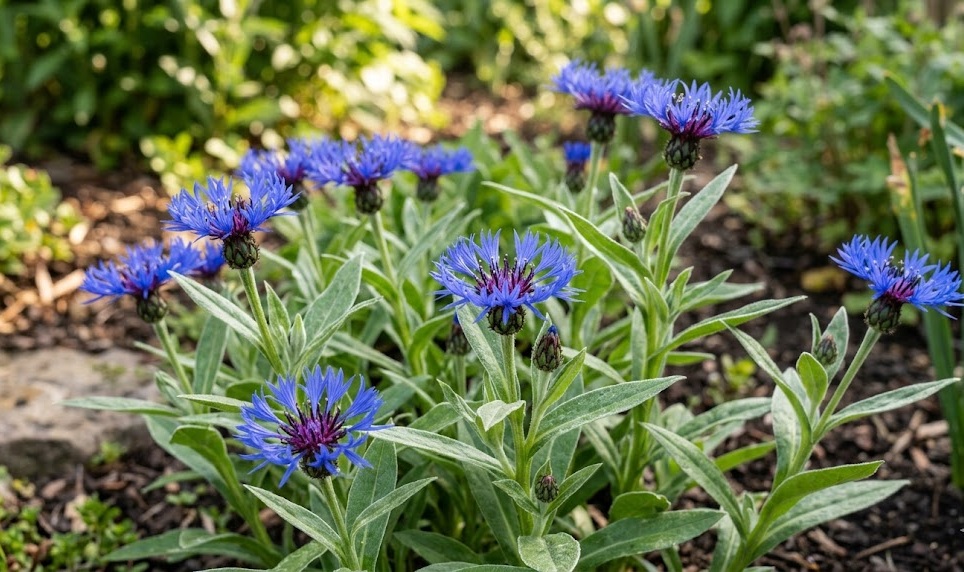

The mountain cornflower serves as a versatile anchor in various garden designs due to its reliable growth patterns. Its striking blue flowers provide a necessary contrast to the softer pastel tones often found in spring borders. Professional gardeners value this plant for its ability to bridge the gap between early spring bulbs and summer perennials. Understanding the nuances of its care ensures that this botanical asset remains healthy and prolific for many years.
The soil environment plays a fundamental role in determining the overall vigor and flower production of the plant. A well-draining substrate is essential to prevent the roots from sitting in stagnant water during the rainy months. While the species is quite adaptable, a slightly alkaline to neutral pH level often yields the most impressive results. Gardeners should avoid overly compacted clays that might restrict the natural expansion of the rhizomes.
Adequate spacing between plants is another factor that prevents many common issues related to air circulation and moisture. When individuals are crowded, they become more susceptible to mildew and other foliage-based complications that can diminish their appearance. Ideally, each plant should have enough room to reach its full spread without competing excessively with its neighbors. This foresight in planning leads to a much more manageable and aesthetically pleasing garden layout.
Consistent observation is the hallmark of a truly expert gardener when managing this particular species. Changes in foliage color or a sudden drop in bloom production are often the first signs that adjustments are needed. By catching these subtle cues early, one can modify watering or feeding schedules before the plant experiences significant stress. This proactive stance is what separates a thriving garden from one that merely survives the changing seasons.
Essential soil and nutrition management
Maintaining the right balance of nutrients is vital for sustaining the intense color of the blooms throughout the season. While the mountain cornflower is not an especially heavy feeder, it does benefit from occasional organic amendments. A thin layer of compost applied in early spring provides a slow-release source of energy for the emerging shoots. Over-fertilizing with high-nitrogen products should be avoided as it often leads to weak, floppy stems.
More articles on this topic
The physical structure of the soil must remain loose enough to allow for easy gas exchange between the roots and the atmosphere. Over time, garden beds can become compacted due to foot traffic or heavy rainfall, which hinders root development. Lightly aerating the area around the base of the plant can help maintain the necessary porosity for healthy growth. This simple maintenance task can drastically improve the plant’s resilience during periods of environmental stress.
Water management is closely tied to soil quality and is a critical component of professional care. The plant prefers consistent moisture but is surprisingly drought-tolerant once it has established a deep root system. During the height of summer, a deep watering once or twice a week is usually sufficient for mature specimens. Always aim the water at the base of the plant to keep the foliage dry and reduce the risk of disease.
Mulching is an effective strategy to regulate soil temperature and conserve moisture during the warmer months. A layer of shredded bark or leaf mold can protect the roots from the intense heat of the midday sun. This practice also helps suppress weed growth, which reduces competition for vital resources in the garden bed. Professionals recommend refreshing the mulch annually to ensure it continues to provide these protective benefits effectively.
Seasonal maintenance and aesthetic control
As the primary blooming period concludes, the plant requires specific attention to maintain its visual appeal and health. Deadheading, or the removal of spent flowers, encourages the plant to direct its energy into new growth rather than seed production. This practice can often stimulate a second, albeit smaller, flush of flowers later in the summer season. It also keeps the plant looking tidy and prevents it from self-seeding too aggressively across the landscape.
More articles on this topic
Mid-season pruning is another technique used by experts to manage the size and shape of the perennial. If the stems become too long and begin to sprawl over nearby plants, they can be cut back significantly. This “Chelsea chop” method results in a more compact and bushy habit that is less likely to collapse. The new growth that emerges will be sturdier and more resistant to mechanical damage from wind or rain.
Autumn care focuses on preparing the plant for the upcoming dormant period and the cold winter months. Once the foliage begins to yellow and die back naturally, it can be cleared away to prevent pests from overwintering. Leaving a small amount of debris can provide a natural habitat for beneficial insects, but excessive waste should be removed. This transition period is also an excellent time to evaluate the plant’s performance over the year.
The transition from late autumn to early winter involves minimal interference, allowing the plant to enter its natural rest state. Professional growers often leave the basal foliage intact if it remains green, as it provides a small amount of protection for the crown. In regions with particularly harsh winters, additional covering may be necessary to ensure survival. This careful preparation sets the stage for a vigorous return when the ground begins to warm in the spring.
Effective landscape integration and design
Integrating the mountain cornflower into a cohesive garden design requires an understanding of its growth habit and color palette. Its intense blue hue pairs exceptionally well with silver-foliaged plants or bright yellow perennials like coreopsis. Since it tends to spread via rhizomes, it is best suited for informal or cottage-style gardens where it can fill gaps. Placing it in the middle of a border allows its height to be showcased without obscuring smaller plants.
Consider the timing of other blooms in the vicinity to create a continuous display of color throughout the spring and summer. The cornflower typically peaks in late spring, making it a perfect companion for late-flowering tulips and early roses. By staggering the bloom times of neighboring plants, the garden maintains its interest even as individual species fade. This layered approach to design is a key element of high-end horticultural planning and execution.
The architectural form of the plant can also be used to create structure and movement within the garden space. Its lance-shaped leaves provide a textured backdrop for more delicate or fine-leaved species nearby. In larger drifts, the mountain cornflower creates a wave-like effect that draws the eye through the landscape. Utilizing the plant in groups rather than as isolated individuals often results in a much more powerful visual impact.
Long-term design success involves monitoring how the plant interacts with its environment over several growing seasons. Because it can be somewhat invasive in ideal conditions, it may eventually require containment or division to maintain the original design. Skilled gardeners use root barriers or regular thinning to ensure it remains a beneficial part of the composition. This proactive management allows the beauty of the cornflower to be enjoyed without it overwhelming the entire garden.
Monitoring plant health and vitality
Vigilance is necessary to identify potential health issues before they become systemic problems for the entire garden bed. Regularly inspecting the underside of the leaves can reveal early signs of pests like aphids or spider mites. These insects can weaken the plant and cause distorted growth if their populations are allowed to grow unchecked. Simple organic interventions are usually enough to manage these minor infestations if they are caught in the early stages.
Environmental stressors, such as extreme heat or unexpected drought, can also impact the vitality of the perennial. During such periods, the plant may show signs of wilting or leaf scorch even if the soil seems relatively moist. Providing temporary shade or increasing the frequency of deep watering can help the plant recover from these temporary setbacks. Understanding the limits of the species’ tolerance is essential for maintaining a professional-grade garden display.
The overall color and texture of the foliage are excellent indicators of the plant’s internal nutrient status. Pale or yellowing leaves often suggest a deficiency in nitrogen or an issue with the soil’s drainage capabilities. Conversely, excessively dark green foliage with few flowers might indicate an overabundance of nitrogen at the expense of bloom production. Adjusting the fertilization regimen based on these visual cues is a fundamental skill for any serious gardener.
Root health is perhaps the most critical yet least visible aspect of the plant’s overall well-alright. If the plant seems to be declining without an obvious cause, it may be necessary to gently inspect the crown for signs of rot. Soil that remains consistently waterlogged is the primary cause of root issues in this species. Ensuring proper drainage and avoiding over-watering are the best ways to protect the foundational health of the mountain cornflower.
Long term sustainability and garden life
Planning for the longevity of a perennial garden requires a strategic approach to plant replacement and rejuvenation. The mountain cornflower is a long-lived species, but its performance may decline after several years in the same location. Periodically lifting and dividing the clumps ensures that the plants remain vigorous and continue to produce high-quality blooms. This process also provides an opportunity to refresh the soil with new organic matter and nutrients.
Sustainability in the garden also involves reducing the need for chemical inputs by fostering a healthy ecosystem. By selecting native or well-adapted species like the cornflower, gardeners can minimize the use of pesticides and synthetic fertilizers. Encouraging natural predators and beneficial insects creates a self-regulating environment that requires less human intervention. This ecological approach to gardening is increasingly popular among professional horticulturists and environmentally conscious homeowners.
Water conservation is another key pillar of sustainable garden management that fits well with the cornflower’s needs. Once established, the plant’s ability to withstand dry spells makes it an ideal candidate for xeriscaping or low-water borders. Grouping plants with similar water requirements together allows for more efficient irrigation and reduces waste. This mindful use of resources is both cost-effective and beneficial for the local environment over the long term.
The legacy of a well-maintained garden is built on the consistent application of expert knowledge and care. As the mountain cornflower thrives, it contributes to the overall stability and beauty of the outdoor space. Its presence supports local pollinators and provides a sense of continuity as the seasons change year after year. Investing time in understanding this species pays dividends in the form of a resilient and breathtakingly beautiful garden.
Adapting to climate variations and change
Modern gardening requires an ability to adapt to increasingly unpredictable weather patterns and shifting climate zones. The mountain cornflower is remarkably hardy, but extreme fluctuations in temperature can still present significant challenges. Professionals are now looking for ways to provide extra protection during unseasonable cold snaps or prolonged heatwaves. This might involve the use of specialized row covers or more advanced irrigation systems designed for efficiency.
Soil moisture management becomes even more critical when facing periods of intense rainfall or extended drought. Improving the organic content of the soil enhances its ability to both retain moisture and drain effectively during heavy storms. This buffering capacity is essential for preventing root stress and maintaining the structural integrity of the garden bed. A resilient soil foundation is the best defense against the vagaries of a changing climate.
Selecting the right micro-climates within a garden can also mitigate some of the effects of regional climate shifts. Planting the cornflower in areas with morning sun and afternoon shade may help it cope with rising summer temperatures. Conversely, placing it in a more sheltered spot can protect it from the drying effects of increased wind activity. These subtle placement decisions have a profound impact on the long-term health and success of the planting.
Ultimately, the goal is to create a garden that can thrive under a wide range of environmental conditions. The mountain cornflower’s inherent toughness makes it a valuable player in this effort to build a sustainable future. By continuing to refine care techniques and monitor plant responses, gardeners can ensure this classic species remains a staple. The intersection of traditional knowledge and modern adaptation is where true horticultural expertise is found.