
Understanding the light requirements of mountain sandwort is essential for achieving the dense growth and spectacular floral display this plant is known for. As a species native to open, sun-drenched alpine regions, it has evolved to thrive in high-intensity light environments. However, the interaction between light and temperature in a typical garden setting can be complex, requiring a thoughtful approach to placement. Providing the right balance of sun and shade ensures that your sandwort remains compact and healthy throughout the changing seasons.
The importance of full sun exposure
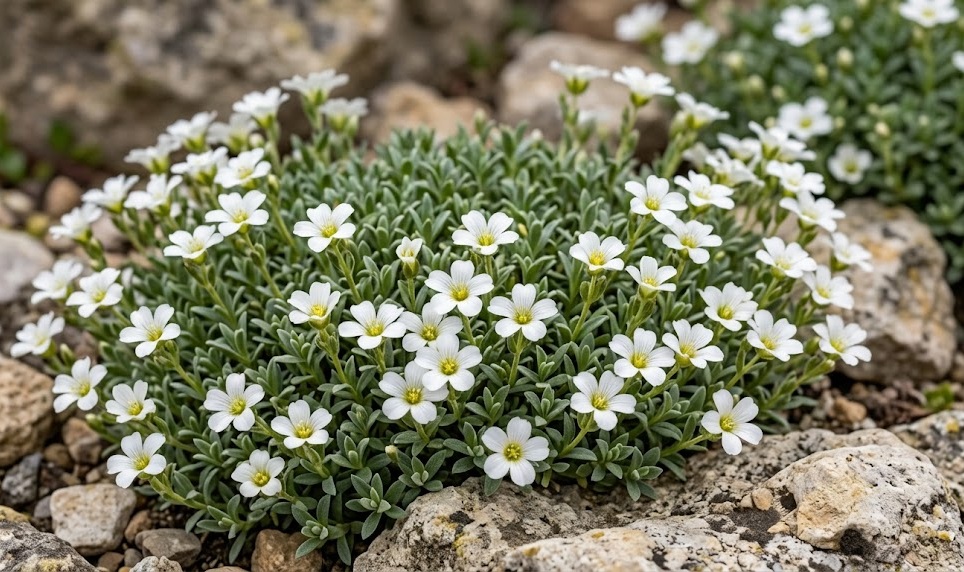
To see mountain sandwort at its absolute best, a location with full sun exposure is generally the ideal choice. In horticultural terms, this means the plant should receive at least six to eight hours of direct sunlight every day. This high level of light is what fuels the energy-intensive process of producing hundreds of small, brilliant white flowers. Without enough sun, the plant will become “leggy,” with long, weak stems that fail to form a tight, attractive mat.
Full sun also plays a critical role in maintaining the health of the evergreen foliage during the winter months. Even when the plant is dormant, the leaves continue to process light at a low level, which helps it maintain its structural integrity. In a shady spot, the plant is much more likely to experience thinning and dieback during the darker months of the year. Placing your sandwort in a bright, open area ensures it has the energy reserves it needs to survive the winter and bounce back in the spring.
The quality of the light is just as important as the duration, with morning sun being particularly beneficial. Morning light provides the energy the plant needs to start its metabolic processes for the day without the intense heat of the afternoon. In regions with very hot summers, a spot that gets full morning sun and a bit of filtered light in the late afternoon can be perfect. This prevents the plant from overheating while still providing the total light energy it requires.
Finally, full sun exposure helps to keep the foliage dry, which is a major factor in preventing fungal diseases. Sunlight quickly evaporates any dew or rain that gets trapped within the dense mats of the plant. By keeping the environment relatively dry, the sun acts as a natural disinfectant that protects the sandwort from rot and mold. For this reason, sun-loving plants like sandwort are much easier to maintain in bright, open landscapes than in enclosed or shaded gardens.
More articles on this topic
Managing light in hot and shaded environments
While mountain sandwort loves the sun, extreme heat combined with high light intensity can sometimes be a challenge. In very hot climates, the intense midday sun can cause the soil to dry out too quickly, putting the plant under significant stress. If you live in an area with scorching summers, you might need to provide a little bit of tactical shade during the hottest part of the day. This can be achieved by planting it near a taller, airy perennial that provides a moving, dappled shadow.
If you try to grow mountain sandwort in a truly shaded area, such as under a dense tree canopy or on the north side of a tall wall, you will likely be disappointed. In these conditions, the plant will lose its compact, dome-like shape as it stretches toward whatever light it can find. The leaves may become a paler green, and the number of flowers will be drastically reduced or disappear entirely. Shady spots also tend to stay damp for longer, which increases the risk of the dreaded crown rot.
For gardens that have a mix of sun and shade, you should prioritize the brightest spots for your sandwort. If you only have partial shade available, look for “bright shade” or “filtered light” rather than deep, dark shade. Areas that receive reflected light from a white wall or a light-colored patio can also be surprisingly effective. These microclimates can provide enough total light energy to keep the plant healthy even if it doesn’t get many hours of direct sun.
If you notice your sandwort is starting to look sparse or “reaching” in one direction, it is a clear sign that it is not getting enough light. In this case, the best professional advice is to move the plant to a brighter location as soon as possible. Transplanting it to a sunnier spot in the early spring can completely revitalize a struggling plant. Observing how the light moves across your garden throughout the year will help you find the perfect permanent home for this sun-loving species.
More articles on this topic
Adapting light levels for different life stages
The light requirements of mountain sandwort can vary slightly depending on whether the plant is a young seedling or a mature established mat. For very young plants grown from seed or cuttings, direct, intense sunlight can sometimes be a bit overwhelming. During their first few weeks of growth, these young specimens benefit from bright but indirect light to prevent wilting. Gradually increasing their exposure to the sun over a week or two, a process called hardening off, is essential before planting them in their final sunny location.
During the peak flowering season, the plant’s demand for light is at its absolute maximum. This is the time when even a small amount of shade can significantly reduce the impact of the floral display. If you have movable structures in your garden, like umbrellas or potted trees, make sure they don’t block the light from your sandwort during April and May. Every extra hour of sun during this period translates into more flowers and a more vibrant carpet of white.
After the blooming is over and the plant enters the heat of summer, its light needs become a bit more flexible. While it still needs plenty of sun to grow its evergreen foliage, it is less “hungry” for energy than it was during the flowering phase. This is the time to ensure that the plant is not being scorched by reflected heat from nearby concrete or stone surfaces. A little bit of late afternoon shade can actually be a relief for the plant during a July heatwave.
In the autumn and winter, every bit of sunlight is precious as the days grow shorter and the light becomes less intense. Ensure that no tall weeds or fallen leaves are shading your sandwort during the winter months. Keeping the foliage clear and exposed to the winter sun helps the plant stay healthy and ready for the first warmth of spring. By managing the light levels throughout the year, you can ensure that your mountain sandwort remains a spectacular highlight of your garden.