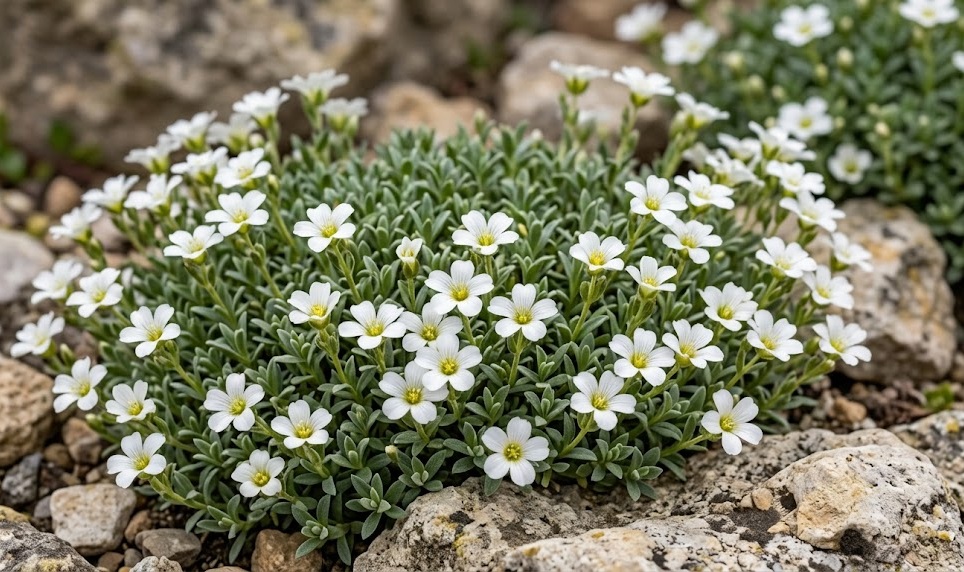

Preparing mountain sandwort for the winter months is a vital task for any gardener who wants to see their evergreen mats return with vigor in the spring. While this species is naturally adapted to cold alpine environments, the fluctuating conditions of a typical garden can present unique challenges. Frost heaving, desiccating winds, and excessive winter moisture are the primary threats that must be managed. A professional approach to overwintering ensures that the foliage remains green and the root system stays protected until the first warmth of the new season arrives.
Assessing winter hardiness and risks
The first step in a successful overwintering strategy is understanding the specific climate zone and local conditions of your garden. Mountain sandwort is generally very hardy, often surviving temperatures well below freezing without significant damage. However, its survival is not just about the absolute low temperature but also about the stability of the environment. Rapid shifts between freezing and thawing can be more damaging than a consistent, deep cold.
One of the biggest risks during winter is “frost heaving,” which occurs when the soil repeatedly freezes and expands, then thaws and contracts. This movement can actually push the shallow roots of the sandwort out of the ground, exposing them to the air and causing them to dry out. This is especially common in heavier soils that hold a lot of moisture. Monitoring your plants after a hard freeze is essential to ensure they remain firmly tucked into the earth.
The evergreen nature of the plant means that it continues to lose moisture through its leaves even in the middle of winter. If the ground is frozen solid, the roots cannot take up water to replace what is lost to the cold, dry winds. This leads to winter desiccation, where the foliage turns brown and brittle, looking as though it has been burned. Plants in exposed, windy locations are at the highest risk for this type of seasonal damage.
Excessive moisture is perhaps the most dangerous winter threat for this alpine native. In many regions, winters are not just cold but also very wet, leading to saturated soil that can quickly rot the roots and crown. Mountain sandwort can handle extreme cold, but it cannot handle “cold and wet” simultaneously for long periods. Ensuring your planting site has impeccable drainage is the single most important factor in its winter survival.
More articles on this topic
Protective measures and mulching
Applying a winter mulch is one of the most effective ways to protect your sandwort from the extremes of the season. Unlike the organic mulches used in summer, a winter mulch for alpine plants should be light and airy. Fine gravel or stone chippings are ideal because they provide a stable thermal layer without trapping excessive moisture against the foliage. A layer of about two to three centimeters is usually sufficient to stabilize the soil temperature and prevent frost heaving.
In very cold or exposed areas, you might consider using evergreen boughs or a light layer of straw as an additional protective cover. These materials trap a layer of insulating air around the plant and shield the foliage from the harshest winter sun and wind. It is important not to use heavy materials like matted leaves or thick compost, as these will suffocate the evergreen leaves and encourage rot. The cover should be “breathable” to allow for some air movement even during the coldest weeks.
If you are growing mountain sandwort in containers, they require a bit more attention during the winter months. Pots are much more exposed to the cold than the ground, and the root ball can freeze through very quickly. You can protect container-grown plants by wrapping the pots in burlap or bubble wrap to provide extra insulation. Moving the containers to a more sheltered location, such as against a south-facing wall or under a porch, can also make a significant difference.
Snow is actually an excellent natural insulator for mountain sandwort, providing a consistent temperature and protecting it from the wind. If you have a steady snow cover, your plants are likely very safe and comfortable underneath it. However, be careful when clearing snow from paths and driveways; avoid piling heavy, salted snow on top of your sandwort mats. The weight can crush the delicate stems, and the salt can be toxic to the plant as it melts into the soil.
More articles on this topic
Hydration and monitoring during dormancy
While the plant is dormant, its metabolic processes slow down significantly, but it is not completely inactive. You should check the moisture levels of the soil during any mid-winter thaws, especially if there has been little snowfall. If the ground is not frozen and the soil feels bone-dry, a light watering can prevent the roots from desiccating. This is particularly important for plants growing in the rain shadow of a building or under large evergreen trees.
Monitoring the physical condition of the mat throughout the winter allows you to catch any early signs of trouble. If you see the plant being lifted by frost, gently firm the soil back around the roots as soon as it thaws. If the foliage starts to look unusually pale or brown, it may be a sign that the winter protection needs to be adjusted. A quick walk through the garden after a storm ensures that your protective covers are still in place and doing their job.
The transition from winter to spring is often the most dangerous time for mountain sandwort. As the sun gets stronger, the foliage may begin to wake up and start photosynthesizing before the ground has fully thawed. This creates a severe water deficit that can kill an otherwise healthy plant in just a few days. Keeping the protective covers in place until the ground is consistently thawed helps prevent this late-season stress.
It is also important to resist the urge to fertilize too early in the year. Applying nutrients while the ground is still cold can encourage premature growth that will be easily damaged by a late spring frost. Wait until you see the first signs of natural new growth and the threat of severe freezing has passed. Patience during the late winter and early spring is a hallmark of a professional approach to perennial care.
Post-winter recovery and spring cleanup
Once the threat of hard frost has passed and the soil begins to warm, it is time to remove the winter protection. Do this gradually, perhaps over a period of a week, to allow the plants to acclimate to the increased light and air. This is the perfect time to assess how well the sandwort survived the winter and identify any areas that need attention. A healthy plant will quickly regain its vibrant green color as the days grow longer.
The first task of spring is a gentle cleanup of the foliage and the surrounding soil. Carefully remove any dead leaves, twigs, or debris that may have accumulated within the mat during the winter. This cleanup improves the appearance of the plant and, more importantly, increases the airflow around the crown to prevent spring fungal issues. You can also lightly brush the foliage to remove any dirt or grit that was splashed onto the leaves by winter rains.
If you notice any brown or dead patches in the mat, these should be carefully pruned away to make room for new growth. Mountain sandwort is quite resilient and will often fill in small gaps relatively quickly as the weather warms up. If a large section has died, you may need to divide the healthy parts of the plant and replant them to fill the void. This early spring intervention ensures that the plant looks its best for the upcoming blooming season.
Finally, take a moment to reflect on your overwintering success and make notes for the following year. Did the gravel mulch work well? Were the evergreen boughs necessary? This kind of professional self-reflection allows you to refine your techniques and provide even better care in the future. With a solid overwintering plan, your mountain sandwort will remain a permanent and beautiful feature of your landscape for many years to come.

