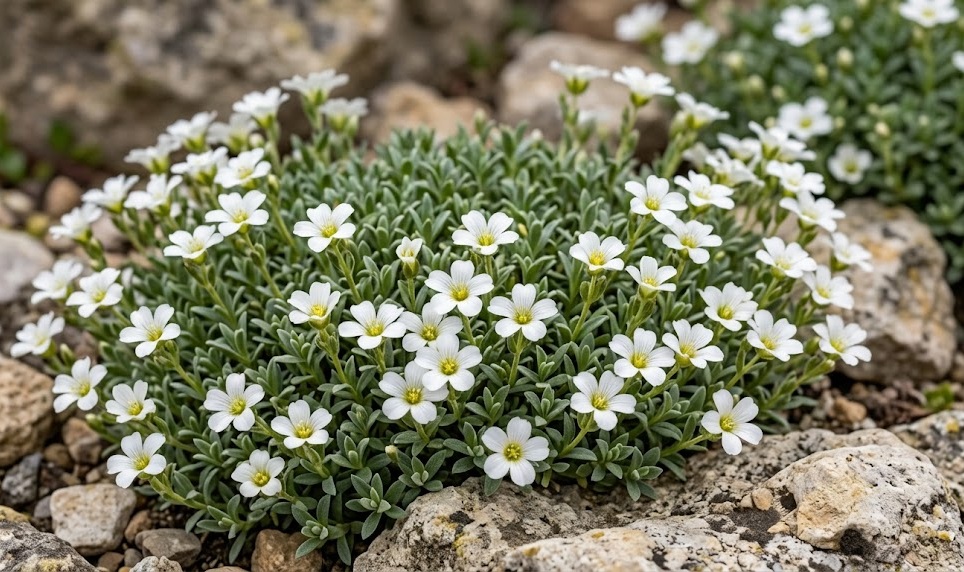

Maintaining a thriving carpet of mountain sandwort requires a nuanced understanding of its specific environmental preferences and growth habits. This evergreen perennial is prized for its ability to transform rocky outcrops and garden borders into a sea of brilliant white blossoms during the spring months. However, achieving this level of horticultural success involves more than just basic planting and occasional oversight. A dedicated approach to its long-term health ensures that the plant remains vigorous and aesthetically pleasing for many years.
Creating the ideal growth environment
The first step in caring for this resilient groundcover is selecting a location that mimics its natural alpine habitat. These plants naturally thrive in high-altitude regions where the air is cool and the soil provides exceptional drainage. In a domestic garden setting, this means avoiding heavy clay soils that tend to retain moisture for extended periods during the winter. You should prioritize areas with sandy or gravelly textures that allow water to move freely away from the root system.
Soil pH also plays a significant role in the overall vitality of the plant throughout the growing season. While it is somewhat adaptable, a neutral to slightly alkaline soil profile usually yields the most robust growth and flower production. If your garden soil is naturally acidic, consider incorporating a small amount of garden lime to balance the environment. This adjustment helps the plant access essential minerals more efficiently, leading to stronger stems and more vibrant foliage.
Air circulation is an often overlooked aspect of caring for low-growing perennials that form dense mats. Because mountain sandwort grows so closely to the ground, it can become susceptible to fungal issues if the air remains stagnant. Position your plants in an open area where breezes can naturally move through the garden space. This simple placement strategy significantly reduces the risk of leaf rot and other moisture-related complications that can arise in humid climates.
Finally, consider the competition from surrounding vegetation when planning your maintenance routine. Since this plant has a low-growing, spreading habit, it can easily be overwhelmed by aggressive weeds or taller neighboring perennials. Regularly clearing the immediate area of invasive species ensures that the sandwort has enough space to expand its footprint. Keeping the perimeter clean also prevents larger plants from casting unwanted deep shade over the sun-loving foliage.
More articles on this topic
Managing seasonal growth patterns
As spring approaches, you will notice a surge in new growth as the plant prepares for its primary blooming phase. This is the critical window where the most intensive care is required to support the upcoming floral display. Observing the density of the foliage during this time allows you to identify any patches that may need extra attention or thinning. Healthy new growth should appear bright green and feel firm to the touch as it emerges from the center.
Once the initial flush of flowers begins to fade, the plant enters a secondary phase of vegetative expansion. During this period, the focus shifts from supporting blooms to encouraging a strong, healthy root system for the heat of summer. It is important to monitor the plant for any signs of stress, such as yellowing leaves or a thinning canopy. Proactive care during the post-bloom stage ensures that the plant stores enough energy to survive the dormant winter months.
In the height of summer, the growth rate typically slows down as the plant manages the challenges of high temperatures. You should avoid any heavy interventions during this time, as the plant is focused on moisture conservation and heat tolerance. Maintaining a consistent environment without drastic changes helps the sandwort stay resilient during heatwaves. Most gardeners find that minimal interference during July and August produces the best results for long-term survival.
Autumn brings another shift in the care cycle as the plant prepares for the colder months ahead. This is the time to clear away any fallen debris from neighboring trees that might suffocate the evergreen mats. Trapped leaves can hold moisture against the foliage, which often leads to localized dieback during the wet autumn rains. Ensuring the plant is clean and exposed to the cool air helps it harden off properly before the first hard frost arrives.
More articles on this topic
Enhancing aesthetic appeal through maintenance
Maintaining the visual integrity of a mountain sandwort carpet requires a keen eye for detail and regular grooming. One of the most effective ways to keep the plant looking fresh is to remove spent flowers once the blooming season has concluded. This process, often referred to as deadheading, prevents the plant from diverting energy into seed production. Instead, that energy is redirected back into the roots and foliage, resulting in a denser and more attractive mat.
The compact nature of the plant means that any imperfections, such as dead patches or brown edges, are quite noticeable. Regularly inspect the interior of the mat to ensure that the older growth is not becoming too woody or sparse. If you notice the center of the plant beginning to die out, it may be time for a more thorough rejuvenation. Lightly brushing through the foliage with your fingers can help remove dry needles and debris that accumulate over time.
Strategic placement of decorative mulch can also enhance the appearance of the plant while serving a practical purpose. Using small river stones or pea gravel around the base of the plant creates a beautiful contrast with the dark green leaves. This aesthetic choice also mimics the natural rocky terrain where the species originated, providing a professional look to the garden. The stones also help keep the foliage off the damp soil, which maintains the cleanliness of the white flowers.
Consistency in your maintenance routine is the secret to a professional-grade garden display. Rather than performing intensive care once a year, smaller and more frequent check-ups are much more effective. Take a few minutes each week to observe the plant’s progress and address any minor issues immediately. This proactive approach prevents small problems from escalating into significant health crises that could ruin the visual impact of the garden.
Long-term health and rejuvenation strategies
Even with the best daily care, mountain sandwort may eventually require more significant intervention to maintain its vigor. Most mats will perform beautifully for several years before they begin to show signs of age or overcrowding. When the plant starts to lose its characteristic dome shape or becomes too leggy, it is time to consider rejuvenation. This typically involves lifting and dividing the plant to start fresh with younger, more energetic sections.
The timing of these rejuvenation efforts is crucial for the successful recovery of the species. Early spring, just as the first signs of growth appear, is generally considered the best window for major work. During this time, the weather is cool and the soil is moist, which reduces the transplant shock for the delicate roots. By intervening at the start of the season, you give the plant a full year to establish itself before the next winter.
Soil exhaustion can also become an issue for plants that have remained in the same spot for a decade or more. If you notice that your sandwort is no longer responding to standard care, the soil may be depleted of micronutrients. Incorporating a small amount of fresh compost or specialized rock garden substrate during the rejuvenation process can revitalize the area. This ensures that the new divisions have the necessary building blocks to grow into a lush, healthy carpet.
Professional gardeners often use a rotation system to ensure that there are always healthy plants in the landscape. By dividing a portion of your sandwort every few years, you create a cycle of young and old plants that keeps the garden looking full. This strategy also provides you with extra plants that can be used to fill in gaps or expand your borders. Managing the age of your plant collection is a hallmark of an expert horticultural approach.
Monitoring environmental stressors and responses
Understanding how your mountain sandwort reacts to environmental fluctuations is a key component of advanced care. Temperature swings, unusual rainfall patterns, and unexpected wind levels can all impact the health of the foliage. By observing these changes, you can adjust your care routine to mitigate any negative effects before they become permanent. A plant that looks slightly wilted in the evening may just be reacting to a particularly sunny day.
High humidity is perhaps the most challenging environmental factor for this alpine native to handle. In regions with muggy summers, the dense foliage can trap moist air, creating a breeding ground for pathogens. You might need to provide extra space between plants in these climates to facilitate better airflow. Monitoring the weather forecast allows you to prepare for periods of high humidity by ensuring the soil is not overly saturated.
Wind exposure is generally well-handled by this low-profile plant, but extreme winter winds can cause desiccation. If your garden is in a very exposed location, the evergreen leaves might turn brown as they lose moisture faster than the roots can replace it. Providing a light, airy cover or a temporary windbreak during the coldest months can prevent this cosmetic damage. Keeping the plant hydrated during dry autumns also builds up a moisture reserve that helps it withstand winter winds.
The impact of urban environments, such as salt spray near roads or heat radiation from concrete, should also be considered. If your sandwort is planted near a driveway or sidewalk, it may encounter higher levels of pollutants or reflected heat. Regularly rinsing the foliage with clean water can remove dust and salt buildup that might interfere with photosynthesis. Being mindful of these modern stressors ensures that your plants remain healthy even in less-than-ideal locations.
Integrating sandwort into a professional landscape
From a design perspective, caring for mountain sandwort involves ensuring it complements the broader aesthetic of your garden. It serves as an excellent “filler” plant that softens the hard edges of stone walls and pathways. When maintained properly, it flows over obstacles like a living liquid, creating a sense of movement in the landscape. Careful guiding of the growth path ensures that it stays within its intended boundaries without becoming invasive.
Pairing sandwort with the right companion plants makes the overall care routine much more efficient. Choose neighbors that share similar requirements for sun and drainage to avoid conflicting maintenance needs. For example, planting it alongside blue fescue or creeping thyme creates a low-maintenance, drought-tolerant zone. This grouping allows you to apply the same watering and feeding schedule to an entire section of the garden.
The use of containers for mountain sandwort is an increasingly popular way to showcase its beauty on patios and balconies. Caring for container-grown specimens requires a bit more attention to moisture levels, as pots dry out faster than the ground. Ensure that your containers have large drainage holes and are filled with a high-quality, gritty potting mix. This setup allows you to enjoy the plant in areas where the natural soil might be unsuitable.
In larger landscapes, using sandwort as a mass planting can create a stunning visual impact during the blooming season. The care for such a large area is actually quite streamlined if the initial preparation was done correctly. Once the mats have knitted together, they act as a natural mulch that suppresses weeds and retains soil moisture. A large, healthy expanse of mountain sandwort is a testament to the skill and dedication of the gardener in charge.
Professional tools and techniques for care
Using the right tools can make the maintenance of your mountain sandwort much more precise and enjoyable. For fine grooming, a pair of sharp floral snips is essential for removing spent flowers without damaging the surrounding foliage. Avoid using large shears for general maintenance, as they can be too clumsy for the delicate stems of this perennial. Precision tools allow you to maintain the tight, compact form that is so characteristic of the species.
Soil testing kits are another valuable resource for the serious gardener who wants to optimize growth. Knowing the exact nutrient levels and pH of your soil takes the guesswork out of your fertilization and amendment strategy. These tests should be performed every few years to monitor how the soil chemistry changes over time. Armed with this data, you can make informed decisions that directly contribute to the long-term success of your plants.
Moisture meters can help you determine exactly when the plant needs water, preventing the common mistake of overwatering. While mountain sandwort is drought-tolerant, it does appreciate consistent moisture during its active growth phases. A meter allows you to check the moisture levels deep near the roots where it matters most. This technical approach ensures that the plant is never under undue stress from either drought or saturation.
Finally, keeping a garden journal can be a transformative part of your care routine. Documenting the bloom dates, weather patterns, and any interventions you make provides a historical record of what works best for your specific site. Over time, this personal database becomes more valuable than any general gardening guide. It allows you to refine your techniques and anticipate the needs of your mountain sandwort with professional-level accuracy.