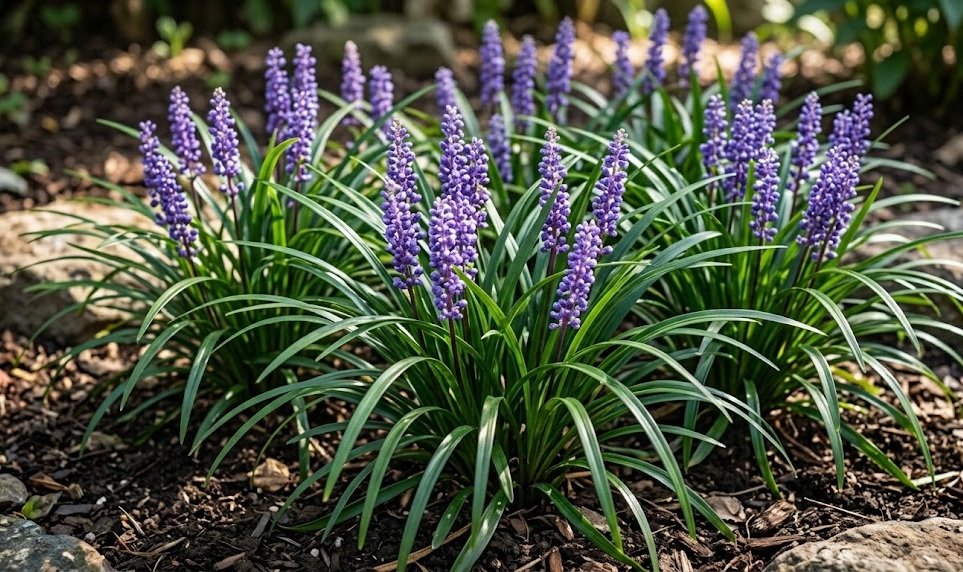

Mastering the balance of water and nutrients is the key to maintaining the professional appearance of lilyturf in any setting. While these plants are often marketed as drought-tolerant, they only reach their full potential with consistent and strategic hydration. Fertilization acts as the fuel for growth, ensuring that the leaves remain dark green and the flowers are abundant. Understanding the specific physiological needs of this perennial allows you to create a management plan that is both efficient and effective.
Establishing a watering routine is particularly critical during the first year after the plants have been introduced to the garden. Young plants do not yet have the deep root systems required to find moisture during dry spells in the summer. During this establishment phase, you are building the foundation for the plant’s future resilience and long-term health. A proactive approach to hydration will prevent the stunted growth that often plagues neglected garden beds.
Fertilization is not a “one size fits all” task and should be tailored to the specific nutrient profile of your local soil. Over-fertilizing can be just as damaging as under-fertilizing, leading to excessive foliage growth at the expense of root strength. Experts recommend a balanced approach that provides the necessary elements without overwhelming the plant’s natural systems. Using the right products at the right time is the hallmark of a professional horticulturalist.
Seasonal changes in weather patterns require the gardener to be flexible with both watering and feeding schedules. In the heat of summer, the plant’s metabolic rate increases, and its demand for resources grows accordingly. Conversely, during the dormant winter months, these needs drop significantly, and over-care can lead to problems like root rot. Learning to read the signs given by the plant will help you make these necessary adjustments throughout the year.
Establishing a hydration schedule
The frequency of watering depends heavily on the type of soil and the amount of sun the lilyturf receives each day. In sandy soils that drain quickly, you may need to water more often than in heavy clay soils that hold moisture longer. A good rule of thumb is to aim for about an inch of water per week, including any natural rainfall that occurs. This consistent moisture keeps the plant’s cells turgid and the leaves looking their best.
More articles on this topic
Watering early in the morning is the most professional way to manage hydration in the garden. This allows the water to soak into the root zone before the heat of the day causes significant evaporation from the surface. It also ensures that any water that gets on the leaves has time to dry before evening, reducing the risk of fungal growth. Morning watering is a simple habit that pays big dividends in terms of plant health and water efficiency.
Deep watering is far more effective than frequent, shallow sprinkles that only wet the surface of the soil. By providing a deep soak, you encourage the roots to grow downward in search of moisture, making the plant more drought-resistant. Shallow watering keeps the roots near the surface where they are more vulnerable to heat and rapid drying. Professional irrigation systems are often designed to deliver water slowly over a longer period for this very reason.
Drip irrigation is the gold standard for watering lilyturf in a large landscape or commercial installation. This system delivers water directly to the base of the plant, minimizing waste and keeping the foliage completely dry. It is an efficient way to manage a large number of plants without the labor-intensive task of hand-watering each clump. Investing in a simple drip system can save significant time and money over the lifespan of the garden.
Soil moisture management
Managing soil moisture is an art that involves more than just adding water; it involves monitoring the soil’s physical state. You can check the moisture levels by sticking your finger a few inches into the soil near the base of the plant. If the soil feels dry at that depth, it is time to water; if it feels wet, you should wait a few days. This hands-on approach is often more accurate than relying on a fixed schedule or a basic timer.
More articles on this topic
The use of organic mulch is one of the best ways to manage soil moisture levels naturally and effectively. A good mulch layer acts as a barrier, slowing down the evaporation of water from the soil surface into the air. It also helps to keep the soil temperature cooler, which further reduces the plant’s water needs during the summer. Mulch is a professional tool that works silently to support your watering efforts around the clock.
In areas with heavy clay soil, the challenge is often preventing the soil from becoming waterlogged after a storm. Compacted clay can trap water around the roots, cutting off the oxygen supply and leading to root death. Incorporating organic matter like compost can help break up the clay and improve the overall drainage of the site. This long-term soil improvement is the most effective way to manage moisture in difficult environments.
On the other hand, extremely sandy soils may require the addition of water-holding crystals or more frequent applications of compost. These amendments help the soil retain moisture long enough for the plant’s roots to absorb what they need for growth. Understanding the limitations of your soil type allows you to make the necessary interventions for success. Constant monitoring is the only way to ensure that the moisture levels remain in the ideal range.
Nutrient requirements
Lilyturf is not a heavy feeder, but it does require a steady supply of basic nutrients to maintain its lush appearance. Nitrogen is the most important element for leaf growth and is responsible for the deep green color of the foliage. Phosphorus supports strong root development, which is essential for the plant’s ability to survive environmental stress and drought. Potassium helps with overall plant health and improves the plant’s resistance to diseases and cold temperatures.
A balanced, slow-release fertilizer is usually the best choice for providing these nutrients over an extended period. These products release their elements gradually, mimicking the natural breakdown of organic matter in the forest floor. This prevents the “flush” of weak growth that can occur with high-intensity, quick-release chemical fertilizers. Slow-release options are safer for the plant and better for the environment as they reduce nutrient runoff.
If you prefer organic gardening, well-composted manure or high-quality garden compost can provide all the nutrients the plant needs. Spreading a thin layer of compost around the base of the plants in the spring is a great way to feed them. This not only adds nutrients but also improves the soil structure and encourages beneficial microbial activity in the ground. Organic feeding builds long-term soil health that supports the entire garden ecosystem.
Be careful not to over-apply fertilizer, especially in late summer or early autumn, as this can stimulate new growth. This tender new growth may not have enough time to harden off before the first frost of the winter. This can lead to significant cold damage that will make the plant look unsightly in the following spring. Professional fertilization is always timed to work with the plant’s natural growth cycle rather than against it.
Application timing
The best time to apply fertilizer to lilyturf is in the early spring, just as the new growth begins to emerge. This gives the plant the resources it needs to produce a strong flush of healthy, vibrant leaves for the season. A second, lighter application can be made in early summer if the plant seems to be struggling or if the soil is very poor. This two-step approach ensures that the plant has consistent access to nutrients during its peak growing period.
Avoid fertilizing during the middle of a hot, dry summer when the plant is already stressed by high temperatures. Adding nutrients during this time can force the plant to grow when it should be focusing on survival and moisture conservation. If the soil is dry, always water the area thoroughly before and after applying any granular fertilizer products. This helps to prevent “root burn” and ensures that the nutrients are carried down into the soil where they are needed.
In the autumn, the plant’s metabolic activity slows down as it prepares for the dormant winter months ahead. Fertilizing at this time is generally unnecessary and can even be counterproductive by encouraging late-season growth. Instead, focus on adding a fresh layer of mulch to protect the roots and conserve the existing soil nutrients. Professional timing ensures that every gram of fertilizer is used effectively by the plant for its intended purpose.
If you are using a liquid fertilizer, it can be applied more frequently but at a much lower concentration than granular products. Liquid feeding is often used for container-grown plants or in high-visibility areas where rapid results are desired. However, for large-scale landscape beds, granular applications are usually more practical and cost-effective for the gardener. Consistency in timing is more important than the specific brand of fertilizer you choose to use.
Correcting imbalances
Sometimes, despite your best efforts, the lilyturf may show signs of a nutrient imbalance or a chemical problem in the soil. Yellowing leaves with green veins, known as chlorosis, often indicate an iron deficiency or a soil pH that is too high. This is a common issue in areas with limestone-rich soil or where alkaline water is used for irrigation. Identifying these symptoms early allows you to take corrective action before the plant’s health is severely compromised.
If you suspect a nutrient issue, the most professional next step is to perform a comprehensive soil test. This will tell you exactly which elements are missing and what the current pH level of your garden bed is. Without a test, you are just guessing, which can lead to further imbalances if you add the wrong products to the soil. Soil testing is a small investment that can save you a lot of frustration and money in the long run.
Correcting a high pH can be done by adding elemental sulfur or iron sulfate to the soil around the base of the plants. These products work slowly to lower the pH, making existing nutrients more available to the plant’s root system. It may take several months to see a change in the foliage, so patience is required during this corrective phase. Regular monitoring will help you determine if further applications are necessary to reach the target pH.
In some cases, the problem may not be a lack of nutrients but rather a toxicity caused by over-application of chemicals. This can manifest as scorched leaf edges or a sudden decline in the overall vigor of the plant clumps. If this happens, flushing the soil with large amounts of clean water can help wash away the excess salts and minerals. Learning from these mistakes is part of the journey toward becoming an expert in the care of these resilient perennials.