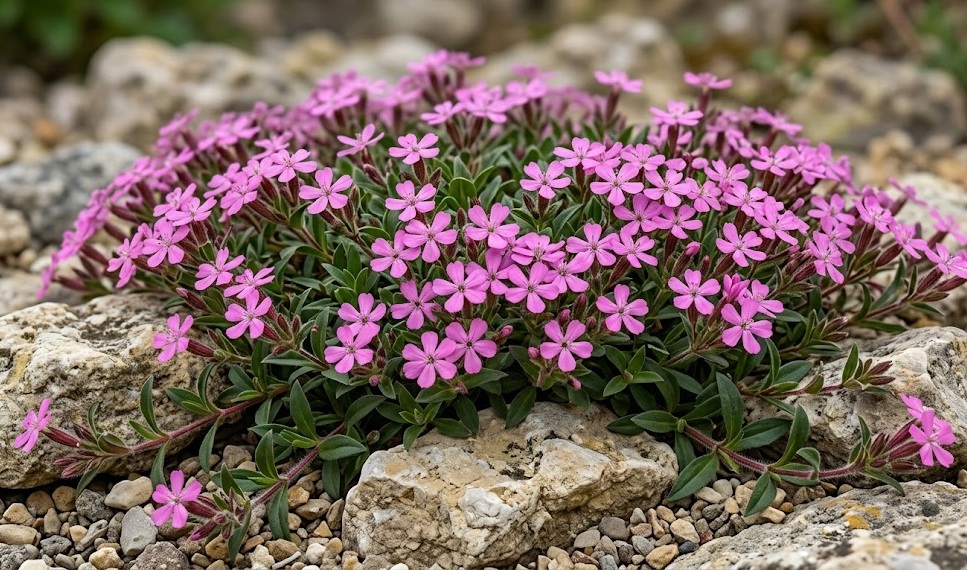

Preparing your rock soapwort for the challenges of the winter season is a crucial step in ensuring its longevity and spring performance. Although this plant is an alpine native with a natural ability to withstand cold temperatures, it can still be vulnerable to certain winter conditions such as ice buildup and freeze-thaw cycles. You must take a few proactive steps in late autumn to help the plant transition into its dormant state safely and securely. By understanding the specific risks associated with your local climate, you can provide the right level of protection to ensure your groundcover returns with full vigor.
Preparing for the first frost
As the days grow shorter and the temperatures begin to drop, you should start the process of winding down the plant’s active growth phase. The first step in this preparation is to stop all fertilization by late summer to ensure that any new growth has time to harden off before the freezing weather arrives. Tender green stems that are still actively growing when the first frost hits are much more likely to suffer from tissue damage and dieback. You want the plant to be in a stable, mature state as it enters the colder months of the year.
Cleanliness is also vital during this transition period, so you should take the time to clear away any fallen leaves from nearby trees that might be covering the soapwort. If left in place, these leaves can trap moisture against the foliage and create a perfect environment for rot and fungal issues during the winter. You want to ensure that the crown of the plant has good air circulation and is not smothered by wet organic debris. A tidy garden bed is much less likely to harbor pests and diseases that could survive the winter and emerge in the spring.
You might also consider a very light trim of any excessively long or unruly stems that might be prone to breakage under the weight of snow or ice. However, you should avoid heavy pruning at this time, as the remaining foliage provides a natural layer of insulation for the plant’s central crown. Just focus on removing any dead or diseased material that could act as a source of infection during the damp winter weather. This minimal intervention helps the plant maintain its structural integrity throughout the dormant period.
Finally, check the soil around the base of the plant to ensure it hasn’t washed away or become overly compacted during the autumn rains. If the roots are exposed, you should gently pull some soil or grit back over them to protect them from direct contact with freezing air. Ensuring the plant is securely anchored and its “toes” are covered is a simple but effective way to prevent winter desiccation. These small tasks in the late fall set the stage for a stress-free winter for both you and your soapwort.
More articles on this topic
Mulching and insulation
In regions where the winter temperatures regularly drop well below freezing, a light application of mulch can provide an extra layer of security for your rock soapwort. You should choose an inorganic mulch like gravel or small stones, as these are excellent at regulating temperature without trapping excessive moisture around the stems. This type of mulch mimics the plant’s natural habitat and helps to prevent the ground from heaving during sudden temperature changes. A thin layer is usually all that is needed to protect the delicate root system from the harshest cold.
If you live in a climate with very little snow cover but intense cold, you might consider using a more breathable insulating material like evergreen boughs. These can be laid over the top of the soapwort patches to provide a windbreak and a bit of extra warmth without cutting off air circulation completely. Unlike heavy organic mulches or plastic covers, evergreen branches allow moisture to escape and air to flow, which is critical for preventing rot. This “humanized” approach to insulation uses natural materials to work in harmony with the plant’s needs.
The timing of mulch application is just as important as the material you choose to use in your garden. You should wait until the ground has actually started to freeze before applying any extra insulation to the surface. If you mulch too early while the soil is still warm, you might accidentally encourage the plant to stay active longer than it should or provide a cozy home for rodents. Waiting for the cold to set in ensures that the plant is fully dormant and ready for the protection you are providing.
Remember that the goal of overwintering protection is not to keep the plant warm, but to keep the temperature of the soil as consistent as possible. It is the rapid cycling between freezing and thawing that causes the most damage to perennial roots and stems. By providing a stable environment, you minimize the physical stress on the plant’s internal structures. A well-mulched rock soapwort is much more likely to emerge from the winter with its foliage intact and its energy reserves ready for the spring.
More articles on this topic
Winter moisture control
Managing moisture is perhaps the most challenging aspect of overwintering rock soapwort, especially in climates with high winter rainfall or heavy snowmelt. While the plant needs to stay slightly hydrated, its roots are extremely vulnerable to rot if the soil stays waterlogged for extended periods. You must ensure that your planting site has excellent drainage that functions even when the rest of the garden is saturated. If you notice water pooling around your soapwort after a winter storm, you may need to take immediate action to divert it.
If your garden is prone to heavy winter rains, you might consider providing a temporary “rain hat” for your most prized soapwort specimens. A simple piece of slanted glass or a well-placed stone can help deflect the worst of the rain away from the plant’s crown while still allowing the surrounding soil to stay moist. This targeted protection can make a huge difference in the survival rate of alpine plants in more temperate, wet climates. It is a professional trick that helps mimic the drier conditions these plants prefer during their dormancy.
You should also be aware of the drying effects of cold winter winds, which can pull moisture out of the foliage even when the ground is frozen. This winter desiccation is a common cause of browning on the leaves of evergreens and semi-evergreen perennials like soapwort. If you are in a particularly windy location, a small burlap screen can provide the necessary protection without the risks associated with heavy covers. Keeping the plant hydrated but not wet is a delicate balance that requires careful observation throughout the winter.
Avoid the temptation to water your dormant plants during the winter unless you are experiencing an exceptionally long and dry “brown winter” with no snow or rain. Even then, you should only water when the ground is not frozen to ensure the liquid can actually reach the roots. In most cases, the natural moisture provided by the environment will be more than sufficient for the plant’s minimal dormant needs. Professional winter care is often more about what you don’t do than what you do.
Early spring recovery
As the first signs of spring begin to appear, your focus shifts toward helping the rock soapwort wake up and start its new growth cycle. You should begin by gradually removing any temporary winter protection, such as evergreen boughs or screens, to acclimate the plant to the increasing light levels. Do this over the course of a week or two to avoid shocking the foliage that has been shielded from the wind and sun. This slow transition is the best way to ensure the plant doesn’t suffer from a sudden change in environment.
Inspect the plant carefully for any signs of winter damage, such as blackened stems or areas where the foliage has died back significantly. You can gently trim away any dead material to clean up the appearance of the clump and allow more light to reach the new shoots at the base. This is also a good time to clear away any remaining debris that may have blown into the patch over the winter. A clean start in the spring is essential for preventing the buildup of pests and diseases as the weather warms up.
If the soil has heaved during the winter, you might find that the plant’s crown is sitting higher than it should be or that the roots are partially exposed. You should gently firm the soil back down around the plant and add a little fresh grit or compost if needed to stabilize the area. Being proactive with these minor physical adjustments ensures the plant is well-supported as it begins its most rapid period of growth. Your attention to these details will be rewarded with a much stronger and more beautiful display in just a few weeks.
Finally, keep a close watch on the weather forecast during the early spring, as late frosts can still damage the tender new growth that emerges. If a hard freeze is predicted after the plant has started growing, you might want to throw a light frost cloth over the patch for the night. Once the threat of frost has completely passed and the soil has warmed up, you can return to your regular maintenance and watering routine. This cycle of care ensures your rock soapwort remains a reliable and stunning feature of your garden for many years.