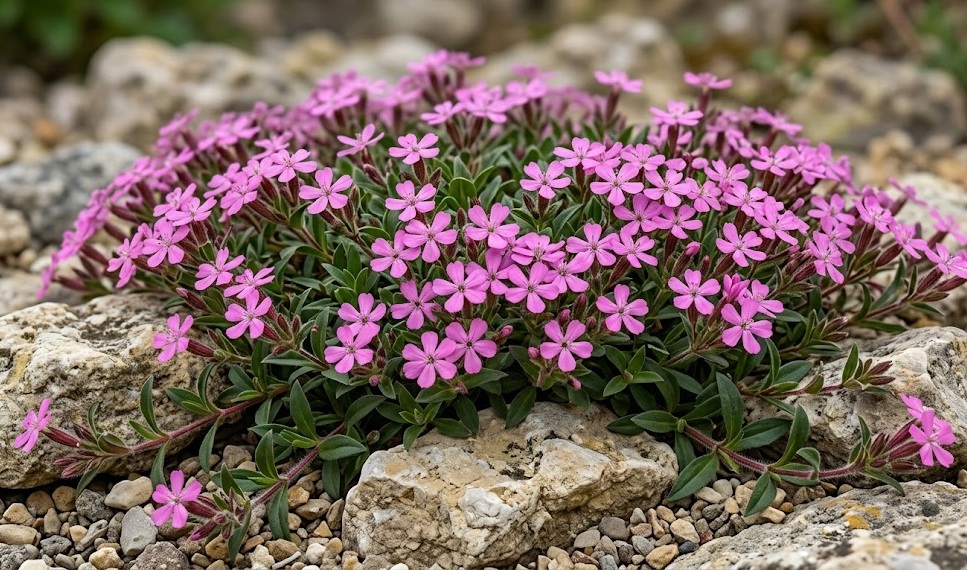

Maintaining the health of rock soapwort requires a proactive approach to identifying and managing potential biological threats in the garden. While this species is generally quite hardy and resistant to many common ailments, it is not entirely immune to the pressures of pests and diseases. You must develop a keen eye for the early warning signs of trouble, ranging from subtle foliage discolorations to the presence of unwanted insects. By understanding the conditions that favor these problems, you can take effective steps to protect your plants and ensure they remain a vibrant part of your landscape.
Common fungal issues
Fungal diseases are the most frequent challenge faced by gardeners cultivating rock soapwort, especially in regions with high humidity or poor soil drainage. Powdery mildew is one such issue that can appear as a white, flour-like coating on the leaves and stems during the mid-summer months. This fungus thrives in environments with poor air circulation and high moisture, which can quickly diminish the plant’s aesthetic appeal. While it rarely kills the plant, it can significantly weaken its overall vigor if left unchecked for multiple seasons.
To prevent fungal outbreaks, you should ensure that your plants are spaced appropriately to allow for maximum airflow between the stems. Avoid overhead watering whenever possible, as damp foliage is the primary breeding ground for most fungal spores. If you do notice the early signs of mildew, you can manage it by removing the most affected parts of the plant and improving the surrounding ventilation. In severe cases, a gentle application of a sulfur-based fungicide might be necessary to protect the rest of the colony.
Another potential fungal threat is leaf spot, which manifests as small, dark lesions on the foliage that can eventually merge and cause the leaves to drop. This problem is often most prevalent during cool, wet spring weather when the plant is just beginning its active growth phase. Keeping the garden bed clear of fallen debris and old stems from the previous year is an essential preventative measure. A clean environment is the first and most effective line of defense against most fungal pathogens in the perennial garden.
Rust is a less common but still notable fungal issue that can occasionally affect members of the soapwort family. You should look for orange or brownish pustules on the underside of the leaves, which indicate the presence of this persistent fungus. If rust is identified, it is crucial to remove and destroy the infected material immediately to prevent the spores from spreading to neighboring plants. Maintaining high levels of garden hygiene and choosing resistant varieties are the best ways to keep rust out of your landscape.
More articles on this topic
Root rot prevention
The most serious threat to the life of a rock soapwort plant is root and crown rot, which is almost always caused by excessively wet soil conditions. When the roots sit in water for prolonged periods, they are deprived of oxygen and become susceptible to soil-borne pathogens like Phytophthora. You might first notice the plant wilting or looking dull even though the soil is wet, which is a classic sign of root failure. Once the rot has reached the central crown of the plant, it is often very difficult to save.
Prevention of this condition begins with proper site selection and soil preparation before the first plant is even put in the ground. You must ensure that the soil is gritty and well-draining, allowing excess water to move away from the sensitive root zone quickly. If you have a site with heavy clay, you might consider planting your soapwort in a raised bed or a rock garden to improve drainage. These structural solutions are far more effective than any chemical treatment once the rot has already started to set in.
Be very mindful of your watering habits, especially during the dormant winter months when the plant’s water requirements are minimal. Many gardeners accidentally kill their soapwort by continuing a summer watering schedule into the autumn and winter when the ground naturally stays wetter. You should also check that mulch is not piled up directly against the stems of the plant, as this can trap moisture against the bark and encourage decay. Keeping the crown of the plant slightly elevated above the surrounding soil can also be a helpful preventative measure.
If you suspect a plant is suffering from early-stage root rot, your first action should be to stop all supplemental watering and allow the area to dry out completely. You might also try carefully lifting the plant to inspect the roots and trimming away any sections that appear mushy or blackened. Replanting the remaining healthy parts in a drier, more suitable location can sometimes provide a second chance for the specimen. However, the best professional advice is always to focus on prevention through perfect drainage from the very start.
More articles on this topic
Managing aphid infestations
Aphids are small, sap-sucking insects that can occasionally target the tender new growth of rock soapwort in the early spring. These pests can cause the leaves to curl or become distorted as they feed on the plant’s vital juices. You might also notice a sticky substance called honeydew on the foliage, which can attract ants and lead to the growth of sooty mold. While a small number of aphids is usually not a major problem, a large infestation can stress the plant and reduce its flowering potential.
The most environment-friendly way to manage aphids is to simply blast them off the plant with a strong stream of water from your garden hose. This physical removal is often enough to keep the population under control without harming the beneficial insects that live in your garden. You should repeat this process every few days until the infestation has subsided and the new growth is clear. It is a simple, effective, and professional technique that avoids the use of harsh chemicals in your landscape.
Encouraging natural predators like ladybugs and lacewings is another excellent long-term strategy for managing aphid populations. You can do this by including a variety of flowering plants in your garden that provide food and habitat for these helpful insects. A balanced ecosystem is often self-regulating, meaning you will rarely have to intervene once the predator-prey relationship is established. This holistic approach is a hallmark of high-quality garden management and leads to a healthier environment for all your plants.
If the infestation becomes severe and physical removal is not enough, you might consider using an insecticidal soap or a diluted neem oil spray. These products work by coating the insects and disrupting their cell membranes or breathing, but they have a low impact on larger animals and the environment. You should always apply these treatments in the late evening or on a cloudy day to prevent the spray from burning the foliage in the sun. Being targeted and careful with your pest control ensures that your soapwort remains beautiful and healthy.
Slugs and snails
In damp or shaded parts of the garden, slugs and snails can become a significant nuisance for low-growing plants like rock soapwort. These mollusks feed on the leaves and stems at night, leaving behind jagged holes and telltale silvery slime trails on the foliage. While they usually prefer softer plants, they will not hesitate to munch on soapwort if the conditions are right and other food sources are scarce. Protecting your groundcover from these nocturnal visitors is essential for maintaining its pristine appearance throughout the season.
One of the most effective ways to discourage slugs and snails is to maintain a tidy garden environment with fewer hiding spots. You should remove any large stones, boards, or thick layers of organic mulch that might provide a cool, damp retreat during the daylight hours. Using a gritty mulch like sharp sand or crushed eggshells around the base of the plant can also act as a physical deterrent. These simple cultural adjustments make your garden much less attractive to these moisture-loving pests.
Hand-picking is another reliable, if somewhat tedious, method for reducing the number of slugs and snails in your garden. You can venture out with a flashlight after dark or in the early morning to find and remove the pests manually from the soapwort foliage. While this doesn’t eliminate the entire population, it can significantly reduce the amount of damage occurring in a specific area. This direct approach is often preferred by professional gardeners who want to avoid the use of chemical baits.
If you decide to use slug baits, you should always opt for products that contain iron phosphate, which is safe for use around pets and wildlife. Avoid the older metaldehyde-based baits, as these are highly toxic and can harm beneficial garden residents like birds and hedgehogs. Place the bait sparingly around the perimeter of your soapwort patches rather than directly on the plants themselves. By using a combination of cultural practices and safe interventions, you can easily keep slugs and snails under control.
Integrated pest management
The most professional and effective way to handle all pest and disease issues in your garden is through a system known as Integrated Pest Management (IPM). This approach involves a combination of preventative measures, regular monitoring, and a hierarchy of intervention strategies starting with the least harmful methods. By focusing on plant health first, you create a system where soapwort can largely defend itself against natural pressures. A strong, healthy plant is always less attractive to pests and more resilient against disease than one that is stressed.
Regular scouting is the foundation of a good IPM program, and you should make it a habit to inspect your soapwort colonies at least once a week. Catching a problem in its earliest stages allows you to resolve it with minimal effort and without the need for drastic measures. You should learn to distinguish between harmless visitors and actual pests that are causing significant damage to the plant. This knowledge allows you to react appropriately and avoid over-reacting to minor, cosmetic issues that don’t threaten the plant’s life.
When an intervention is necessary, you should always start with cultural and physical methods like pruning, hand-pulling, or adjusting your watering routine. Only when these methods fail to control the problem should you consider moving up to biological or chemical controls. This careful escalation ensures that you are doing the minimum amount of harm to the surrounding ecosystem while still protecting your investment. It is a thoughtful and sophisticated way to manage a modern garden.
Ultimately, the goal of managing pests and diseases is to achieve a balance where your rock soapwort can thrive without being part of a sterile, artificial environment. Accepting a small amount of natural wear and tear is part of the reality of outdoor gardening and often goes unnoticed in a large landscape. By following professional guidelines and being a dedicated steward of your garden’s health, you will enjoy a beautiful and resilient display for years to come. Your attention to detail and commitment to best practices are what make a garden truly exceptional.