
Preparing your perennials for the cold months is a vital part of ensuring their return in the following spring season. While these plants are naturally hardy in many climates, the combination of wet soil and freezing temperatures can be challenging. A thoughtful approach to winter protection involves both physical barriers and a general understanding of plant dormancy. By taking the right steps in late autumn, you can safeguard the energy stored in the deep root systems.
Dormancy is a physiological state that protects the plant from the physical damage of ice and extreme cold. As the days shorten and temperatures drop, the plant begins to pull nutrients from the leaves down into the taproot. This process causes the foliage to turn yellow and eventually brown, signaling that the active growing season has ended. Resisting the urge to cut the plant back too early allows this nutrient transfer to complete naturally.
Mulching is one of the most effective ways to stabilize the soil temperature around the crown of the plant. A layer of straw, shredded leaves, or wood chips provides an insulating blanket that prevents rapid freezing and thawing cycles. These cycles can sometimes cause the soil to heave, which might expose the sensitive upper parts of the root to the air. Apply the mulch after the ground has frozen for the first time to ensure the best results.
Winter moisture management is a critical factor that many gardeners overlook during the dormant period. While the plant does not need much water when it is not growing, the soil should not be allowed to become bone-dry. In regions with very dry winters, a light watering during a mid-winter thaw can prevent the roots from desiccating. However, the primary goal remains avoiding the “wet feet” that can lead to rot during the cold months.
Spring emergence and recovery
The timing of spring cleanup should be dictated by the local weather patterns and the activity of beneficial insects. Many small pollinators overwinter in the hollow stems of perennials, so waiting until temperatures are consistently above freezing is ideal. Once you see the first signs of green growth at the base of other plants, you can safely remove the old stalks. Be careful not to dig around the area too aggressively, as the new shoots emerge quite late.
More articles on this topic
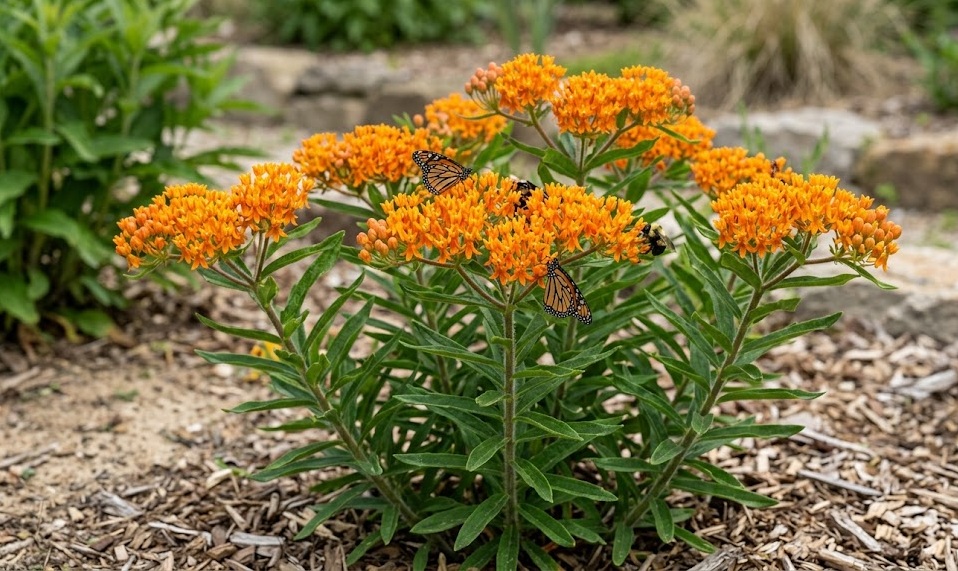
Patience is a necessary virtue when waiting for this particular species to reappear in the garden landscape. It is often dubbed a “lazy” plant because it waits until the soil is thoroughly warmed before sending up new shoots. Many gardeners mistakenly believe their plant has died over the winter and accidentally dig it up or plant over it. Marking the location with a small stake in the autumn will help you avoid this common and unfortunate error.
Once the new shoots finally break through the surface, they will grow with remarkable speed and vigor. This rapid growth is fueled by the carbohydrates stored in the thick, tuberous root system over the winter. At this stage, you can remove any remaining winter mulch to allow the sun to warm the soil directly. This transition from dormancy to active growth is one of the most exciting times in the horticultural calendar.
Monitoring the early growth for any signs of winter damage or crown rot is a final step in the process. If a plant appears much smaller or weaker than in previous years, it may have suffered from excessive winter moisture. In most cases, providing a little extra care and ensuring perfect drainage will help the plant recover over the season. A healthy recovery ensures that the cycle of growth and flowering can continue for many years to come.