
Effective pruning is a powerful tool that allows you to shape the growth of your plants and maximize their flowering potential throughout the season. Many gardeners are hesitant to cut back these lush plants, but a strategic approach to pruning actually encourages a healthier and more robust specimen. You should view pruning not just as a way to tidy up, but as an active method of directing the plant’s energy toward its most desirable features. With a clean pair of shears and a bit of knowledge, you can significantly enhance the appearance of your collection.
The most basic form of pruning you will perform on a regular basis is the removal of faded flowers, a process commonly known as deadheading. You should snap off the spent blooms at the base of their individual stems to prevent the plant from wasting resources on seed production. This simple task encourages the plant to immediately start developing the next set of buds, resulting in a continuous and prolific display of color. Regular deadheading also keeps the plant looking fresh and prevents decaying petals from falling onto the leaves and causing fungal issues.
In the early stages of the growth cycle, you might find it beneficial to pinch back the growing tips of the main stems to encourage a bushier habit. By removing the very top of a young shoot, you stimulate the dormant buds lower down the stem to break and form new branches. This technique prevents the plant from becoming too tall and leggy, which can make it more vulnerable to wind damage or breakage under its own weight. A more compact, branched plant produces a denser canopy of foliage and a more impressive overall floral display.
Removing any damaged, yellowed, or diseased leaves is another essential pruning task that should be performed whenever you notice a problem. Removing compromised foliage improves the overall air circulation within the plant and reduces the risk of pests and pathogens spreading to healthy areas. You should always use a sharp, sterilized knife or shears to make clean cuts, as ragged edges can become entry points for unwanted infections. Keeping your plants “groomed” in this way is a fundamental part of a professional maintenance routine.
Timing your cuts for optimal results
The timing of your pruning interventions can be just as important as the technique itself when it comes to the plant’s long-term health. Major structural pruning is best done in the early spring when the plant is just beginning its active growth phase and has plenty of energy for recovery. During the height of the summer, you should limit your pruning to light maintenance and deadheading to avoid stressing the plant during the hottest weather. Understanding the natural rhythm of the plant’s growth allows you to work with nature rather than against it.
More articles on this topic
If you find that your plant has become excessively overgrown or lopsided by mid-summer, you can perform a light “corrective” pruning to restore its balance. You should avoid removing more than about twenty percent of the total foliage at any one time to ensure the plant can still photosynthesize effectively. Making several small cuts over a period of weeks is often safer and more effective than one drastic intervention that could shock the system. This gradual approach allows the plant to adapt to its new shape without a significant setback in its flowering schedule.
As the autumn approaches and the plant prepares for dormancy, the focus of your pruning shifts toward preparing the tuber for storage. You should not perform any heavy cutting back during the late summer, as this could trigger a flush of soft new growth that will not survive the winter. Instead, let the plant naturally wind down its activities as the temperatures drop and the light levels decrease. Only when you are ready to lift the tubers for the winter should you cut the stems back to their final storage length.
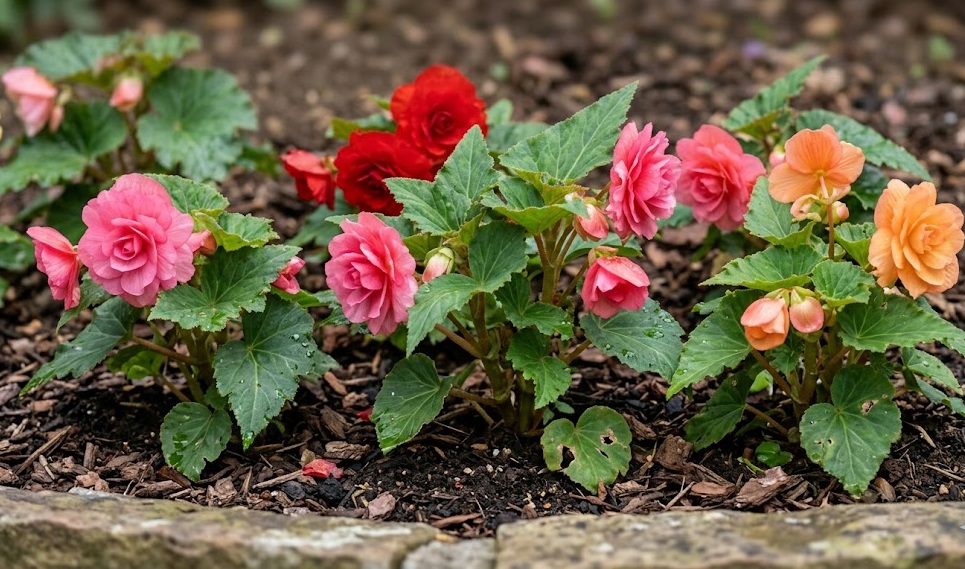
It is important to remember that different varieties of tuberous begonias have different growth habits that may require specialized pruning strategies. For example, trailing varieties used in hanging baskets may need more frequent pinching to maintain their cascading form without becoming thin at the top. Upright varieties with massive double blooms might need more careful support and thinning to ensure the stems can handle the weight of the flowers. Observing how your specific plants respond to your cuts will help you refine your technique with every passing season.
Tool selection and professional techniques
Using the right tools is essential for making the clean, precise cuts that are necessary for the health of your begonias. A small, sharp pair of bypass pruners or specialized floral snips are usually the best choice for the relatively soft and succulent stems of these plants. You should avoid using anvil-style pruners, as they tend to crush the delicate tissues rather than cutting through them cleanly. Keeping your tools sharp and well-maintained is a professional habit that makes your work easier and better for the plants.
More articles on this topic
Sanitation is a critical part of the pruning process, as open wounds are temporary vulnerabilities that can be exploited by bacteria and fungi. You should always wipe your blades with a disinfectant like rubbing alcohol between working on different plants to prevent the accidental spread of disease. This simple step is especially important if you are removing diseased material, as it ensures you are not carrying the pathogen to a healthy specimen. A little extra care in this department can save you from a major headache later in the season.
When you make a cut, you should aim to do so just above a healthy leaf node or an outward-facing bud to encourage new growth in a desirable direction. Cutting too far away from a node can leave a “stub” of tissue that will eventually die back and could become a site for rot to enter the plant. Making your cuts at a slight angle also helps to prevent water from pooling on the wounded surface, further reducing the risk of infection. These small technical details are what define a professional approach to gardening and lead to superior results.
Ultimately, the goal of pruning and cutting back is to support the plant’s natural beauty and ensure its continued health and vigor. While it might seem counterintuitive to remove parts of a plant you have worked hard to grow, the long-term benefits are undeniable. Your expertise in these techniques will grow with experience, allowing you to create stunning, well-shaped begonias that are the envy of every gardener. The reward for your careful pruning is a spectacular and professional-quality floral display that lasts for many months.