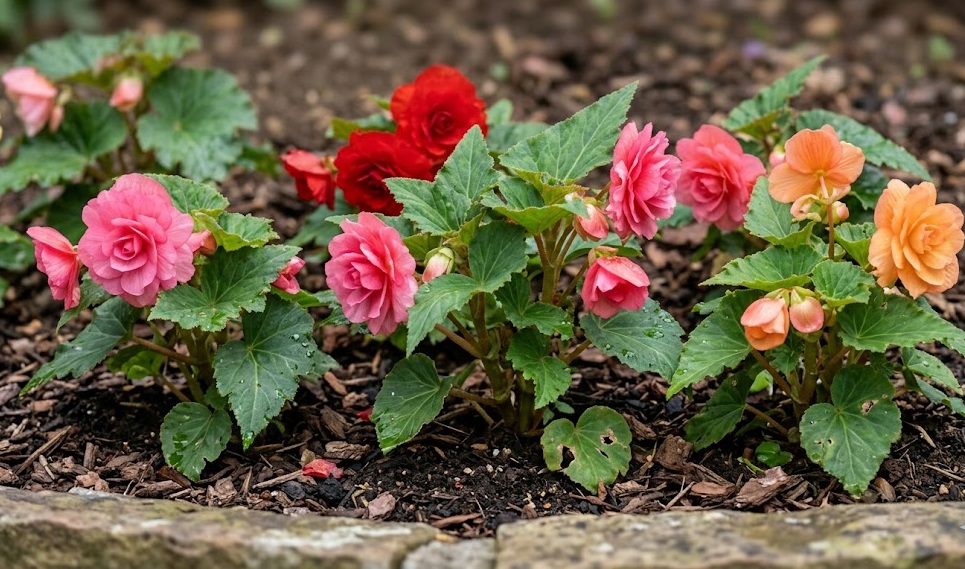

Understanding the specific light needs of these plants is fundamental to achieving the lush foliage and massive blooms they are famous for. Unlike many other summer-flowering plants that crave intense, direct sunlight, tuberous begonias have evolved to thrive in filtered or indirect light conditions. You should think of them as inhabitants of the forest floor, where they receive bright light that is softened by the canopy above. Finding this perfect balance between brightness and protection is the key to professional-grade results in your garden.
If you place your plants in a location that receives harsh, direct midday sun, you will quickly see signs of distress on the leaves. The foliage can become scorched, appearing as brown, papery patches that eventually lead to the death of the affected tissue. Direct sunlight also causes the temperature of the leaves to rise rapidly, which can lead to severe wilting as the plant loses moisture faster than the roots can replace it. Protecting them from the intense ultraviolet rays of the afternoon sun is essential for maintaining their aesthetic appeal and health.
On the other hand, providing too little light will result in a plant that is weak, leggy, and produces very few flowers. You might notice the stems stretching toward the nearest light source, becoming thin and brittle in the process. The leaves may also lose some of their vibrant green color and appear pale or yellowish as the plant struggles to photosynthesize enough energy. A successful display requires enough light to trigger flower production without being so intense that it damages the delicate cellular structures of the plant.
The ideal lighting situation is often described as “bright indirect light,” which can be found in several specific areas around a typical home or garden. An east-facing balcony or garden bed is often perfect, as it provides the gentle morning sun followed by cooling shade for the rest of the day. North-facing spots can also work well, provided they are not too dark and receive plenty of reflected light from nearby surfaces. Understanding these nuances will allow you to place your containers and plants in the most advantageous positions possible.
Signs of improper lighting and how to react
Monitoring the physical appearance of your begonias will give you clear and immediate feedback on whether they are happy with their light levels. If you see the edges of the leaves beginning to curl downward or turn a dark, metallic red, it often indicates the plant is receiving more light than it can handle. You should react by moving the container further into the shade or providing a temporary screen during the hottest part of the day. Catching these early signs allows you to prevent permanent damage to the foliage and maintain the plant’s vigor.
More articles on this topic
If the plant is not producing any new flower buds despite being well-fed and watered, it is likely a sign that the light levels are too low. You might also notice that the internodes, the spaces between the leaves on the stem, are becoming unusually long as the plant “reaches” for more light. In this case, you should gradually move the plant to a brighter location, being careful not to shock it with a sudden transition to direct sun. A small increase in light intensity can often be enough to trigger a spectacular burst of new flowering activity.
The orientation of the plant can also affect how it uses the available light, especially if it is kept in a fixed position for a long time. You might find it helpful to rotate your pots by ninety degrees every week to ensure that all sides of the plant receive equal exposure. This simple habit prevents the plant from becoming lopsided and encourages a more uniform, bushy growth habit that looks much more professional. Consistent light distribution leads to a more balanced plant that is better able to support its own weight and large blooms.
In very hot climates, the definition of “bright shade” may need to be adjusted to provide even more protection during the peak summer months. You can use specialized shade cloth or place your begonias under the canopy of larger, sun-loving plants to create a natural dappled light effect. The goal is to provide a cool, bright oasis where the plant can function at its best without being stressed by environmental extremes. Your ability to read the plant’s needs and adjust its environment accordingly is a hallmark of an expert gardener.
Balancing light for indoor and outdoor placement
If you are growing your begonias indoors on a windowsill, you must be especially careful about the magnifying effect of the glass. A south-facing window can become incredibly hot during the day, potentially frying the leaves in just a few hours if they are placed too close to the pane. Using a sheer curtain or placing the plant a meter back from the window can provide the necessary diffusion to keep the light safe and effective. Indoor plants often need the brightest spot you can provide without the heat associated with direct sun.
More articles on this topic
For those growing in outdoor containers or hanging baskets, the surrounding environment can significantly influence the light quality. Light-colored walls or fences can reflect a surprising amount of additional light onto your plants, which can be both a benefit and a risk. While reflected light can help plants in darker corners, it can also increase the overall heat and light intensity beyond what the plant prefers. You should take these secondary light sources into account when choosing the final placement for your most prized specimens.
As the seasons change and the sun’s path across the sky shifts, you may need to relocate your plants to maintain their ideal lighting conditions. A spot that was perfectly shaded in May might become exposed to harsh sun by late July as the sun reaches its highest point in the sky. Being proactive about these seasonal shifts ensures that your plants never experience a sudden period of stress that could ruin their display. Your commitment to managing these subtle details is what separates a casual enthusiast from a truly professional grower.
Finally, remember that different varieties of tuberous begonias may have slightly different tolerances for light and heat. Some of the newer hybrids are being bred specifically for better sun tolerance, but they still generally prefer some protection from the midday heat. Keeping track of how each specific variety performs in different parts of your garden will help you refine your placement strategy for future years. With experience, you will develop a “gut feeling” for the perfect lighting, leading to consistently stunning results in your garden or on your balcony.