
Mastering the hydration and nutrition of these plants is perhaps the most significant challenge you will face during the growing season. Because they have succulent stems and large tubers, they are uniquely sensitive to both drought and excessive moisture in the root zone. You must develop a keen eye for the soil’s condition and the plant’s overall turgidity to determine the exact moment to intervene. A balanced approach will ensure that the foliage remains vibrant and the flowers reach their maximum potential size.
When you water your plants, the goal should be to keep the potting medium consistently moist but never truly soggy or waterlogged. You can test the moisture level by inserting your finger about two centimeters into the soil to feel for dampness. If the surface feels dry but the layer below is still cool and moist, it is usually best to wait another day before adding more water. Overwatering is the most common cause of failure, as it quickly leads to the tuber rotting in the anaerobic conditions of wet soil.
The time of day you choose to water can have a major impact on the health of the leaves and the efficiency of the roots. Early morning is the ideal window because it allows the plant to absorb moisture before the heat of the day increases the rate of evaporation. If you water in the evening, the foliage may remain damp throughout the night, which significantly increases the risk of fungal infections. Always aim the spout of your watering can directly at the soil to avoid getting the leaves or the center of the tuber wet.
As the plants grow larger and the summer temperatures rise, you will find that their demand for water increases substantially. Large leaves lose moisture rapidly through transpiration, especially in windy or very bright conditions, which can lead to sudden wilting. If the plant wilts during the day, move it to a cooler spot and provide a thorough soaking to help it recover its structure. Monitoring your plants daily during heatwaves is essential to prevent permanent damage to the delicate vascular tissues of the stems.
Understanding the nutritional requirements
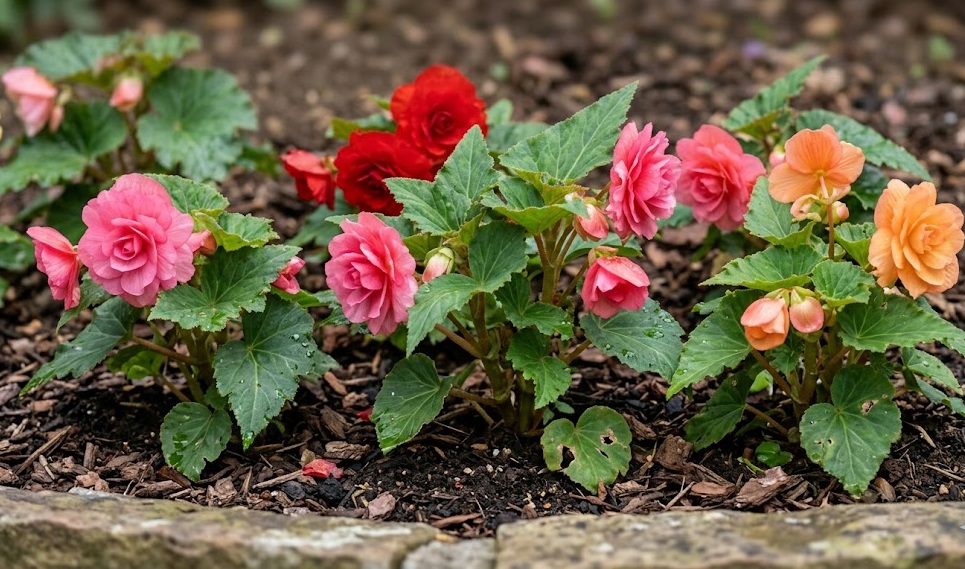
Tuberous begonias are heavy feeders that require a consistent supply of nutrients to support their rapid growth and prolific flowering. During the early stages of the season, you should focus on a fertilizer that is balanced to encourage both root development and leaf expansion. A standard liquid feed applied every two weeks will provide the necessary foundation for the plant to build its architectural structure. Look for a product that contains essential micronutrients like magnesium and iron to keep the leaves a deep, healthy green.
More articles on this topic
As the first flower buds begin to appear, it is time to shift your fertilization strategy to prioritize bloom production over vegetative growth. Switching to a high-potassium fertilizer, often marketed as tomato food, will encourage the plant to produce larger and more numerous flowers. This nutrient also helps to strengthen the cell walls within the stems, making them more resilient to the weight of the heavy blooms. You will notice a significant improvement in the intensity of the petal colors when the plant is well-fed with potassium.
It is important to avoid over-fertilizing, as an excess of salts in the soil can burn the sensitive roots and cause the edges of the leaves to turn brown. You should always follow the manufacturer’s instructions for dilution and avoid applying fertilizer to bone-dry soil. If the soil is very dry, water the plant with plain water first to hydrate the roots before applying the nutrient solution. This simple precaution ensures that the fertilizer is absorbed evenly and safely throughout the entire root system.
During periods of extreme heat or when the plant is under stress, it is a good idea to temporarily stop or reduce the frequency of fertilization. The plant’s metabolism slows down in high temperatures, and it may not be able to process the nutrients effectively, leading to a buildup in the soil. Once the weather cools down and the plant shows signs of active growth again, you can resume your regular feeding schedule. Paying attention to these natural cycles will help you maintain a professional level of care all summer long.
Application methods and consistency
Consistency is the secret to a successful feeding and watering routine that keeps your plants in peak condition for months. You might find it helpful to set a specific schedule, such as watering every two or three days and fertilizing every other Saturday. However, you should always remain flexible and adjust this schedule based on the actual weather conditions and the plant’s response. Using a calendar or a gardening app can help you track your interventions and identify any patterns in the plant’s behavior.
More articles on this topic
The method of application can be just as important as the frequency when it comes to delivering water and nutrients. Using a watering can with a long, narrow spout allows you to reach the soil surface without disturbing the dense canopy of leaves. This precision prevents water from pooling in the indentation of the tuber, which is a frequent site for rot to begin. A slow, gentle pour is better than a quick drench, as it allows the soil to absorb the liquid gradually without washing away.
Foliar feeding is an alternative method that some experts use to give their plants a quick boost of micronutrients during the growing season. This involves spraying a very diluted fertilizer solution directly onto the leaves where it can be absorbed through the stomata. You should only do this in the early morning or on an overcast day to prevent the sun from burning the damp leaf surfaces. While not a replacement for root feeding, it can be a useful tool for correcting minor nutrient deficiencies quickly.
Bottom watering is another technique that works well for plants in smaller pots or those with very dense foliage that makes top watering difficult. You can place the pot in a tray of water for about twenty minutes, allowing the soil to wicking up moisture from the bottom. This ensures that the entire root ball is hydrated without getting any moisture on the crown of the plant or the lower stems. Remember to drain away any excess water from the tray after the soil has become sufficiently moist.
Identifying and solving moisture-related issues
Learning to recognize the early warning signs of moisture stress will save you from losing your most prized specimens to preventable problems. Yellowing lower leaves that feel soft and mushy are often a classic symptom of overwatering and the beginning of root rot. If you suspect this is happening, you should immediately stop watering and allow the soil to dry out significantly before the next session. In severe cases, you may need to repot the plant in fresh, dry soil to remove it from the saturated environment.
On the other hand, if the leaves become crisp at the edges and the flower buds fall off before opening, the plant is likely suffering from underwatering. Dry soil can pull away from the sides of the pot, causing water to run straight through without actually hydrating the roots in the center. To fix this, you can soak the entire pot in a bucket of water until the soil expands and becomes fully saturated again. Monitoring the weight of the pot is a quick way to gauge the moisture level without even touching the soil.
The quality of the water you use can also affect the health of your begonias over a long period. In areas with very hard water, lime can build up in the soil, raising the pH and making it difficult for the plant to absorb certain nutrients. Using harvested rainwater is the best option for these plants as it is naturally soft and free from the chemicals often found in tap water. If you must use tap water, letting it sit in an open container for twenty-four hours can help dissipate some of the chlorine.
Uneven watering can cause the tuber to swell and shrink repeatedly, which sometimes leads to physical cracking of the outer skin. These cracks can become entry points for bacteria or fungi, especially if the soil is kept too damp afterwards. Maintaining a steady level of moisture prevents these physical stresses and keeps the plant’s growth uniform and predictable. Your goal should be to provide a stable foundation that allows the plant to focus all its energy on its magnificent floral display.
Seasonal adjustments to feeding and irrigation
As the summer draws to a close and the days start to shorten, the plant’s internal biological processes begin to slow down naturally. You should notice that the soil stays moist for longer periods, which is your cue to reduce the frequency of your watering sessions. Continuing to water at the same rate as you did in mid-July will almost certainly lead to rot in the cooling autumn soil. This transition is a critical time for the tuber to mature and prepare for its upcoming period of winter dormancy.
At the same time, you should begin to taper off the fertilization until you stop it completely by the end of August or early September. Adding more nutrients late in the season encourages soft, new growth that will not have time to harden off before the cold weather arrives. Stopping the feed allows the plant to direct its remaining resources into the tuber, ensuring it has enough energy to survive the winter. A well-prepared tuber will be much heavier and firmer than one that was pushed to grow until the very last minute.
If you are growing your begonias in the ground rather than in pots, you will need to pay even closer attention to the natural rainfall in your area. Garden beds often hold moisture longer than containers, and poor drainage can be a major issue during a rainy autumn. You might consider adding a temporary cover or mulch to keep the soil from becoming too saturated during prolonged periods of wet weather. Managing the outdoor environment requires a bit more foresight than container gardening, but the rewards are equally impressive.
Finally, remember that every garden and every growing season is slightly different, and your routine should reflect that reality. What worked perfectly last year might need adjustment this year due to changes in temperature, wind, or humidity levels. By staying observant and following these professional principles, you will develop a deep understanding of your plants’ needs. Successful watering and fertilizing are the hallmarks of an expert gardener, and your tuberous begonias will be the best proof of your skill.