
Achieving success with these vibrant flowers requires a foundational understanding of their unique growth habits and environmental preferences. While they are often considered demanding, providing a stable environment allows these plants to thrive throughout the summer months. You should focus on balancing humidity, temperature, and nutrition to maintain their lush foliage and large blooms. By paying attention to the subtle signs the plant gives, you can adjust your care routine effectively.
Maintaining a consistent temperature is one of the most critical aspects of caring for these sensitive plants during the growing season. They generally prefer daytime temperatures between eighteen and twenty-four degrees Celsius to ensure steady growth. If the weather becomes excessively hot, you might notice the blooms dropping or the leaves beginning to wilt under the stress. Providing a cooler, shaded spot during heatwaves can help the plant recover quickly and continue its flowering cycle.
Humidity plays a vital role in keeping the foliage looking fresh and preventing the edges of the leaves from turning brown. In drier climates, you can increase the moisture in the air by placing a tray of water and pebbles near the containers. Avoiding direct misting on the leaves is important because trapped water can lead to fungal issues or unsightly spots. A gentle airflow around the plants is also necessary to prevent stagnant air, which often encourages disease development.
Deadheading is a simple yet effective maintenance task that keeps the plant looking tidy and encourages the production of new flowers. You should regularly remove faded blooms by snapping them off at the base of the flower stalk to prevent seed production. This process redirects the plant’s energy back into creating more buds rather than finishing its reproductive cycle. Consistent monitoring of the plant’s appearance will ensure it remains a focal point in your garden or balcony setup.
Creating the ideal growing environment
Choosing the right container and substrate is the first step toward long-term success when dealing with these ornamental beauties. You need a well-draining potting mix that retains some moisture without becoming waterlogged or heavy over time. Adding perlite or coarse sand to a peat-based compost can significantly improve the aeration around the root system. Ensure that any pot you use has adequate drainage holes to allow excess water to escape freely after every session.
More articles on this topic
Placement within your garden or home is equally important because these plants are sensitive to both wind and heavy rain. Strong gusts can easily snap the brittle stems, so finding a sheltered location will protect the structural integrity of the plant. If you are growing them outdoors, consider placing them near a wall or using larger plants as a natural windbreak. This protection allows the large, heavy flowers to remain upright and beautiful without the need for excessive staking.
Monitoring the soil surface will give you a clear indication of when the environment needs adjustment to suit the plant’s needs. If you see moss or algae growing on the top layer, it usually means the area is too damp or lacks sufficient light. Conversely, a hard crust forming on the soil suggests that the humidity is too low or the watering is inconsistent. Adjusting your placement based on these visual cues will lead to a much healthier and more resilient specimen.
The size of the pot should be proportional to the tuber to ensure the roots have enough space to expand without being overwhelmed by soil. A pot that is too large can hold too much moisture, which often leads to the tuber rotting before it can fully establish. As the plant grows, you can consider transplanting it into a slightly larger vessel if the roots begin to circle the bottom. This gradual increase in space helps maintain a healthy balance between leaf growth and root development.
Temperature management and seasonal shifts
During the early spring, it is essential to keep the young shoots protected from any late frosts that might occur unexpectedly. You should start the tubers indoors where the temperature remains stable and warm enough to trigger new growth. Moving them outside too early can stunt their development or even kill the tender new leaves if a cold snap hits. Patience is key when waiting for the outdoor environment to reach a consistent warmth before final placement.
More articles on this topic
As summer progresses, the challenge shifts from keeping the plants warm to protecting them from extreme afternoon heat. You may find that moving containers into a deeper shade during the hottest part of the day prevents leaf scorch. High temperatures can cause the plant to enter a semi-dormant state where it stops producing flowers to conserve its internal resources. Providing a bit of extra shade during July and August will help the plant maintain its vibrant display.
When autumn approaches and the nights begin to cool down, you will notice a change in the plant’s growth pattern. The leaves might start to yellow naturally, signaling that the plant is preparing to enter its dormant phase for the winter. This is the time to reduce watering and stop any fertilization to allow the tuber to mature properly. Watching the weather forecasts becomes crucial again to ensure you bring the plants inside before the first hard frost.
Consistent monitoring of the local climate allows you to stay one step ahead of any potential environmental stressors. Using a simple thermometer near your plants can help you understand the microclimate of your specific garden or balcony space. Small adjustments, like moving a pot a few feet to the left or right, can make a huge difference in the plant’s health. Your proactive approach to temperature management will be rewarded with a longer and more successful flowering season.
Maintaining foliage and stem health
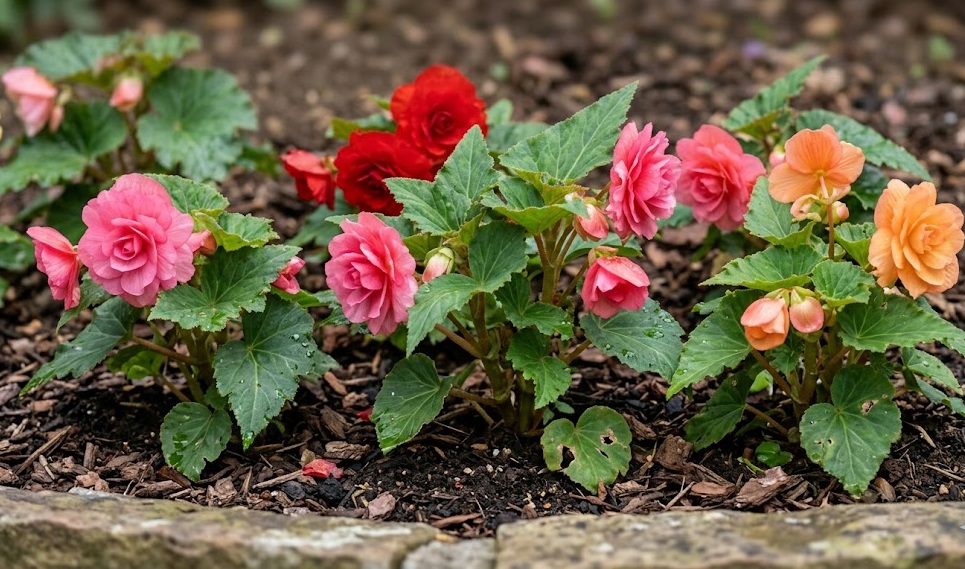
The stems of these plants are quite succulent and can be surprisingly heavy when they are loaded with large, double blooms. You might find it helpful to provide some light support using bamboo stakes or specialized plant rings to prevent breakage. Inserting the stakes early in the season avoids damaging the tuber as it expands within the potting soil. Gentle ties made of soft material will hold the stems securely without cutting into the delicate green tissues.
Inspecting the undersides of the leaves regularly is a good habit to catch any issues before they become major problems. Dust can accumulate on the broad surfaces, which might interfere with the plant’s ability to breathe and photosynthesize effectively. You can use a soft, damp cloth to gently wipe the leaves, being careful not to apply too much pressure. This cleaning process not only improves the plant’s appearance but also allows you to check for any hidden pests.
If you notice any stems that appear weak or leggy, it might be an indication that the plant is stretching for more light. You can pinch back the tips of young plants to encourage a bushier growth habit and more branching points. This technique results in a more compact and sturdy plant that is better able to support its own weight. Regular grooming ensures that the plant remains vigorous and aesthetically pleasing throughout its entire lifecycle.
Air circulation is vital for the health of the stems and the base of the plant where it meets the soil. Overcrowding multiple plants in a single container can lead to trapped moisture and a higher risk of stem rot. Providing enough space between individual specimens allows air to flow freely, keeping the surfaces dry and healthy. A well-spaced arrangement also makes it much easier for you to access the plants for routine maintenance and inspection.
Enhancing the flowering performance
The primary goal for many gardeners is to maximize the number and size of the spectacular blooms produced throughout the summer. You can achieve this by ensuring the plant receives a balanced supply of nutrients specifically designed for flowering species. Avoiding high-nitrogen fertilizers later in the season prevents the plant from focusing solely on leaf production at the expense of flowers. A formula higher in potassium will support the development of strong buds and vibrant, long-lasting colors.
The timing of your care routine can influence how long each individual flower remains on the plant before fading. Watering in the early morning ensures the plant is fully hydrated before the sun reaches its peak intensity during the day. Avoid getting water on the petals themselves, as this can cause spotting or premature decay in high-humidity conditions. Careful attention to these small details will extend the life of each bloom and keep the display looking fresh.
If the plant produces an abundance of small flowers instead of a few large ones, you might consider thinning the buds. Removing some of the side buds allows the plant to direct more energy into the central flower, resulting in a more impressive size. This technique is often used by enthusiasts who want to showcase the full potential of specific varieties in their collection. However, leaving all the buds will provide a more continuous and dense cover of color if that is your preference.
Observing the transition from bud to full bloom is one of the most rewarding aspects of growing these specific begonias. You will see the tight buds slowly unfurl over several days, revealing intricate layers of petals that vary in texture. Keeping a journal of which varieties perform best in your specific conditions can help you plan for future seasons. Your dedication to their specific needs will result in a professional-quality garden display that lasts for many months.
Managing the growth cycle effectively
Understanding that these plants operate on a strict seasonal clock will help you manage their needs more effectively. They require a period of vigorous growth followed by a necessary rest phase to recharge the tuber’s energy reserves. You should not try to force the plant to grow year-round, as this will eventually lead to exhaustion and poor performance. Respecting the natural dormancy period ensures that the plant returns with even more vigor the following spring.
As the plant reaches its peak size in mid-summer, you may need to increase the frequency of your inspections. The rapid growth can sometimes lead to a dense canopy that hides the interior of the plant from your view. Thinning out some of the inner leaves can improve light penetration and air movement within the center of the foliage. This proactive maintenance keeps the entire plant healthy and prevents the lower leaves from yellowing due to lack of light.
If you are growing different varieties together, keep in mind that their growth rates and habits may vary slightly. Some types are more upright and sturdy, while others have a trailing habit that is perfect for hanging baskets. Grouping plants with similar needs together makes your daily care routine much more efficient and successful. This organized approach allows you to tailor your watering and feeding to the specific requirements of each group.
The transition from the peak of summer into the later months requires a observant eye for changes in the plant’s vigor. You might notice that the intervals between new bud formation start to lengthen as the days become shorter. This is a natural process and should be met with a gradual reduction in the intensity of your care. Preparing the plant for its eventual rest starts long before the first frost actually arrives in your region.
Long-term health and sustainability
Investing time in the health of the tuber itself is the best way to ensure your plants last for many years. A firm, heavy tuber is a sign of a healthy plant that has stored plenty of energy during the previous summer. Avoid any practices that might cause physical damage to the tuber, such as rough handling or using sharp tools nearby. Protecting the heart of the plant ensures that it has the foundation needed to produce spectacular growth every year.
Regularly refreshing the potting soil at the start of each growing season provides the plants with a clean and nutrient-rich start. Old soil can accumulate salts from fertilizers or harbor dormant pests and diseases that might affect the new growth. Using fresh, high-quality compost ensures that the delicate new roots have the best possible environment to expand into. This annual tradition is a cornerstone of professional-grade gardening and leads to consistently better results.
Sharing your experiences and observations with other gardening enthusiasts can provide new insights into local growing conditions. You might discover that certain varieties of tuberous begonias perform exceptionally well in your specific neighborhood or microclimate. Learning from others allows you to refine your techniques and avoid common pitfalls that might hinder your success. A community-based approach to gardening often leads to a more diverse and vibrant collection of plants.
Ultimately, the care you provide is a reflection of your commitment to creating a beautiful and thriving green space. While these plants require a bit more attention than some other garden staples, the visual reward is truly unparalleled. The combination of lush, architectural foliage and massive, colorful blooms makes every effort worthwhile in the end. By following these professional guidelines, you can enjoy the stunning beauty of these plants season after season.