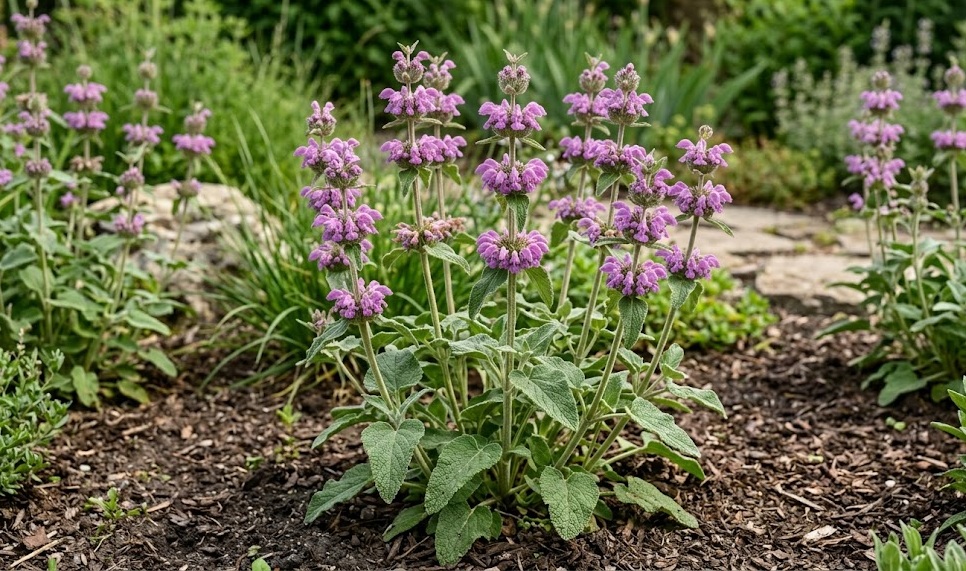

Protecting the tuberous jerusalem sage from diseases and pests is a vital part of ensuring its longevity and aesthetic appeal. While this plant is generally robust and less prone to problems than many other garden perennials, it is not entirely immune to issues. A professional gardener must be able to identify early signs of distress and implement effective management strategies. Maintaining the overall health of the plant through proper care is the first line of defense against any external threats.
Fungal infections are among the most common issues that can affect the foliage, especially in climates with high humidity or poor air circulation. Powdery mildew often presents as a white, dusty coating on the surface of the leaves during the late summer months. While it is rarely fatal to the plant, it can significantly detract from its visual beauty and reduce its overall vigor. Implementing preventative measures, such as proper spacing and targeted watering, can greatly reduce the incidence of these problems.
Insect pests can also occasionally target the tuberous jerusalem sage, although its fuzzy leaves act as a natural deterrent for many common garden bugs. Aphids may sometimes gather on the tender new growth or the developing flower buds in the spring. These small insects suck the sap from the plant, which can lead to distorted growth or a reduction in flowering quality. Regular inspections allow for the early detection and removal of these pests before they can cause significant damage.
Root-related issues are often the result of environmental factors rather than specific pathogens, but they are equally important to manage. Root rot is a serious concern in poorly drained soils where water remains stagnant around the underground tubers for long periods. This condition often manifests as a sudden wilting of the plant or a softening of the stems at the soil line. Preventing these issues through careful site selection and soil preparation is essential for a professional landscape.
Common fungal and bacterial pathogens
Powdery mildew is a frequent visitor to many garden perennials, and the tuberous jerusalem sage is no exception during certain weather patterns. This fungus thrives when the days are warm and the nights are cool and damp, creating the perfect environment for spores to germinate. It typically begins on the lower leaves and can quickly spread upward if it is not addressed through environmental management. Keeping the foliage as dry as possible and ensuring good airflow are the most effective ways to combat this persistent issue.
More articles on this topic
Leaf spot diseases can also occur, appearing as small, dark lesions on the foliage that may eventually merge and cause the leaf to die. These pathogens are often spread by splashing water from rain or overhead irrigation, which carries the spores from the soil to the leaves. If an outbreak is detected, removing and destroying the affected foliage can help to slow the spread to healthy parts of the plant. Professional maintenance includes these hygiene practices to keep the garden looking its best and minimize disease pressure.
Bacterial infections are less common but can be more devastating if they gain a foothold in the plant’s vascular system. Symptoms might include sudden dieback of individual stems or dark, water-soaked areas on the tubers themselves. Because bacterial diseases are difficult to treat once they are established, prevention is the primary strategy for the professional gardener. This involves using clean tools and ensuring that any new plants brought into the garden are healthy and free of disease.
Soil-borne pathogens can persist in the environment for many years, making it important to monitor the history of a planting site. If a plant dies from a suspected fungal or bacterial infection, it is best not to replant the same species in that exact spot immediately. Rotating crops or improving the soil biology can help to break the cycle of infection and create a healthier environment for future growth. Understanding the biology of these pathogens is key to effective long-term disease management.
Identification of insect pests
Aphids are among the most likely insects to be found on the tuberous jerusalem sage during the early part of the growing season. These tiny, soft-bodied pests come in various colors and are often found in clusters on the undersides of leaves or on succulent stems. They feed by piercing the plant tissue and extracting nutrient-rich sap, which can weaken the plant over time. Monitoring the garden frequently during the spring flush of growth allows for quick action if an infestation begins.
More articles on this topic
Leaf-cutting insects may occasionally take an interest in the foliage, leaving behind characteristic notches or holes in the leaves. While this damage is often cosmetic, a large population of insects can reduce the plant’s ability to photosynthesize effectively. Identifying the specific insect involved is the first step in determining whether an intervention is necessary or if the problem is temporary. Many beneficial insects in the garden will naturally prey on these pests, helping to keep their numbers in check.
Spider mites are a potential problem during hot, dry weather when the plant may already be under some degree of environmental stress. These microscopic pests are difficult to see with the naked eye, but their presence is often signaled by fine webbing and a stippled appearance on the leaves. Keeping the plant well-hydrated and occasionally rinsing the foliage with a gentle stream of water can help to discourage these pests. A proactive approach to plant health is often the most effective way to prevent mite outbreaks.
Slugs and snails may target the basal rosettes, especially during damp spring evenings when the new growth is particularly tender. Their feeding leaves behind large, irregular holes and tell-tale slime trails across the leaves and the surrounding soil. While they are unlikely to kill a mature plant, they can make a specimen look unkempt and unprofessional. Managing the surrounding environment by removing hiding places like tall grass and leaf litter can significantly reduce the local slug population.
Preventative strategies for health
The most effective way to manage diseases and pests is to create an environment where the plant can naturally resist these pressures. Ensuring that each tuberous jerusalem sage is planted in the correct location with adequate light and drainage is the foundation of health. A stressed plant is much more attractive to pests and has a harder time recovering from even minor infections. Professional gardeners focus on these basic cultural requirements to minimize the need for more intensive interventions later on.
Maintaining good garden hygiene is another critical component of a successful preventative strategy for any agricultural site. This includes removing dead foliage in the autumn and clearing away any fallen leaves that might harbor overwintering pests or disease spores. Cleaning your pruning tools with a disinfectant between plants prevents the accidental spread of pathogens throughout the garden. These simple habits contribute to a much healthier and more resilient landscape over the course of the year.
Regular scouting and monitoring allow the gardener to catch problems while they are still small and easily manageable. By walking through the garden and closely inspecting the foliage and stems, you can identify the first signs of trouble before they escalate. Early intervention might be as simple as hand-picking a few insects or pruning off a single diseased leaf. This proactive mindset is a hallmark of professional horticultural care and leads to much more consistent results.
Encouraging a diverse ecosystem of beneficial insects can provide a natural form of pest control that works around the clock. Ladybugs, lacewings, and predatory wasps are all natural enemies of common garden pests like aphids and mites. By avoiding the use of broad-spectrum pesticides, you can protect these helpful allies and allow them to maintain the balance of the garden. A healthy, biodiverse landscape is often the best defense against any single pest or disease outbreak.
Integrated pest management solutions
When a problem does arise that requires more direct action, an integrated approach provides the most sustainable and effective solutions. This strategy begins with the least toxic methods, such as physical removal or the use of organic horticultural soaps and oils. These products can be very effective against soft-bodied insects like aphids and mites while having a minimal impact on the environment. Always follow the manufacturer’s instructions carefully to ensure the safety of the plant and the surrounding ecosystem.
If fungal issues become persistent, using an organic fungicide based on sulfur or copper can help to protect the remaining healthy foliage. These treatments should be applied at the first sign of the disease and repeated as necessary during periods of high humidity. It is important to cover both the tops and bottoms of the leaves to ensure complete protection from the germinating spores. Professional application ensures that the product is used efficiently and only when truly needed.
In rare cases where a severe infestation or infection threatens the life of the plant, more specialized treatments may be considered. However, these should only be used as a last resort and after all other options have been exhausted. Identifying the root cause of the problem, such as poor drainage or overcrowding, is often more effective than simply treating the symptoms. A professional gardener looks for long-term solutions that address the underlying health of the entire garden system.
Ultimately, the goal of pest and disease management is to maintain a level of health that allows the plant to thrive and look its best. Perfection is rarely possible in a natural environment, and a few minor imperfections are a normal part of a healthy garden. By focusing on preventative care and using targeted, sustainable interventions, you can ensure that the tuberous jerusalem sage remains a highlight of the landscape. This professional approach balances aesthetic goals with ecological responsibility for a truly successful garden.