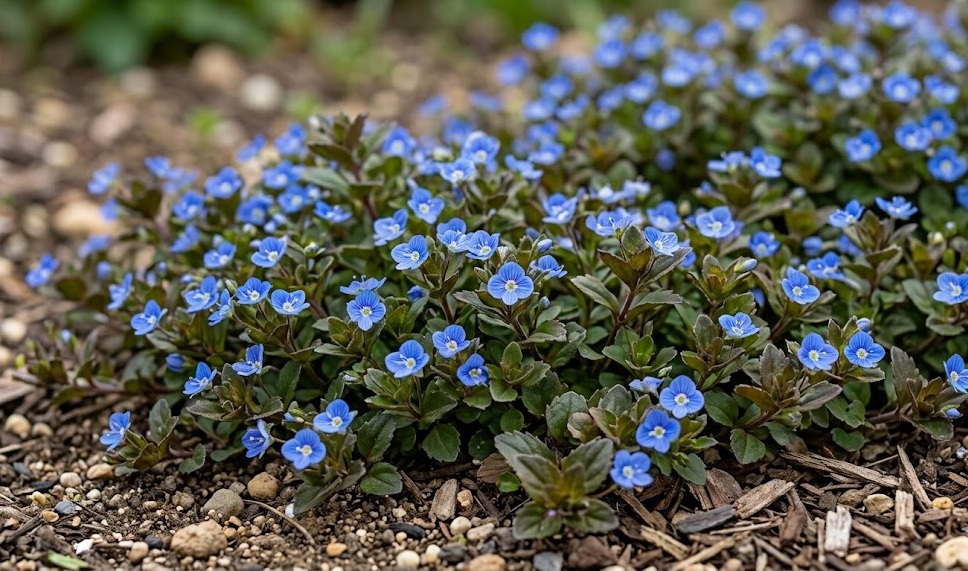

Maintaining a vibrant garden requires consistent effort and an understanding of the specific needs of each plant variety. Georgia blue speedwell is a particularly rewarding groundcover that offers stunning azure flowers and resilient foliage throughout the seasons. This plant is known for its low-growing habit and its ability to suppress weeds while providing a lush carpet of green. To ensure its long-term health, gardeners must pay attention to various environmental factors and maintenance tasks that promote vigorous growth.
General maintenance for groundcovers
The primary goal of maintenance is to support the natural spreading habit of the foliage without allowing it to become unruly. Regular inspections of the plant bed help in identifying any areas where the growth might be thinning or becoming too dense. A healthy stand of these flowers will naturally fill in gaps over time if the conditions are favorable. It is helpful to keep the surrounding area clear of aggressive weeds that might compete for resources.
Observing the color of the leaves can provide immediate feedback on the health of the plant during the growing season. Lush, dark green leaves indicate that the plant is receiving sufficient nutrients and is well-hydrated. If the foliage begins to look yellow or stunted, it may be a sign of environmental stress or soil depletion. Keeping a close eye on these subtle changes allows for timely intervention before any serious issues arise.
Air circulation is an often overlooked aspect of plant care that significantly impacts the overall health of low-growing species. While these plants form a dense mat, ensuring that the air can move freely around the patches prevents moisture buildup. This is especially important during humid summer months when stagnant air can lead to fungal problems. Strategic spacing during the initial planting phase sets the foundation for better air movement as the plant matures.
Seasonal transitions require a slight shift in how gardeners approach the care of their landscape. In the spring, the focus is on encouraging new growth and preparing for the spectacular flowering display. During the summer heat, the priority moves toward moisture retention and heat protection. Autumn provides a window for cleaning up the beds and preparing the root systems for the dormant winter period.
More articles on this topic
Soil management and health
The foundation of a thriving plant lies within the quality and structure of the soil in which it grows. Georgia blue speedwell prefers a well-drained medium that prevents water from sitting around the root zone for extended periods. Heavy clay soils can be improved by adding organic matter such as compost or aged leaf mold. This enhancement increases the porosity of the soil while also providing a slow-release source of nutrients.
Maintaining a neutral to slightly acidic pH level is generally ideal for most speedwell varieties. It is a good practice to test the soil every few years to ensure that the mineral balance remains stable. If the soil is too alkaline, sulfur can be added, while lime can help if the acidity is too high. A balanced soil environment allows the roots to absorb the necessary elements for cellular development and bloom production.
Microbial activity within the soil contributes to a healthy ecosystem that supports plant vitality. Incorporating organic mulches or compost encourages beneficial fungi and bacteria to thrive near the root systems. These microorganisms break down complex materials into forms that are easily accessible to the plant. A living soil is much more resilient against pathogens and extreme weather fluctuations than sterilized or depleted earth.
Drainage is perhaps the most critical factor when considering the long-term success of this groundcover. In areas where the ground stays naturally soggy, consider planting on a slight slope or creating raised beds. Excess moisture can quickly lead to root rot, which is often difficult to reverse once it has taken hold. Ensuring that water moves through the profile efficiently will keep the root system oxygenated and strong.
More articles on this topic
Weed control strategies
Keeping the planting area free of invasive species is essential for the aesthetic and physical health of the groundcover. Because this plant grows relatively close to the ground, tall weeds can quickly overshadow it and steal sunlight. Early intervention in the spring is the best way to prevent weed seeds from germinating and taking over the bed. Hand-pulling is often the most effective method for removing unwanted plants without damaging the delicate stems of the speedwell.
As the plant matures and spreads, it creates a natural barrier that makes it harder for weeds to establish themselves. This living mulch effect is one of the primary benefits of using a dense groundcover in professional landscaping. However, until the coverage is complete, gardeners must remain vigilant and consistent with their weeding routine. Using a layer of organic mulch in the open spaces can significantly reduce the amount of labor required.
Avoiding the use of harsh chemical herbicides is recommended to protect the delicate foliage and the surrounding soil life. Many broad-leaf weed killers can also harm the speedwell, leading to unsightly brown patches or stunted growth. If a large area needs treatment, spot application or the use of natural alternatives is a safer approach. Maintaining a thick, healthy carpet of plants is ultimately the best defense against any unwanted invaders.
Mulching not only suppresses weeds but also helps in maintaining a consistent temperature in the upper layers of the soil. Bark chips or pine needles are excellent choices that decompose slowly over time while looking professional. Care should be taken not to pile the mulch directly against the crowns of the plants to avoid rot. A thin layer is usually sufficient to block light from weed seeds while allowing the speedwell to spread.
Seasonal maintenance tasks
Every season brings a unique set of requirements that the gardener must address to keep the landscape looking its best. In early spring, removing any dead or damaged foliage from the previous winter helps the new shoots emerge cleanly. This is also the perfect time to apply a light layer of compost to boost the initial growth spurt. Watching for the first signs of blue flowers is a rewarding experience that signals the start of the active season.
During the peak of the summer, the focus shifts to ensuring that the groundcover does not dry out completely during heatwaves. While this variety is somewhat drought-tolerant once established, extreme heat can cause the leaves to curl or brown at the edges. Providing supplemental water during the early morning hours reduces evaporation and gives the plant time to hydrate. Maintaining the aesthetic appeal during the hottest months requires a balance of hydration and observation.
Late summer is an excellent time to evaluate the spread of the plant and decide if any thinning is necessary. If the groundcover is encroaching on paths or other plant specimens, it can be easily trimmed back with garden shears. This keeps the borders neat and prevents the speedwell from becoming an aggressive neighbor in the garden bed. Regular tidying ensures that the garden maintains a professional and well-managed appearance throughout the year.
The arrival of autumn marks the time to prepare the perennial beds for the upcoming cold weather. Clearing away fallen leaves from larger trees is important because a thick layer of wet leaves can smother the low-growing foliage. Allowing light and air to reach the plant until the first hard frost helps it store energy in its roots. Taking these small steps in the fall ensures a much faster recovery when the temperatures rise in the spring.
Monitoring plant health
Developing a keen eye for detail allows a gardener to spot potential problems before they escalate into major issues. Checking the underside of leaves and the base of the stems can reveal hidden pests or early signs of disease. Healthy plants should feel firm to the touch and exhibit a consistent color across the entire patch. Any sudden changes in growth rate or appearance should be investigated immediately to determine the cause.
Environmental stress can often manifest as wilting even when the soil appears to be sufficiently moist. In such cases, the problem might be related to high temperatures, excessive wind, or even soil compaction. Identifying the specific stressor is the first step toward finding a sustainable solution for the plant. Moving a struggling specimen to a more sheltered location or improving the soil structure can often save it.
Professional gardeners often keep a simple log of when certain tasks are performed and how the plants respond. This record-keeping helps in identifying patterns, such as when the first blooms appear or when certain pests typically arrive. Over time, this knowledge becomes an invaluable tool for predicting the needs of the garden. Understanding the unique rhythm of the Georgia blue speedwell makes the maintenance process much more intuitive.
Collaboration with local agricultural extensions or garden clubs can provide additional insights into regional challenges. Sometimes a specific weather pattern or a new pest in the area can affect how the plants perform in a particular year. Staying informed about local gardening conditions ensures that your care routine is based on the most accurate and relevant information. A proactive approach to learning always leads to a more successful and beautiful garden.
Improving aesthetic appeal
The visual impact of a mass planting of blue speedwell is most impressive when the foliage is dense and uniform. Deadheading, or removing spent flowers, is not strictly necessary for the health of the plant but can encourage a cleaner look. Some gardeners find that a light shearing after the main flowering period promotes a fresh flush of green leaves. This keeps the groundcover looking vibrant and prevents it from appearing “leggy” or sparse in the center.
Integrating this groundcover with other plants requires a thoughtful approach to color and texture. The deep blue flowers pair beautifully with silver-foliaged plants or yellow-blooming perennials for a striking contrast. Because of its low height, it serves as an excellent foreground plant that anchors taller specimens in the background. Creating layers within the garden bed adds depth and professional complexity to the overall landscape design.
The bronze tint that the foliage often takes on during the cooler months adds another layer of visual interest to the garden. Instead of a dull brown, the leaves transition into a rich, dark hue that complements the winter landscape. Appreciating these subtle color shifts allows for a year-round enjoyment of the plant’s presence. Choosing plants that offer multi-seasonal interest is a hallmark of sophisticated garden planning.
Pathways and stone edges provide a perfect frame for the soft texture of the speedwell foliage. Allowing the plant to slightly spill over the edges of a stone walkway creates a natural and established feel. This softened edge effect is highly sought after in cottage gardens and professional park settings alike. Maintaining the boundary between the plant and the path ensures that the design remains intentional and tidy.
Long-term garden vitality
Investing time in the early stages of a plant’s life pays significant dividends in its long-term performance. Georgia blue speedwell is a long-lived perennial that can remain a staple of the garden for many years with proper care. Avoiding over-fertilization and over-watering prevents the plant from becoming weak or susceptible to environmental shocks. A steady, moderate approach to maintenance is always better than erratic bursts of heavy intervention.
As the years pass, the center of an older patch may occasionally become less productive or thin out. When this happens, it is usually a sign that the plant needs to be rejuvenated through division or soil enrichment. Taking the time to refresh the bed every few years ensures that the display remains as vigorous as it was during the first season. Perennials are dynamic living systems that benefit from occasional disruption and renewal.
Protecting the soil structure from compaction is vital for the continued health of the root system. Avoiding walking directly on the groundcover beds prevents the crushing of delicate stems and the hardening of the earth. If access is needed for maintenance, the use of stepping stones or temporary boards can distribute weight more evenly. Roots need access to oxygen and water, both of which are restricted in compacted, hard-packed soil.
Ultimately, the success of a gardening project is measured by the health of the plants and the joy they bring to the space. Georgia blue speedwell is a reliable and beautiful choice for anyone looking to add color and texture to their landscape. By following professional guidelines and staying attentive to the plant’s needs, you can create a stunning outdoor environment. A well-cared-for garden is a testament to the dedication and skill of the person who tends it.