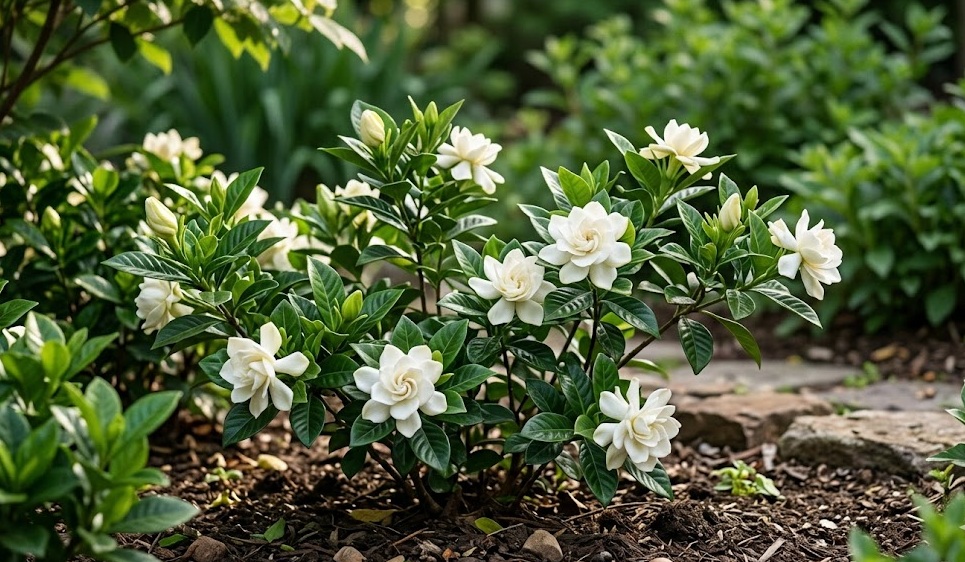

Gardenias are widely regarded as some of the most rewarding yet demanding plants a gardener can choose to cultivate in their collection. Their signature ivory blooms and deep green foliage offer a classic aesthetic that fits perfectly into both traditional and modern garden designs. Achieving success with these plants requires a dedicated approach that respects their specific evolutionary adaptations to humid and warm environments. You must be prepared to monitor their progress closely and adjust your care routine based on the subtle signals the plant provides through its leaves and buds.
Understanding the foundational needs of gardenias
The primary challenge in maintaining these plants lies in recreating their native subtropical habitat within a home or garden setting. You should begin by recognizing that consistency is the most important factor in preventing stress-related issues such as bud drop or leaf yellowing. These plants do not respond well to sudden changes in temperature, moisture, or light intensity, so gradual transitions are always preferred. By establishing a stable environment, you allow the plant to focus its energy on developing its complex and highly fragrant floral structures.
A successful care routine involves more than just occasional watering; it requires a holistic view of the plant’s health and its relationship with the surrounding air. High humidity is a non-negotiable requirement for these plants, as dry air can quickly lead to the desiccation of delicate flower buds. You might consider placing the pot on a tray filled with pebbles and water to naturally increase the local moisture levels through evaporation. Additionally, ensuring that the plant is sheltered from cold drafts or hot air vents will prevent the physiological shocks that often lead to decline.
The soil composition serves as the literal foundation for everything the plant achieves during the growing season. It is vital to use a medium that is rich in organic matter while still providing the necessary drainage to prevent root suffocation. Acidic soil conditions are essential for nutrient uptake, specifically for iron, which gardenias require in significant quantities to maintain their dark green color. If the soil becomes too alkaline, the plant will struggle to process nutrients even if they are present in the surrounding medium.
Observation is the most powerful tool in your gardening kit when it is applied to the care of these sensitive specimens. You should make a habit of checking the undersides of leaves and the tips of new growth for any signs of struggle or unwanted guests. Noticing a slight change in leaf texture or a slowing of growth can help you identify a problem before it becomes a major threat to the plant’s survival. Early intervention is always more effective than trying to rescue a plant that has already entered a state of significant distress.
More articles on this topic
Creating the ideal microclimate for growth
Temperature management plays a critical role in the timing and quality of the blooms you can expect from your gardenia. These plants generally prefer daytime temperatures between 18 and 24 degrees Celsius to facilitate healthy metabolic processes and leaf production. However, for the plant to set flower buds correctly, it often requires slightly cooler nighttime temperatures around 15 degrees Celsius. If the nights remain too warm, the plant may produce lush foliage but fail to deliver the fragrant flowers that make it so desirable.
Air circulation is an often overlooked aspect of the gardenia’s microclimate that can make the difference between health and disease. While they love humidity, stagnant air can create a breeding ground for fungal pathogens that affect both leaves and flowers. You should aim for a location that receives gentle, natural air movement without being exposed to harsh or drying winds. In indoor environments, a small fan kept at a distance can help keep the air moving enough to prevent moisture from sitting too long on the foliage.
The intensity of light exposure must be carefully balanced with the ambient temperature to avoid scorched leaves or stunted growth. Morning sun is typically ideal as it provides the energy needed for photosynthesis without the intense heat of the afternoon. If you are growing your gardenias in a particularly hot climate, providing dappled shade during the peak hours of the day will protect the delicate tissues from UV damage. Conversely, too much shade will result in a leggy plant with sparse flowering, so finding that “sweet spot” of light is a continuous task.
Seasonal shifts require you to be proactive in how you manage the plant’s immediate environment to ensure year-round vitality. As the days grow shorter and temperatures drop, the plant’s metabolic rate slows down, and its needs for water and nutrients decrease accordingly. You should resist the urge to keep the plant in the same conditions year-round, as a slight winter rest period can lead to a more vigorous growth spurt in the spring. Understanding these natural cycles will help you become a more intuitive and successful gardener in the long run.
More articles on this topic
Choosing the correct soil and container
Selecting the right container is the first step in ensuring that your gardenia has the space and drainage it needs to flourish over time. Traditional terracotta pots are often preferred because they are porous and allow for better gas exchange between the roots and the atmosphere. However, because they dry out more quickly, you must be more vigilant about your watering schedule to ensure the root ball never becomes completely parched. Plastic or glazed ceramic pots retain moisture longer but require extra attention to ensure that excess water can escape freely through drainage holes.
The actual potting mix should be a specialized blend designed for acid-loving plants to provide the correct chemical environment from day one. A mixture containing peat moss, perlite, and composted pine bark is usually effective at maintaining acidity while ensuring structural stability. You should avoid standard garden soil, which is often too heavy and may contain pathogens or weed seeds that can compromise a container-grown plant. Adding a small amount of coarse sand can also improve the internal drainage and prevent the compaction that often leads to root rot.
Repotting should be handled with extreme care, as gardenias possess a sensitive root system that does not tolerate rough handling or frequent disturbance. You should only consider moving the plant to a larger container when it has clearly outgrown its current space or when the soil has begun to break down and lose its structure. Typically, this process is best performed in the early spring just as the plant begins its active growth phase for the year. Always choose a new pot that is only slightly larger than the old one to prevent the soil from holding more water than the roots can handle.
Maintaining the proper pH level of the soil is an ongoing responsibility that requires periodic testing and adjustment. You can use simple home testing kits to monitor whether the soil remains in the ideal range of 5.0 to 6.0 for maximum nutrient availability. If the soil begins to drift toward a more neutral or alkaline state, you may need to apply soil acidifiers or use acidified water to correct the balance. Keeping the soil in this specific range ensures that the plant can easily access the iron and manganese it needs for vibrant health.
Humidity and its impact on flowering
The relationship between atmospheric moisture and the successful opening of gardenia buds is one of the most delicate aspects of their care. When humidity levels are too low, the outer scales of the flower buds can become dry and hard, preventing the petals from expanding and leading to premature bud drop. You should aim to maintain a relative humidity level of at least 50 to 60 percent around the plant at all times. This is especially important during the late spring and summer when the plant is actively producing its most significant floral display.
Misting the foliage is a common technique used by many gardeners, but it must be done correctly to avoid encouraging fungal growth on the leaves. It is best to mist the plant in the early morning so that the water has plenty of time to evaporate before the cooler evening temperatures arrive. Avoid spraying water directly onto the open flowers, as this can cause unsightly brown spotting and lead to the rapid decay of the delicate blooms. Using a room humidifier is often a more effective and consistent way to manage moisture levels without the risks associated with wet foliage.
Grouping plants together is a natural way to create a more humid microclimate through the collective process of transpiration. When multiple plants are placed in close proximity, they release moisture into the air, creating a small pocket of higher humidity that benefits the entire group. This strategy is particularly effective for indoor gardenias placed in bright rooms where the air might otherwise be quite dry. You can further enhance this effect by placing decorative bowls of water among the plants to increase the overall evaporation rate in the area.
If you notice that your gardenia is still dropping buds despite your best efforts, it may be a sign that the humidity is fluctuating too wildly. Sudden drops in moisture levels, even for a short period, can trigger a survival response in the plant that causes it to shed its most energy-expensive structures. Consistency is far more important than achieving extremely high humidity levels only once in a while. By creating a stable and moist environment, you provide the plant with the security it needs to bring its beautiful flowers to full maturity.
Monitoring growth and development
As your gardenia matures, you will notice distinct patterns in how it produces new leaves and where it chooses to set its flower buds. New growth is typically a lighter, more vibrant green and is very soft to the touch before it eventually hardens and turns a deeper shade. You should monitor the distance between the leaf nodes, as excessively long stems can indicate that the plant is stretching for more light. Conversely, very tight growth with small leaves might suggest that the plant is under some form of environmental or nutritional stress.
The development of flower buds is a slow process that requires patience and a steady hand in your care routine. You will first see small, green, pointed structures appearing at the tips of the branches or in the leaf axils. Over several weeks, these buds will swell and eventually show a hint of white at the tip just before they are ready to unfurl. During this critical window, any significant change in the plant’s environment can cause the buds to fall off, so avoid moving the plant or changing your watering habits.
Health can also be assessed by the overall posture of the plant and the strength of its woody stems. A healthy gardenia should feel firm and resilient, with branches that can support the weight of the heavy, moisture-rich flowers. If the stems feel soft or the plant seems to be drooping even when the soil is moist, it may indicate a problem with the roots or a systemic infection. Keeping an eye on these physical characteristics allows you to act quickly if the plant starts to show signs of internal weakness.
Documenting the progress of your plant through the seasons can be an invaluable way to learn about its specific needs in your unique environment. You might note when the first buds appear, how long the flowering season lasts, and how the plant reacts to specific weather patterns in your area. This personal record helps you move beyond general advice and develop a customized care plan that works for your specific specimen. Over time, this knowledge will make you a more confident and successful gardenia enthusiast.
Adapting care for different seasons
Spring represents the beginning of the most active period for gardenias, as the increasing light and warmth trigger new growth and bud formation. This is the time to slowly increase your watering frequency and begin a regular fertilization schedule to support the upcoming flowering season. You should also check for any winter damage and carefully remove any dead or weak wood to make room for fresh stems. As the threat of frost passes, outdoor plants can be moved to their permanent summer positions to enjoy the fresh air and natural sunlight.
Summer care is focused primarily on heat management and maintaining consistent moisture levels during the hottest days of the year. You may need to water your gardenia more frequently, sometimes even daily if it is kept in a container on a sunny patio. Mulching the surface of the soil can help retain moisture and keep the root zone cool, which is essential for preventing heat stress. Continue to monitor for pests, as many common garden insects are most active during the warm summer months and can quickly colonize a healthy plant.
Autumn is a transitional period where you should begin to slow down the rate of fertilization and allow the plant’s growth to harden off before winter. As the nights cool down, you will notice a decrease in water consumption, and you should adjust your schedule to avoid leaving the roots in cold, soggy soil. For plants kept outdoors in borderline climates, this is the time to prepare your protection strategies or plan for moving them indoors. Reducing the nitrogen content in your fertilizer during this time helps prevent soft, late-season growth that is easily damaged by cold.
Winter is the most challenging time for many gardenia owners, especially when trying to keep them healthy in an indoor environment. The combination of low light and dry indoor air can be very taxing on the plant’s systems, requiring a specialized approach to watering and humidity. You should only water when the top inch of soil feels dry and keep the plant in the brightest possible location to compensate for the shorter days. While the plant may not grow much during this time, maintaining its health through the winter ensures a strong start when spring finally returns.
Long-term health and rejuvenation
A gardenia that has been well-cared for can live for many years, becoming a substantial and impressive part of your plant collection. As the plant ages, it may become somewhat woody at the base and lose some of its lower foliage, which is a natural part of its development. You can manage this by performing regular light pruning to encourage new growth from the interior of the plant. A well-structured plant will have a balanced shape that allows light and air to reach all parts of the canopy, promoting health from the inside out.
Soil exhaustion is a common issue for older gardenias kept in containers, as the organic matter breaks down and the minerals are depleted. Even with regular fertilization, the physical structure of the soil eventually degrades and becomes less hospitable to the sensitive root system. You should plan to replace a significant portion of the potting medium every few years to refresh the environment and provide new space for root growth. This “refreshment” can breathe new life into an older plant that has started to show signs of slowing down or losing vigor.
Sometimes, a gardenia may become severely overgrown or neglected, requiring a more drastic approach to rejuvenation through heavy pruning. While this can be a stressful experience for the plant, it is often the only way to restore a pleasing shape and encourage a flush of healthy new stems. This type of pruning should only be done on a healthy plant that has the energy reserves to recover from such a significant intervention. Following a hard prune, the plant will need extra attention regarding water and nutrients to support the rapid development of new foliage.
Ultimately, the longevity of your gardenia depends on your willingness to adapt your care as the plant grows and the environment changes. What worked for a small sapling may not be sufficient for a large, established bush with a complex root system and high nutrient demands. By remaining curious and attentive to the plant’s changing needs, you ensure that it remains a source of beauty and fragrance for many years to come. Your relationship with the plant will evolve, and with it, your skill as a gardener will continue to grow and deepen.
Gardenias are the ultimate test of a gardener’s patience and technical skill, particularly when it comes to soil pH. I’ve found that maintaining an acidic range between 5.0 and 6.0 is the single most important factor for preventing chlorosis. If the soil becomes even slightly alkaline, the plant loses its ability to uptake iron, leading to those dreaded yellow leaves. I always recommend a slow-release fertilizer specifically formulated for acid-loving plants. Additionally, mulching with pine needles or bark can help maintain that acidity over time while also regulating soil temperature. Do you have any specific recommendations for organic amendments that won’t disrupt the delicate root system? I’ve been experimenting with coffee grounds, but the results have been inconsistent.
Harrison, I’ve had much better success using elemental sulfur or chelated iron sprays for a more immediate correction of pH-related yellowing. Coffee grounds can be helpful, but they often don’t provide the rapid change that a struggling gardenia needs. I also agree that the root system is incredibly sensitive; I never cultivate the soil around the base of the plant to avoid damaging the shallow feeder roots. Instead, I just layer composted manure on top and let the worms do the work of incorporating it. One thing I’ve noticed is that bud drop often occurs when the temperature fluctuates too wildly at night. Keeping them in a sheltered spot away from drafts is a must for successful blooming.
The scent of a gardenia is incomparable, but getting them to bloom consistently is definitely an art. I’ve found that they require a very specific balance of moisture—never dry, but never waterlogged. Many beginners overwater their gardenias, leading to root rot which manifests as wilting that looks like the plant needs more water. It’s a vicious cycle that usually ends in the death of the specimen. I use a moisture meter religiously to ensure I’m hitting that sweet spot. It’s also worth noting that they prefer high humidity, so regular misting can be beneficial if you’re growing them indoors. Great article, it really highlights the “demanding” nature of these beautiful plants!
In professional landscaping, we often treat Gardenia jasminoides as a semi-permanent installation because of its temperamental nature. However, if you get the placement right—protected from the afternoon sun and harsh winds—they can thrive for decades. I always emphasize the importance of drainage; if you have heavy clay soil, planting them in a raised bed is non-negotiable. I’ve seen too many beautiful specimens drown during a wet spring because they were planted in a low-lying area. Adding plenty of perlite or coarse sand to the planting hole can also help significantly. It’s all about creating that perfect micro-environment for them.