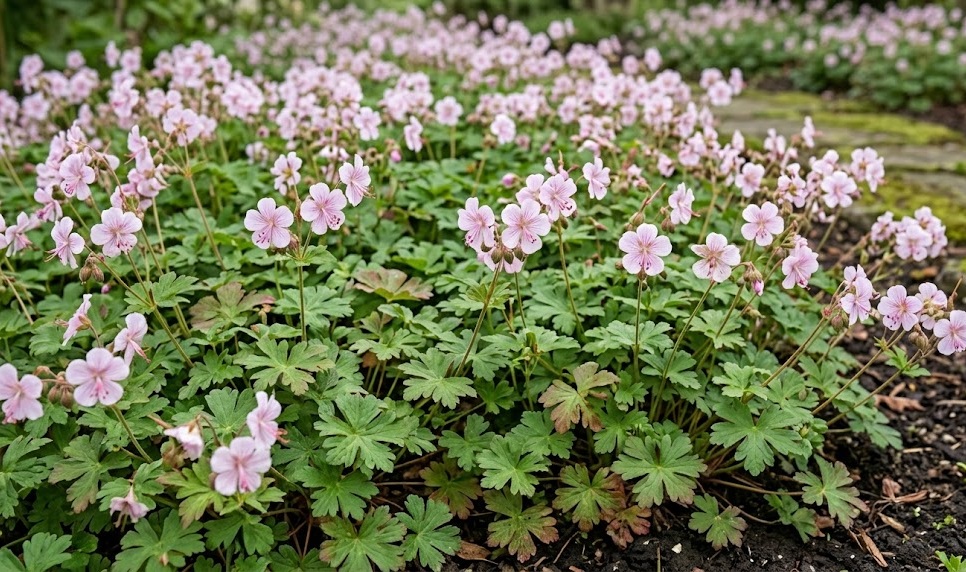

Proper hydration and nutritional management are the twin pillars of maintaining a vibrant and healthy Cambridge cranesbill throughout the growing season. While this plant is famously drought-tolerant once established, it still requires a thoughtful approach to watering during its first year. Ensuring that the roots have access to sufficient moisture allows the plant to build the energy reserves needed for its signature floral display. A consistent routine will prevent the stress that often leads to secondary issues like pest infestations or diseases.
In the early stages after planting, the focus should be on keeping the soil consistently moist but never saturated. The young root system is not yet deep enough to tap into the lower levels of the water table, making it vulnerable to surface drying. You should check the soil every few days by inserting a finger an inch or two into the ground to feel the moisture level. If the soil feels dry and crumbly, it is time to give the plant a deep and thorough drink.
As the plant matures, its water needs will decrease significantly as it develops a more extensive and efficient root network. Established colonies can often survive for weeks without supplemental watering, even during the typical dry spells of mid-summer. However, providing a little extra hydration during prolonged heatwaves will keep the foliage looking lush and prevent the plant from entering a premature dormancy. The goal is to support the plant’s natural resilience rather than making it dependent on constant irrigation.
Watering should ideally be done in the early morning to allow any moisture on the leaves to dry before the sun becomes too intense. This practice helps to prevent fungal spores from germinating on damp foliage, which can be an issue in humid environments. Avoid light, frequent sprinkling, as this only wets the surface and encourages shallow root growth that is more susceptible to drought. Deep watering encourages the roots to grow downward, creating a more stable and self-sufficient plant over the long term.
Managing hydration during extreme summer heat
During the peak of summer, high temperatures and intense sunlight can put a significant strain on even the hardiest garden inhabitants. You might notice the leaves of your cranesbill drooping slightly in the late afternoon, which is a common defense mechanism to reduce water loss. If the plant recovers its turgidity by the next morning, it is usually coping well with the environmental conditions. However, if the foliage remains limp or begins to turn yellow at the edges, it is a clear sign that the plant needs immediate help.
More articles on this topic
In such cases, a slow and deep soaking is the most effective way to rehydrate the soil and the plant’s tissues. Using a soaker hose or a drip irrigation system can be particularly beneficial as it delivers water directly to the root zone without wetting the foliage. This method is not only more efficient but also ensures that the moisture reaches the depths where it is most needed. During extreme heat, you may need to increase the frequency of these deep waterings to compensate for the rapid evaporation from the soil.
Mulching is another vital tool for managing hydration during the hottest months of the year. A thick layer of organic mulch, such as shredded bark or compost, acts as an insulating blanket for the soil and the roots. It significantly reduces the amount of water lost to evaporation and keeps the root zone several degrees cooler than the bare ground. This extra layer of protection can be the difference between a plant that thrives in the heat and one that merely survives.
Be careful not to overcompensate for the heat by drowning the plant in an attempt to keep it cool. Overwatering in hot weather can lead to warm, stagnant conditions in the soil that are perfect for the development of root rot. It is always better to observe the plant and the soil carefully rather than sticking to a rigid calendar-based schedule. By learning the subtle cues of your garden, you can provide the perfect amount of water to keep your cranesbill healthy and resilient.
Nutrient requirements and soil enrichment strategies
While Cambridge cranesbill is not a heavy feeder, it does benefit from a steady supply of essential nutrients to support its dense growth. In naturally rich garden soil, the plant may require very little in the way of supplemental fertilization to remain healthy. However, if you are growing it in poorer soils or in the same spot for many years, adding some nutrients can provide a noticeable boost. A balanced approach ensures that the plant grows strongly without becoming overly lush or susceptible to pests.
More articles on this topic
The best time to apply nutrients is in the early spring as the plant begins its first major growth spurt of the year. A light application of a slow-release, balanced fertilizer can provide a steady stream of minerals throughout the flowering season. Alternatively, a top-dressing of high-quality compost or well-rotted manure serves the dual purpose of feeding the plant and improving the soil structure. Organic amendments are often preferred by professional gardeners because they support the overall health of the soil ecosystem.
Avoid the use of high-nitrogen fertilizers, which can encourage excessive leaf growth at the expense of the beautiful flowers. Too much nitrogen can also lead to soft, weak stems that are more likely to flop over or become targets for sap-sucking insects. The goal of fertilization should be to supplement what is naturally available rather than overwhelming the plant with chemical inputs. Observing the color and vigor of the leaves will tell you if your feeding strategy is working or if adjustments are needed.
In the late summer or autumn, it is generally best to stop fertilizing to allow the plant to naturally slow down and prepare for winter. Late-season feeding can stimulate new, tender growth that will not have time to harden off before the first frosts arrive. This young growth is easily damaged by cold weather, which can create entry points for disease and weaken the plant’s overall structure. A natural cycle of spring feeding followed by a quiet summer and autumn is the most sustainable way to manage nutrition.
Choosing between organic and synthetic fertilizers
When deciding how to feed your Cambridge cranesbill, you have the choice between synthetic chemical products and natural organic options. Synthetic fertilizers offer the advantage of precise nutrient ratios and immediate availability to the plant’s roots. They can be very effective for a quick boost if a plant is showing clear signs of a specific deficiency. However, they do not contribute to the long-term health of the soil and can sometimes lead to a buildup of salts over time.
Organic fertilizers, on the other hand, work more slowly as they rely on soil microbes to break them down into a form the plant can use. This slow-release mechanism is much more aligned with the natural growth patterns of the geranium and provides a more stable nutrient environment. Materials like bone meal, fish emulsion, or seaweed extracts offer a wide range of micronutrients that are often missing from synthetic blends. Using these products helps to foster a diverse and healthy population of beneficial organisms in your garden soil.
Many gardeners find that a combination of both approaches works best for their specific needs and garden conditions. For example, you might use a high-quality organic compost as a base and supplement it with a small amount of balanced synthetic fertilizer during a particularly demanding season. This balanced strategy provides the best of both worlds: long-term soil health and short-term nutrient security. The most important thing is to follow the application instructions on any product you choose to avoid over-fertilizing.
Regardless of the product you use, always apply fertilizer to moist soil and water it in thoroughly afterward to help the nutrients reach the roots. Applying fertilizer to dry soil can sometimes cause “burn” to the delicate root hairs, leading to more harm than good. If your plants look exceptionally healthy and are blooming well, you may even decide that no fertilizer is necessary at all. This plant is a master of efficiency and can often find everything it needs in a well-managed garden environment.
Recognizing signs of nutrient deficiency or overwatering
Being able to read the signs that your Cambridge cranesbill is sending you is one of the most important skills any gardener can develop. If the leaves start to turn a pale or yellowish color while the veins remain green, the plant may be suffering from a lack of iron or magnesium. Conversely, if the growth is stunted and the older leaves are turning purple or dark red prematurely, a phosphorus deficiency might be the cause. Catching these signs early allows you to provide a targeted supplement before the plant’s health is seriously compromised.
Overwatering presents a different set of symptoms that can sometimes be confused with nutrient issues or even drought. Yellowing leaves that feel soft and mushy, rather than dry and brittle, are a classic sign of too much moisture in the root zone. In severe cases, the entire plant may start to collapse, and you might notice a sour or foul smell coming from the soil. This indicates that the roots are suffocating from a lack of oxygen, and immediate steps must be taken to improve the drainage.
If you suspect that your plant is struggling with excess water, the first step is to stop all irrigation immediately and let the soil dry out. In some cases, you may even need to lift the plant and replant it in a more suitable location or improve the existing soil with grit. It is much harder to save a plant from the advanced stages of root rot than it is to help one recover from a short period of dry weather. Prevention, through proper site selection and mindful watering, remains the most effective strategy.
Regularly inspecting your plants and taking note of any changes in their appearance will help you stay ahead of potential problems. Healthy Cambridge cranesbill should have firm, green leaves and strong, upright stems that show no signs of distress. If you are unsure about what a specific symptom means, consulting with a local nursery or a professional horticulturist can provide valuable clarity. Understanding the balance between water and nutrients is the key to a flourishing and long-lived garden display.
The drought tolerance of this plant is its best selling point for urban gardens. I’ve seen it survive on some of my sun-baked balconies with only minimal intervention. However, I noticed that the leaf color can turn a bit reddish or bronze if the soil gets too dry for too long. While it looks interesting, it’s usually a sign of stress, and a deep watering usually brings the green back. I avoid high-nitrogen fertilizers as I’ve found they prioritize leaves over the delicate flowers we all love. A slow-release organic granules once a year in spring is usually more than enough.