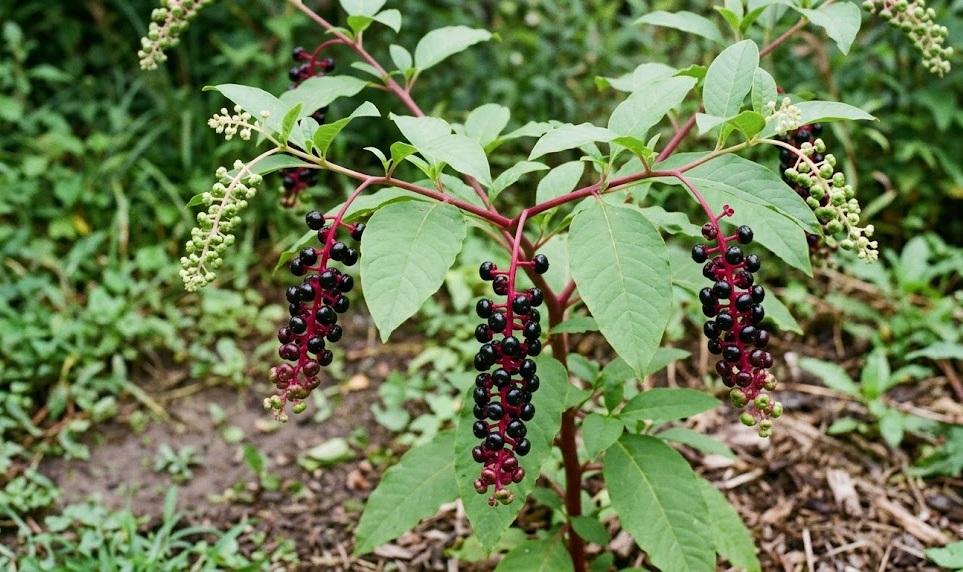

The American pokeweed is a robust and resilient perennial that can add a dramatic flair to any large garden space if managed correctly. Mastering the care of this plant requires a deep understanding of its vigorous growth patterns and its tendency to spread quickly through its root system. You need to be prepared for its impressive height, which can reach up to ten feet under the right environmental conditions throughout the summer. Consistent observation is the primary key to ensuring that it remains a beautiful focal point rather than becoming an invasive nuisance in your landscape.
Maintaining the health of this species involves monitoring the soil moisture levels and ensuring that the plant has enough room to breathe. Although it is quite hardy, providing a layer of mulch around the base can help regulate temperature and keep the roots happy during extreme heat. You should also keep an eye on the surrounding plants to make sure the pokeweed does not overshadow smaller, more delicate species. Regular inspections will help you catch any minor issues before they turn into significant problems for your garden’s ecosystem.
The aesthetic appeal of the plant lies in its deep green leaves and the striking purple-black berries that appear in the late summer months. To keep these features looking their best, you should occasionally remove any yellowing or damaged leaves that might detract from the plant’s overall appearance. This practice not only improves the look of the garden but also encourages the plant to direct its energy toward healthy new growth. A well-maintained pokeweed stands as a testament to a gardener’s dedication to balancing wild beauty with structured care.
In terms of physical support, the sheer size and weight of a mature American pokeweed can sometimes cause the stems to lean or even snap during heavy storms. You might find it helpful to provide some form of staking or support if your garden is located in a particularly windy area. Ensuring the stems remain upright allows for better air circulation throughout the foliage, which is essential for preventing moisture-related issues. By taking these simple steps, you can enjoy the majestic presence of this plant while minimizing the risk of structural damage.
Soil and nutrient management
Providing the right foundation is essential for the long-term success of your American pokeweed, as it thrives best in rich, loamy soil. You should aim for a soil structure that is well-draining but still capable of retaining a moderate amount of organic matter to feed the plant. Adding compost to the site before the growing season begins can provide a slow-release source of nutrients that supports rapid stem development. When the soil is properly prepared, the plant will reward you with lush, vibrant foliage that remains green well into the autumn.
More articles on this topic
The pH level of the soil also plays a significant role in how well the plant can absorb the necessary minerals for its metabolic processes. American pokeweed generally prefers slightly acidic to neutral soil, so it is a good idea to test your garden beds occasionally. If the soil is too alkaline, you might notice a slight yellowing of the leaves, which indicates a lack of iron or other micronutrients. Adjusting the soil chemistry with organic amendments can quickly rectify these issues and restore the plant to its full glory.
Because this plant grows so quickly, it can be quite a heavy feeder during the peak of the spring and summer months. You should monitor the growth rate and look for any signs of slowing down, which might suggest that the soil nutrients are being depleted. Applying a balanced organic fertilizer every few weeks can help maintain the momentum of the growth cycle without overstimulating the plant. This consistent supply of food ensures that the plant has the resources needed to produce its characteristic berries and flowers.
Healthy soil biology is another factor that you should not overlook when caring for such a large and hungry perennial species. Encouraging earthworms and beneficial microbes in the root zone will help break down organic material and improve the overall soil aeration. Avoiding the use of harsh chemical pesticides in the vicinity of the plant will protect these vital organisms and create a more sustainable environment. A living, breathing soil ecosystem is the best insurance policy for a thriving and resilient American pokeweed in your backyard.
Physical support and spacing strategies
Due to its potential to reach massive proportions, you must give careful thought to the spacing of American pokeweed within your garden layout. Giving each plant at least three to four feet of space in every direction will allow it to expand without competing for light with its neighbors. Proper spacing is not just about aesthetics; it is a vital part of disease prevention because it allows for maximum airflow. When plants are crowded, they become much more susceptible to mildews and other pathogens that thrive in stagnant, humid environments.
More articles on this topic
Supporting the heavy, berry-laden branches of a mature specimen is often necessary to maintain the structural integrity of the plant. You can use tall wooden stakes or heavy-duty metal supports to keep the central stalks from flopping over after a heavy rainfall. It is best to put these supports in place early in the season so that the plant can grow into them naturally over time. This proactive approach prevents the sudden collapse of the plant, which can be difficult to fix once the stems have become woody.
If you are growing pokeweed as a backdrop for other flowers, consider how its shadow will move throughout the day across the rest of the bed. The dense canopy of a fully grown pokeweed can provide welcome shade for smaller plants, but it can also starve sun-loving species of their light. Planning your garden tiers accordingly will ensure that every plant gets the energy it needs to thrive alongside this giant. You can create a beautiful layered effect by placing shorter, shade-tolerant perennials directly at the base of the pokeweed.
The stems of the pokeweed are surprisingly succulent and brittle despite their size, making them prone to mechanical damage from wind or passing animals. You should avoid planting them in high-traffic areas where they might be bumped or broken by people or pets. If a stem does break, it is best to prune it back cleanly to the nearest healthy node to encourage new growth. Protecting the physical structure of the plant ensures that it remains a stately and impressive feature of your landscape for the entire season.
Seasonal monitoring and adaptation
As the seasons change, the needs of your American pokeweed will shift, requiring you to adapt your maintenance routine accordingly. In the early spring, your focus should be on clearing away any debris from the previous year to make room for new shoots. This is the time to check the soil moisture and ensure that the emerging plant has everything it needs for its initial growth spurt. Being attentive during this transition period sets the stage for a successful and healthy growing season ahead.
During the heat of mid-summer, the plant will be at its most active and will likely require more frequent checks for water and pests. You should be looking for any signs of heat stress, such as drooping leaves in the afternoon sun, which might indicate a need for extra hydration. This is also the period when the flowers begin to form, marking the start of the most ornamental phase of the plant’s life. Keeping the plant well-hydrated during this time ensures that the flower clusters develop fully and transition into beautiful berries.
As autumn approaches, the foliage of the American pokeweed may begin to change color, often turning a deep, attractive shade of purple or red. This is a natural part of the plant’s life cycle as it begins to move nutrients back down into its large taproot for the winter. You should continue to monitor the plant for any late-season pests that might try to take advantage of the aging leaves. It is also the perfect time to decide whether you want to harvest the seeds or let them fall naturally to the ground.
Once the first hard frost hits, the above-ground portion of the plant will die back completely, leaving behind a dormant root system. You can then cut the dead stalks down to the ground level to keep the garden looking tidy and organized. Removing the old material also helps to reduce the number of hiding spots for garden pests that might overwinter in the debris. This final act of care completes the yearly cycle and prepares the site for the plant’s return in the following spring.
Managing the spread and self-seeding
One of the most challenging aspects of caring for American pokeweed is managing its natural tendency to spread throughout the garden. The plant produces an abundance of seeds within its dark berries, which are highly attractive to local bird populations. These birds play a major role in distributing the seeds across your property, often resulting in new plants popping up in unexpected places. To prevent an unwanted takeover, you must be vigilant about removing young seedlings before they have a chance to establish their deep taproots.
If you want to limit the spread of the plant, you should consider removing the berry clusters before they fully ripen and fall. This practice, known as deadheading, is very effective at reducing the number of new seeds that enter the soil bank each year. While the berries are beautiful, sacrificing them can save you a lot of weeding and maintenance work in the future. You can still enjoy the plant’s flowers and foliage while keeping its reproductive potential under strict control.
For those who enjoy a more naturalistic or wild garden style, allowing some self-seeding might be a desirable outcome for the landscape. In this case, you should still select which seedlings to keep and which to remove to maintain a sense of order. Keeping the population in check ensures that the pokeweed does not become a monoculture that pushes out other important native plants. Strategic thinning of the new growth will allow you to enjoy the presence of the species without it becoming overwhelming.
The deep taproot of a mature pokeweed is incredibly difficult to remove once it has become established in the ground. If you find a seedling in a spot where it is not wanted, it is vital to dig it up immediately while the root is still small. Once the root grows large and fleshy, even a small piece left in the ground can potentially regenerate into a new plant. Consistent monitoring of your garden beds will help you stay ahead of the plant’s vigorous and determined growth habits.
Safety and toxicity awareness
It is crucial for any gardener working with American pokeweed to be fully aware of the plant’s toxic properties for humans and pets. Every part of the plant, including the roots, leaves, and especially the berries, contains compounds that can be harmful if ingested. You should always wear gloves when handling the plant, as some individuals may experience skin irritation from the sap. Keeping children and domestic animals away from the plant is a fundamental safety requirement for any household with this species in the garden.
Educating everyone who spends time in your garden about the dangers of the pokeweed berries is a vital part of its care. The berries can look quite appetizing to the uninformed, but they should never be consumed under any circumstances without professional knowledge. If you have young children, it might be best to remove the berries as soon as they appear to eliminate any risk of accidental ingestion. Being a responsible gardener means balancing the beauty of the plant with the safety of your family and community.
When you are pruning or removing parts of the plant, make sure to dispose of the waste material safely and effectively. You should avoid putting pokeweed parts into a home compost pile where the seeds might survive and later be spread back into the garden. Instead, bagging the material and disposing of it with yard waste is often a much safer and more controlled option. Taking these precautions ensures that you are not inadvertently creating new problems while trying to maintain your current landscape.
In the event of accidental contact or ingestion, you should seek professional medical advice or contact a poison control center immediately. While the plant has historical uses in traditional medicine, these applications require expert preparation that should not be attempted by the average gardener. Respecting the plant’s chemical defenses is part of treating it with the professional care it deserves as a powerful botanical specimen. By maintaining a high level of safety awareness, you can appreciate the plant’s unique qualities without putting anyone at risk.
Long term sustainability and ecological role
Despite its reputation for being aggressive, the American pokeweed plays a significant role in the local ecosystem by providing food for wildlife. Many species of birds, such as cedar waxwings and bluebirds, rely on the berries as a vital source of energy during their migration. By including this plant in your garden, you are contributing to the biodiversity of your area and supporting native animal populations. Understanding this ecological context can help you appreciate the plant as more than just a decorative element in your yard.
Maintaining a long-term relationship with this plant involves finding a balance between its needs and the needs of your overall garden design. You might find that the pokeweed moves around your property over the years, finding new spots where the light and soil are just right. Embracing this dynamic nature can make your gardening experience more interesting and rewarding as you observe the plant’s natural behavior. A sustainable garden is one where both the gardener and the plants can thrive in a harmonious and well-managed environment.
As the plant matures over several years, its root system will become an anchor in the soil, helping to prevent erosion in certain areas. This can be particularly useful on slopes or in wilder parts of your property where other plants might struggle to take hold. The large leaves also provide cover and nesting sites for various beneficial insects that help control other garden pests. Recognizing these hidden benefits can change your perspective on the pokeweed and lead to a more nuanced approach to its care.
Ultimately, the goal of caring for American pokeweed is to enjoy its unique beauty while keeping its vigorous nature under professional management. With the right techniques and a consistent schedule, you can turn this wild giant into a sophisticated and manageable part of your botanical collection. You should feel proud of your ability to cultivate such a powerful plant and integrate it into a diverse and healthy garden. Your dedication to professional horticulture ensures that your garden remains a place of beauty, safety, and ecological value.
Managing Phytolacca americana requires a disciplined approach, especially regarding its seed dispersal. While the article highlights its vigor, I must add that the taproot can become nearly impossible to remove if the plant is allowed to mature for several years. I always recommend installing root barriers if you plan to keep it in a structured garden setting. The height is truly impressive, but it can become top-heavy during late summer storms if not staked properly. If you have children or pets, please be extremely mindful of the toxic berries that appear in autumn. Despite the risks, the purple-red stems provide a structural element that few other perennials can match.
I actually enjoy the wild look of pokeweed in the back of my border, but I’ve noticed it attracts a lot of birds. This is great for biodiversity, but it means I find “volunteers” popping up everywhere the following spring. Do you have any tips for stopping the spread without removing the berries entirely? I love the aesthetic of the dark fruit but I don’t want a pokeweed forest. Maybe there is a specific time to cut the stalks before the berries drop?