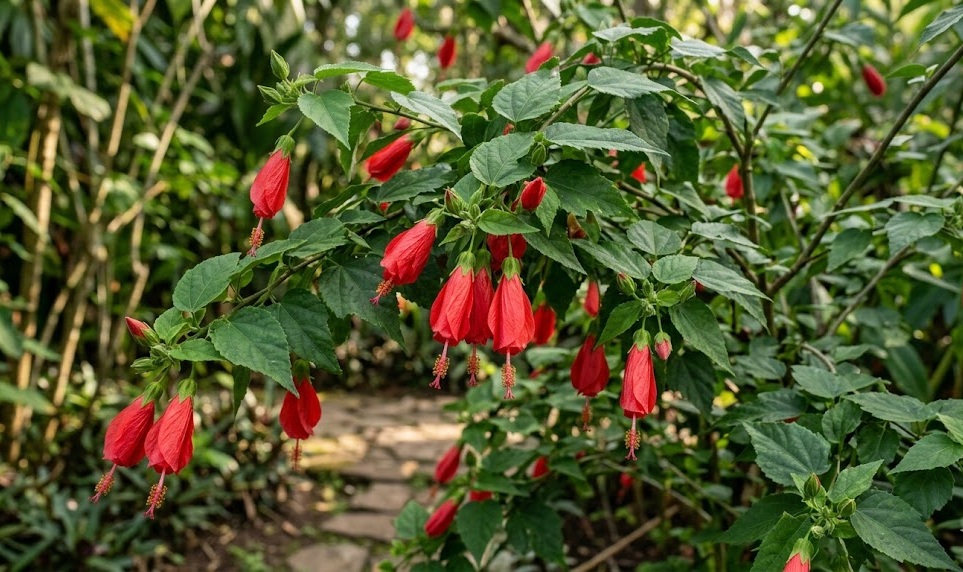

Mastering the art of pruning and cutting back the sleeping hibiscus is essential for maintaining both its aesthetic appeal and its biological health. Because this shrub is a vigorous grower, it can quickly become overgrown or unruly if left to its own devices for several seasons. Regular pruning allows you to control the size and shape of the plant, ensuring it fits perfectly within your garden design or container arrangement. More importantly, it stimulates the production of new wood, which is where the most prolific flowering occurs, leading to a much more impressive floral display.
Pruning is not just about removing excess growth; it is a strategic intervention that helps the plant direct its energy more efficiently. By cutting away dead, diseased, or crossing branches, you improve the overall structure of the shrub and allow more light and air to reach its interior. This reduces the risk of pest and disease issues while encouraging a more symmetrical and balanced growth habit. For a professional gardener, a pair of sharp pruning shears is one of the most important tools for ensuring the long-term success of a tropical hibiscus collection.
The timing of your pruning is just as important as the technique used, as cutting at the wrong time can accidentally remove developing flower buds. Generally, the best time for a major “shaping” prune is in the early spring, just as the plant is beginning its new growth cycle. This gives the hibiscus the entire summer to recover and produce the new stems that will carry the season’s blossoms. Lighter maintenance pruning can be done throughout the summer to keep the plant tidy and to remove any spent flowers or leggy stems.
In this article, we will explore the professional methods for pruning the sleeping hibiscus, from basic maintenance to more drastic rejuvenation techniques. We will discuss the types of cuts you should make and the tools you will need to achieve the best results with minimal stress to the plant. Whether you want to maintain a compact shrub for a patio or a large, arching specimen for a garden border, proper pruning is the key. With a bit of practice and knowledge, you can shape your hibiscus into a true horticultural masterpiece.
Why regular pruning is essential
The primary reason to prune a sleeping hibiscus is to encourage the growth of new, healthy wood that will support a heavy crop of flowers. Like many tropical shrubs, this species tends to bloom most profusely on the current season’s growth, so removing old, unproductive wood is a direct way to increase the floral display. If you leave the plant unpruned, it may become “top-heavy” with flowers only at the ends of long, bare stems, which is far less attractive. Regular cutting back forces the plant to branch out from lower down, creating a much fuller and more lush appearance.
More articles on this topic
Pruning also plays a vital role in maintaining the structural integrity of the plant, especially for older specimens that may have developed weak or brittle branches. By removing any stems that are growing at awkward angles or rubbing against each other, you prevent physical damage and create a stronger framework for the shrub. This is particularly important if your garden is prone to heavy rains or winds that could snap poorly positioned branches. A well-pruned plant is a resilient plant, better able to withstand the environmental stresses of the growing season.
Air circulation and light penetration are two other critical benefits of a professional pruning routine for any dense shrub like the hibiscus. Opening up the center of the plant allows breezes to move through the foliage, which helps the leaves dry quickly and reduces the chance of fungal infections. It also ensures that the inner leaves receive enough sunlight to remain green and productive rather than turning yellow and dropping off due to shade. This internal health is what prevents the “hollow” look that often affects unmaintained shrubs over time.
Finally, pruning is the most effective way to manage the size of the plant and keep it from overwhelming its neighbors or its container. In a small garden or on a patio, a sleeping hibiscus can quickly outgrow its space if its vigorous growth is not kept in check. By selectively removing the longest stems and thinning out the canopy, you can maintain a beautiful specimen that is perfectly scaled to its environment. This level of control is one of the most satisfying aspects of gardening and allows you to integrate the hibiscus into even the most tightly planned landscapes.
Timing and techniques for best results
As mentioned, early spring is the optimal time for a major pruning session, typically just as the first new buds are beginning to swell on the stems. At this stage, the plant has plenty of stored energy and the warming weather will trigger a rapid healing process for the cuts you make. You should start by removing the “three Ds”: any wood that is dead, damaged, or diseased, cutting back to healthy, green tissue. This initial cleanup immediately improves the health of the plant and makes it easier to see the underlying structure for further shaping.
More articles on this topic
When making your cuts, always use a sharp, clean pair of bypass pruners to ensure a clean slice that won’t crush the delicate stem tissues. You should cut at a 45-degree angle about half a centimeter above an outward-facing bud or a leaf node. This encourages the new growth to spread outward away from the center of the plant, maintaining an open and airy structure. Avoid leaving long “stubs” above the buds, as these will simply die back and can provide an entry point for pests or decay.
For a general shaping, you can remove up to one-third of the total growth without causing any long-term harm to a healthy sleeping hibiscus. Focus on removing the tallest stems to control the height and any lateral branches that are crossing over into the space of other plants. If the shrub has become very dense, you can also perform some “thinning cuts” by removing entire branches all the way back to the main trunk. This reduces the total number of stems while maintaining the plant’s overall size and shape, leading to a more elegant and refined look.
During the summer months, you can perform light “pinching” of the growing tips to encourage even more branching and a more compact habit. Simply use your fingers or a small pair of snips to remove the very tip of a soft, green stem just above a pair of leaves. This stops the upward growth of that specific stem and triggers the buds below it to start growing, effectively doubling the number of flowering tips. This simple technique is a professional secret for creating the most densely flowered and perfectly shaped hibiscus specimens.
Tools and safety for professional pruning
Having the right tools for the job makes pruning both easier for you and better for the plant, ensuring clean cuts and a professional finish. A high-quality pair of bypass pruners is your most important tool, as they work like scissors to make a clean cut through soft and semi-woody stems. For thicker branches that are more than a centimeter in diameter, you may need a pair of loppers, which provide more leverage and a larger cutting surface. Always keep your blades sharp and free of rust to prevent tearing the bark or spreading diseases between plants.
Sterilizing your tools is a professional habit that is often overlooked but is critical for preventing the spread of fungal and bacterial pathogens. You can use a solution of ten percent bleach in water or simply wipe the blades with rubbing alcohol between plants or even between cuts if you are working on a diseased specimen. This simple step can save your entire collection from a single infected plant and is a hallmark of a truly expert gardener. Clean tools also last longer and are much more pleasant to use throughout the season.
Safety should also be a consideration, especially when pruning larger shrubs that may require you to reach into the center of the plant. Wearing a sturdy pair of gardening gloves will protect your hands from scratches and any potential skin irritation from the plant’s sap or fuzzy leaves. Eye protection is also a good idea if you are working with overhead branches or in a very dense area where a snapped stem could fly toward your face. Working carefully and methodically ensures that both you and your plant come through the pruning process safely.
After you have finished pruning, it is a good idea to give the plant a deep watering and a light feeding to help it recover and jumpstart the new growth. Avoid the urge to use “pruning paint” or sealants on the cuts, as most modern research shows that plants heal better when the wounds are allowed to dry naturally in the air. Simply keep an eye on the plant over the next few weeks to ensure it is responding well and that no new issues are arising. With these professional techniques, your sleeping hibiscus will remain a healthy, vibrant, and perfectly shaped feature of your garden.