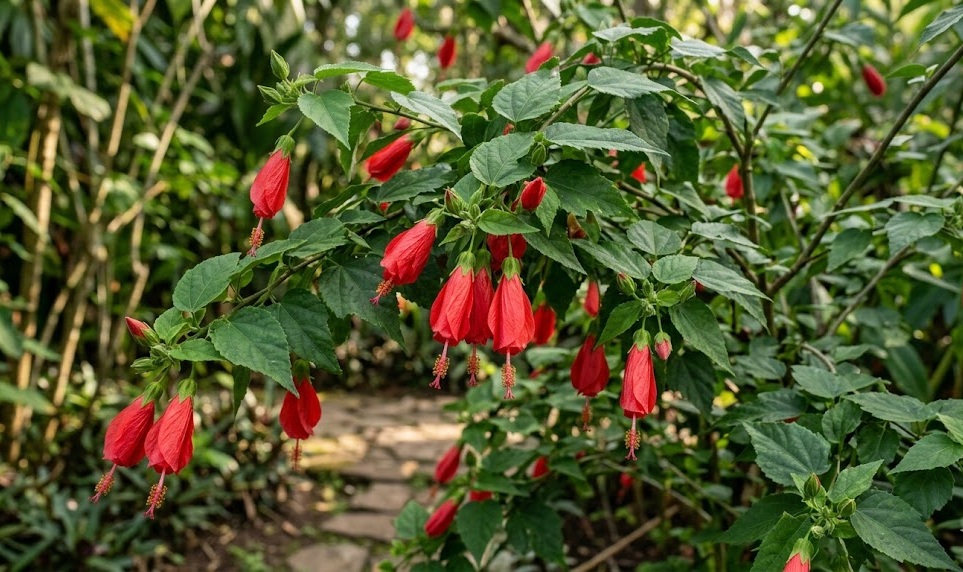

Preparing your sleeping hibiscus for the winter months is a critical task for any gardener living outside of tropical or subtropical regions. Because this plant is native to warmer climates, it has very little natural tolerance for freezing temperatures and can be severely damaged or killed by a single cold night. The process of overwintering involves more than just bringing the plant inside; it requires a strategic shift in care to ensure the shrub survives its period of dormancy. By following professional techniques, you can successfully preserve your plants year after year, allowing them to grow larger and more impressive with each passing season.
The timing of your winter preparations is essential, as you want to move the plant to a protected area before the first frost occurs. Once the nighttime temperatures begin to consistently drop below ten degrees Celsius, the plant’s metabolism starts to slow down significantly. This is the natural signal that it is time to transition from the active growth of summer to the restorative rest of winter. Waiting too long can lead to cold shock, which weakens the plant and makes it more susceptible to problems during its time indoors.
There are several different methods for overwintering, depending on your available space and the specific climate of your region. Some gardeners choose to keep their plants actively growing in a warm, bright room, while others prefer to let them go dormant in a cool garage or basement. Each approach has its own set of requirements and challenges that must be managed to ensure the plant emerges healthy in the spring. Understanding the pros and cons of these methods allows you to choose the one that best fits your situation and the needs of your hibiscus.
This article will guide you through the technical steps of overwintering your sleeping hibiscus, from the initial move to the spring reawakening. We will discuss temperature requirements, light needs, and the specific watering and feeding routines that are appropriate for the winter months. With a bit of planning and care, you can turn a potentially stressful season into a period of successful preservation for your tropical collection. Maintaining the continuity of your plant’s life is one of the most rewarding aspects of professional gardening.
Hardiness limits and cold sensitivity
The sleeping hibiscus is generally considered a tropical or warm-temperate plant, typically thriving in USDA zones 9 through 11. In these regions, it can often stay in the ground year-round with only minimal protection during rare cold snaps. However, for those in colder zones, the plant must be treated as a tender perennial or a container plant that moves seasonally. Understanding exactly how much cold your specific variety can handle is the first step in deciding when and how to protect it for the winter.
More articles on this topic
Exposure to temperatures below five degrees Celsius can cause the leaves of the sleeping hibiscus to turn yellow and drop off, which is the plant’s way of conserving energy. While it may survive a light, brief frost if it is well-established and protected by a wall, the soft green stems are very likely to be killed back to the ground. If the root ball itself freezes, the plant will almost certainly die, as the cellular structure is not designed to withstand the expansion of ice. This is why keeping the roots warm is the most important goal of any overwintering strategy.
In areas where the winters are mild but still occasionally frosty, a thick layer of mulch and a protective cover can sometimes be enough to save a plant in the ground. Professional landscapers often use “frost blankets” or heavy burlap to wrap the shrub when a freeze is predicted, removing the cover during the day when the sun comes out. This method is risky in colder climates, where the sustained cold will eventually penetrate even the thickest insulation. For most gardeners, moving the plant to a completely frost-free environment is the only way to guarantee its survival.
Humidity also plays a role in cold sensitivity, as dry winter air can be just as damaging to the plant as the cold itself. In its native habitat, the sleeping hibiscus is accustomed to relatively high moisture levels even when temperatures are cooler. When the air becomes very dry, the plant loses moisture through its stems and any remaining leaves more quickly than the cold roots can replace it. This desiccation is a common cause of winter death in tropical plants and is something that must be actively managed during the overwintering process.
Indoor overwintering in active growth
If you have a very bright, south-facing window or a heated sunroom, you can choose to keep your sleeping hibiscus actively growing throughout the winter. This method has the advantage of maintaining the plant’s beautiful foliage and potentially even a few sporadic flowers during the darkest months. However, the plant will likely grow much more slowly than it does in the summer, and it will require careful monitoring to prevent stress. The key is to provide as much natural light as possible to mimic the intensity of the tropical sun.
More articles on this topic
Because indoor environments are often very dry due to central heating, you will need to take steps to increase the humidity around the plant. Placing the pot on a tray filled with pebbles and water or using a small humidifier nearby can make a world of difference for the hibiscus. You should also avoid placing the plant near heat vents or drafty windows, both of which can cause sudden fluctuations in temperature. Aim for a consistent daytime temperature around twenty degrees Celsius and slightly cooler at night for the best results.
Watering an actively growing hibiscus indoors requires a delicate touch, as the plant will not need nearly as much water as it did outside. The goal is to keep the soil slightly moist but never wet, as the reduced light levels mean the plant is not photosynthesizing as quickly. Always check the soil with your finger before adding water, and ensure that any excess drains away completely from the bottom of the pot. Overwatering in the winter is the most common mistake made by indoor gardeners and quickly leads to root rot.
You should also suspend all fertilization during the winter months, even if the plant is still producing new leaves. Forcing the plant to grow with chemical stimulants when light levels are low can result in weak, leggy stems that are prone to pest infestations. If the plant becomes too large for its indoor space, you can do some light pruning to maintain its shape, but save the heavy cutting for the spring. Think of the winter as a “holding pattern” where the goal is maintenance rather than expansion or rapid development.
Dormant overwintering in cool spaces
For those who don’t have enough indoor space or light, letting the sleeping hibiscus go dormant in a cool, dark area is a very effective alternative. A garage, basement, or insulated shed that stays between five and twelve degrees Celsius is an ideal location for this method. At these temperatures, the plant will stop growing and likely drop all of its leaves, entering a state of “sleep” that protects it from the cold. This is a natural process for many plants and is nothing to worry about as long as the stems and roots stay alive.
Before moving the plant into its winter quarters, prune it back by about one-third to one-half of its original size to make it more manageable and reduce its moisture needs. Remove any remaining flowers or buds, as the plant won’t have enough energy to support them during its dormancy. This is also a good time to check the plant one last time for any pests to ensure you aren’t bringing them into your storage area. Once pruned and cleaned, the hibiscus is ready for its winter rest in the cool darkness.
During dormant overwintering, the plant’s water needs are extremely low because it has no leaves to lose moisture through transpiration. You only need to water the pot once every three to four weeks, just enough to prevent the root ball from becoming bone-dry and shrinking away from the sides of the pot. The soil should feel barely damp to the touch, and you should never see water sitting in the saucer. It is a good idea to set a reminder on your calendar, as it is easy to forget about a plant that is tucked away in a dark corner.
As the winter progresses, the stems may look a bit shriveled or gray, which is normal for a dormant plant. You can check if the plant is still alive by gently scratching a small area of the bark with your fingernail to look for green tissue underneath. If the tissue is green and moist, the plant is doing well and simply waiting for the warmth of spring to return. If the stem is brown and brittle all the way to the base, it may have succumbed to the cold or extreme dryness.
Transitioning back to the garden in spring
The transition from the protected environment of winter back to the outdoors is a gradual process known as “hardening off.” You should start this process once the threat of frost has completely passed and the nighttime temperatures are consistently above ten degrees Celsius. Moving the plant directly from a dark garage into the bright spring sun will cause the tender new growth to burn and die. Instead, start by placing the plant in a shaded, sheltered spot for a few hours each day, gradually increasing its exposure over two weeks.
As the plant begins to feel the warmth and see more light, you will notice tiny green buds starting to swell and break along the stems. This is the signal that the hibiscus is waking up and its metabolic rate is increasing, which means it will need more water and its first feeding of the year. You can now begin to increase your watering frequency and apply a balanced, diluted fertilizer to support the upcoming growth spurt. This is also the best time to repot the plant if it has become root-bound in its winter container.
If you chose the dormant method, you might want to give the plant a final “cleanup” prune to remove any tips that may have died back during the winter. Cut back to just above a healthy, green bud to encourage the plant to branch out and create a full, bushy shape. Be patient, as some plants can take a few weeks to fully wake up and start showing significant new growth after a long period of dormancy. Once the plant has stabilized and is growing vigorously, it can be moved to its permanent summer location in the full sun.
The first few weeks back in the garden are a time for close observation to ensure the plant is adapting well to its new environment. Watch out for any sudden temperature drops or heavy spring storms that might require you to provide some temporary protection. This careful transition ensures that all the hard work you put into overwintering pays off with a healthy, vibrant plant that is ready to bloom. Successfully bringing a tropical plant through the winter is a true mark of horticultural skill and dedication.