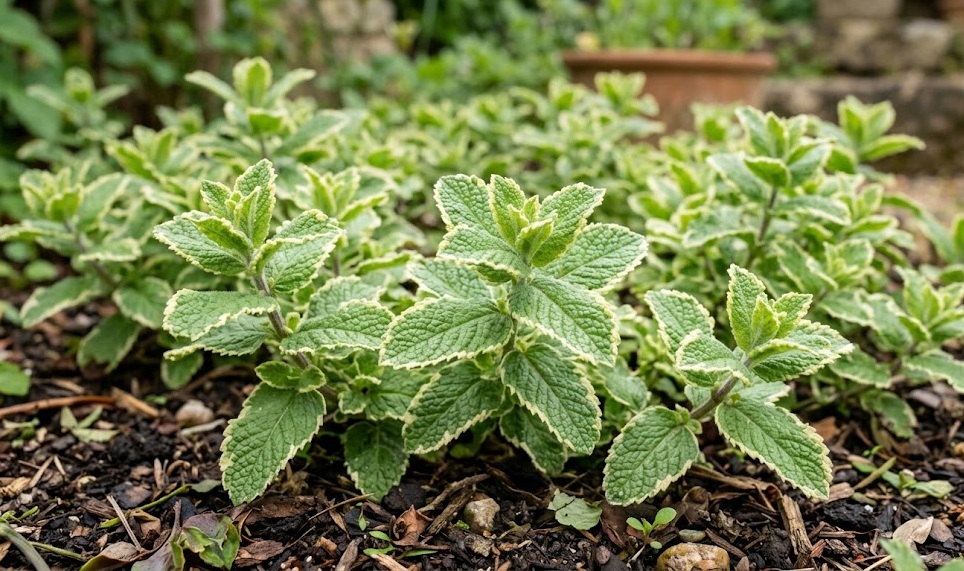

Pruning and cutting back are essential maintenance tasks for pineapple mint that go far beyond simple aesthetics; they are critical for maintaining the plant’s health, vigor, and aromatic quality. Because this variegated herb has a natural tendency to spread and can become woody over time, a professional approach to pruning ensures the plant remains compact and productive. You should view pruning as a form of “rejuvenation” that stimulates the growth of fresh, lush foliage which contains the highest concentration of the characteristic pineapple scent. By mastering the timing and techniques of cutting back, you can keep your mint looking its best throughout the entire growing season and prevent it from becoming an overgrown or leggy nuisance.
The philosophy of pruning pineapple mint is centered on the principle of “pinching and thinning” to encourage a bushy, multi-branched habit. If left to its own devices, a mint plant will often produce long, single stems that eventually flop over, creating a messy appearance and reducing air circulation at the base. By regularly removing the growing tips, you signal the plant to redirect its energy into lateral buds, resulting in a much denser and more visually appealing specimen. This humanized and proactive care is especially important for variegated cultivars, as it keeps the colorful new growth at the forefront of the plant’s display.
There are different types of pruning that you will perform throughout the year, ranging from light “deadheading” of flowers to aggressive “hard cuts” in the late season or early spring. Each of these actions serves a specific purpose in the life cycle of the plant and requires a professional understanding of how the herb responds to physical intervention. For instance, removing the flower spikes early in the summer prevents the plant from setting seed and keeps its focus entirely on the aromatic leaves. Understanding these biological responses allows you to manipulate the plant’s growth to suit your specific garden goals and culinary needs.
Finally, the tools and techniques you use for pruning are just as important as the frequency of the task to ensure the plant remains disease-free. You should always use sharp, sterilized shears or scissors to make clean cuts, as jagged or bruised tissue is a primary entry point for fungal pathogens. A professional gardener also knows to prune on a dry day to allow the “wounds” to heal quickly in the air and sunlight. By treating the pruning process with the respect it deserves, you provide your pineapple mint with the best possible conditions for long-term survival and exceptional productivity in your herb garden.
Techniques for seasonal maintenance
Light, regular pruning, often called “pinching,” is a task you should perform every few weeks during the active growing months of spring and summer. This involves using your thumb and forefinger (or a small pair of snips) to remove the top two to four leaves of every stem. This simple action breaks the plant’s “apical dominance” and encourages two new stems to grow from the leaf nodes below the cut. You will find that this constant attention results in a thick, carpet-like groundcover that is much more resistant to pests and diseases than an unpruned patch.
More articles on this topic
During the middle of the summer, your pineapple mint may begin to produce tall, vertical stems topped with small, light-colored flower spikes. While these flowers are attractive to bees and other pollinators, they can make the stems woody and the leaves less aromatic as the plant’s energy shifts toward reproduction. To maintain the highest culinary quality, you should prune these flowering stems back by at least half their length as soon as the buds appear. This keeps the plant in a “vegetative” state, ensuring a continuous supply of the soft, fragrant leaves that are the hallmark of this variety.
Another important aspect of mid-season pruning is the removal of any stems that have “reverted” to a solid green color. In variegated plants like pineapple mint, these solid green stems are often more vigorous because they have more chlorophyll and can produce energy more efficiently. If you do not prune them out right at the soil line, they will eventually outcompete and overwhelm the variegated parts of the plant. A professional eye is always looking for these reversions to ensure the unique aesthetic of the cultivar is preserved year after year.
Finally, thinning out the center of a dense mint clump is a professional technique that improves air circulation and reduces the risk of fungal infections. If the plant becomes too crowded, the lower leaves will not receive enough light or air and will eventually turn yellow and rot. You can selectively remove about one-third of the oldest stems from the base of the plant to create “breathing room” within the patch. This internal pruning keeps the entire plant healthy and ensures that even the inner leaves remain vibrant and productive throughout the season.
Hard pruning and rejuvenation
At least once or twice during the growing season, your pineapple mint will benefit from a more aggressive “hard pruning” to reset its growth and restore its vigor. This is particularly useful in the late summer if the plant has become leggy, sparse, or stressed by the heat and has lost its attractive shape. You can cut the entire plant back to within five to ten centimeters of the ground, leaving just a few sets of leaves on each stem to facilitate recovery. While it may look a bit drastic at first, the plant will respond with a flush of fresh, vibrant, and highly variegated new growth within a matter of weeks.
More articles on this topic
Early spring is the other primary time for a hard prune, as it clears away the remnants of the previous year’s growth and makes room for the new season’s shoots. As soon as you see the first signs of green appearing at the base of the plant, you should remove all the old, woody stems from the winter. This “spring cleaning” ensures that the new growth is not obstructed and that the plant can start the year with a clean, healthy structure. It also gives you a chance to inspect the root zone and address any issues like overcrowding or invasive runners.
When performing a hard prune, it is a professional practice to provide the plant with a little extra support to help it recover from the shock. A light application of organic compost or a balanced liquid fertilizer, combined with a deep watering, will provide the energy needed for the rapid regrowth phase. You should also keep a close eye on the weather and avoid hard pruning if a period of extreme heat or drought is expected, as this can overstress the plant. By timing your rejuvenation cuts correctly, you can extend the productive life of your pineapple mint and keep it looking like a young plant for many years.
If you are growing pineapple mint as a groundcover, you can even use a lawnmower on a high setting to perform a hard prune over a large area. This is a common professional landscape technique that keeps the “mint lawn” uniform and prevents it from becoming too tall and unkempt. The plant is incredibly resilient and will quickly bounce back from this type of mechanical pruning, provided the blades are sharp and the weather is favorable. This efficient approach allows you to manage large areas of mint with minimal manual labor while still maintaining a high level of plant health.
Best practices for harvesting and tools
Harvesting your pineapple mint for use in the kitchen is, in fact, a form of pruning that contributes to the plant’s overall maintenance and health. When you harvest, you should never remove more than one-third of the total foliage at one time to ensure the plant has enough leaf area to continue photosynthesizing. It is best to take small amounts from many different stems rather than stripping one entire section of the plant bare. This “distributed harvesting” keeps the plant’s shape balanced and prevents any one area from becoming weak or exposed.
The choice of tools for pruning and harvesting is a hallmark of a professional approach to herb gardening. For light pinching, your fingers are often the best tool as they allow for a high degree of precision and cause minimal damage to the delicate stems. For larger pruning tasks or hard cuts, a sharp pair of bypass pruners or specialized herb snips are the preferred choice. You should avoid using anvil-style pruners, which can crush the stems of the mint rather than cutting them cleanly, leading to slower healing and increased disease risk.
Sterilizing your tools between plants is a critical professional step that prevents the spread of pathogens like mint rust from one patch to another. A simple wipe with a cloth soaked in rubbing alcohol or a quick dip in a weak bleach solution is all that is needed to keep your tools clean. This is especially important if you are pruning multiple varieties of mint or working in different areas of the garden where diseases might be present. By maintaining high standards of tool hygiene, you protect the investment you have made in your variegated mint collection.
Finally, remember that the goal of all pruning and cutting back is to create a plant that is both beautiful and functional in your garden. There is no “perfect” way to prune, and a humanized approach involves learning through experience how your specific plants respond to your touch. Some years may require more aggressive cutting back than others, depending on the weather and the overall vigor of the patch. With consistent, professional-grade pruning, your pineapple mint will remain a highlight of your herb garden, providing a sensory delight for you and your guests every single day.
This article correctly emphasizes the importance of managing the spread of pineapple mint through regular pruning. I have found that neglecting the cutting back process leads to a significant loss in the variegation of the leaves, as the plant tends to revert to solid green when under stress. For professional culinary use, I recommend harvesting the tips early in the morning before the sun evaporates the essential oils. If you notice the stems becoming excessively woody, it is often a sign that the plant needs a more aggressive rejuvenation prune. This practice not only keeps the plant aesthetically pleasing but also ensures the flavor remains bright and citrusy. I usually perform a hard cut in mid-summer to encourage a second flush of tender growth for the autumn season.
Does the timing of pruning change significantly if I am growing pineapple mint in a hydroponic setup versus a traditional garden bed? I am currently observing much faster growth rates in my vertical system, which requires me to trim nearly every two weeks. I am concerned that such frequent cutting might stress the root system or deplete the nutrient levels too quickly. The article mentions vigor, but does it account for the high-intensity light environments of indoor setups? I would appreciate any insights on how to balance leaf production with long-term plant health in artificial climates. It seems that the standard rules for outdoor herbs might need some adjustment here.
In my experience with indoor systems, you actually have to be more vigilant about pruning because the lack of wind means the stems don’t strengthen as naturally. You should focus on thinning out the center to allow better airflow, even in a hydroponic setup, to prevent fungal issues. While frequent trimming is necessary, make sure you aren’t removing more than 30% of the foliage at once. The nutrient uptake will spike after a prune, so monitor your EC levels closely in your reservoir. It is a delicate balance, but pineapple mint is resilient enough to handle it if the light quality is consistent.