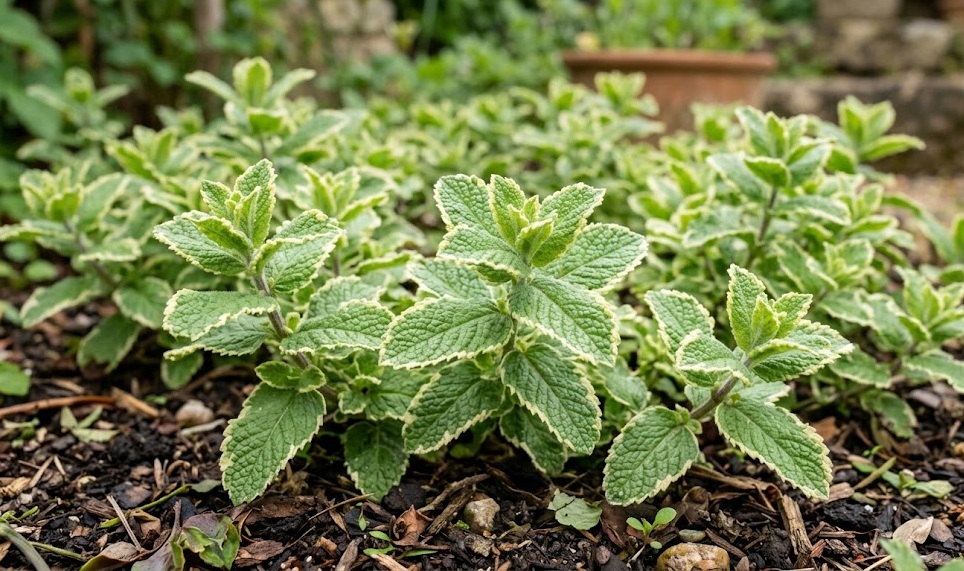

Understanding the specific light requirements of pineapple mint is a critical component of professional herb cultivation, as the intensity and duration of sunlight directly dictate the plant’s ornamental and aromatic quality. This variegated cultivar is unique because its white-edged leaves have a complex relationship with solar radiation; they need enough light to maintain their vibrant patterns but are easily damaged by excessive exposure. A professional gardener must find the “golden mean” of light that supports vigorous growth and the production of essential oils while protecting the delicate, non-pigmented areas of the foliage. By mastering the nuances of light management, you can ensure that your pineapple mint remains a stunning focal point in your garden rather than a scorched or faded specimen.
The variegation in pineapple mint is a genetic trait where the white parts of the leaves lack chlorophyll, meaning they cannot contribute to the plant’s energy production through photosynthesis. This puts the plant at a slight disadvantage compared to solid green varieties, as it must work harder with less “solar panel” surface area to thrive. Consequently, you will find that this variety is slightly more demanding in its placement, requiring a bright environment to fuel its growth but one that is softened to prevent thermal stress. Professional placement involves observing the movement of shadows throughout the day to find a spot that offers the perfect balance of illumination and protection.
In most temperate climates, the ideal light scenario for pineapple mint is a location that receives several hours of direct morning sun followed by filtered light or partial shade in the afternoon. The morning sun is cooler and provides the necessary energy for the plant to begin its daily biological processes without the risk of scorching the variegated margins. As the sun reaches its peak intensity in the early afternoon, some form of canopy or physical barrier should ideally provide a reprieve. This humanized and responsive approach to plant placement respects the biological limitations of the cultivar and results in a much healthier, more visually appealing plant.
Finally, the impact of light extends beyond just the health of the plant to the very essence of its culinary and aromatic value. The concentration of the essential oils that give pineapple mint its characteristic scent is influenced by the amount of light the plant receives during the growing season. Too little light can lead to a “leggy” plant with sparse, less fragrant leaves, while the right amount of light stimulates the production of the aromatic compounds you desire. By treating light as a primary “nutrient” for your herbs, you elevate your gardening practice to a professional level, ensuring every harvest is of the highest possible quality.
Balancing sun and shade for variegation
The primary challenge in lighting pineapple mint is maintaining the intensity of the white variegation while preventing the leaves from turning entirely green. When the plant is placed in an environment that is too dark, it will often produce more chlorophyll to compensate for the lack of light, causing the white edges to shrink or disappear. This is the plant’s natural survival mechanism, but it ruins the ornamental “pineapple” look that makes the variety so special. To prevent this, you should ensure the plant receives at least four to six hours of bright, indirect light every day, even if it is not in direct sun.
More articles on this topic
Direct afternoon sun, especially in mid-summer, is the greatest enemy of the variegated portions of the leaves, as these white areas have no natural protection against UV radiation. You will quickly see the results of overexposure in the form of “leaf scorch,” where the white margins turn brown, dry, and brittle. This damage is irreversible for those specific leaves and can significantly detract from the professional appearance of your herb patch. Providing a high-canopy shade from a nearby tree or using a light shade cloth can offer the necessary protection during the most dangerous hours of the day.
If you are growing pineapple mint indoors or on a balcony, the quality of light is just as important as the quantity. A south-facing window can often be too intense and hot, while a north-facing window might be too dark to maintain the plant’s vigor and color. An east-facing window is usually the professional choice, providing that gentle morning sun that the plant loves without the harsh heat of the afternoon. If you find your plant is stretching toward the light or losing its variegation, you may need to supplement with a full-spectrum LED grow light to provide the correct wavelength of energy.
Observing the plant’s reaction to its light environment over several weeks is the best way to determine if its placement is correct. If the new leaves are coming in with wide, bright white margins and the plant remains compact and bushy, you have found the perfect spot. If the plant seems to be growing very tall with long spaces between the leaves (a condition known as etiolation), it is a clear sign that it needs more light. By being an attentive and humanized observer of your plant’s development, you can make the small adjustments in placement that lead to a professional-grade display.
Seasonal shifts in light exposure
As the seasons change, the angle of the sun and the duration of daylight shift, which can significantly alter the light environment of your pineapple mint. In the early spring, when the sun is lower in the sky and the temperatures are cooler, the plant can often handle much more direct exposure than it can in July. This extra spring light is actually very beneficial, as it provides the energy needed for the plant to emerge from dormancy and build its initial leaf mass. A professional gardener takes advantage of this seasonal window to let the plant “recharge” its energy reserves before the summer heat arrives.
More articles on this topic
During the height of summer, the “sun budget” for your mint needs to be more carefully managed as the intensity of the UV rays increases. You might find that a spot that was perfectly fine in May is now causing leaf burn in late July due to the changing position of the sun. This is where the flexibility of container gardening really shines, as you can easily move your pots a few feet to take advantage of new shadows. If your plants are in the ground, you may need to provide temporary shade or increase watering to help the plant cope with the higher light-induced stress.
In the autumn, as the days shorten and the sun’s intensity wanes, you may notice that the growth of your pineapple mint slows down and the variegation becomes even more pronounced. This is a natural part of the plant’s cycle, and the softer light of fall is perfectly suited to the variegated foliage. You don’t need to worry as much about scorching during this time, and you can even remove some shading to let the plant soak up as much light as possible before the winter. This “light management” throughout the year ensures that the plant is always receiving the optimal amount of energy for its current growth phase.
Winter light is of little concern for dormant plants in the ground, but it is a major factor for those being overwintered indoors. The low light levels of a typical home in winter can be a shock to a plant that was used to being outside, and it may lose a significant amount of its colorful foliage. To keep your indoor mint healthy, place it in the brightest spot possible and rotate the pot every few days to ensure all sides receive equal exposure. By understanding these seasonal light dynamics, you provide a professional level of care that respects the changing needs of the herb throughout the entire year.
Optimizing light for aroma and health
The relationship between light and the essential oil content of pineapple mint is a fascinating aspect of its professional cultivation. The aromatic compounds, which are stored in tiny glandular hairs on the leaf surface, are produced in response to the plant’s metabolic activity, which is driven by light. A plant grown in optimal light will not only look better but will also have a much more intense and complex scent profile than one grown in the dark. This is why herbs grown in full, bright conditions are always more prized for culinary and aromatic use than those grown in deep shade.
However, there is a point of diminishing returns where too much light and heat can actually cause the volatile oils to evaporate from the leaves before you can harvest them. This is why professional herb growers often harvest their mint early in the morning, after the plant has had all night to recover but before the sun has begun to “bake” the foliage. By combining optimal light placement with strategic harvesting, you maximize the sensory output of your pineapple mint. This level of detail is what separates a casual gardener from an expert who understands the deeper biology of their plants.
Light also plays a vital role in the physical structure and strength of the mint stems, which affects how well the plant can support its own weight. In low-light conditions, the stems become weak and “floppy,” making the plant look messy and increasing the risk of diseases like powdery mildew due to poor air flow. A well-lit plant has sturdy, upright stems that allow for better ventilation within the clump, keeping the foliage dry and healthy. This structural integrity is a key indicator of a professional-grade herb that has been grown in the correct light environment.
Finally, consider the role of light in the overall aesthetics of your garden design when placing your pineapple mint. Its bright, variegated foliage can act as a “natural light” in shaded corners, making the entire area feel more vibrant and spacious. You can use it to reflect light onto darker-leaved companion plants, creating a dynamic and visually interesting composition. By thinking about light as both a biological requirement and a design tool, you create a garden that is both healthy and beautiful. With professional light management, your pineapple mint will continue to thrive and impress with its unique color and refreshing aroma.

The point about the sensitivity of the variegated leaves to intense solar radiation is something I see in almost every trial with pineapple mint. In full, direct sun, the white margins can quickly become scorched and turn brown, which ruins the aesthetic appeal of the plant. I’ve found that providing dappled shade in the afternoon is the best way to keep the foliage looking its best. This allows the plant to get enough light for energy without being overwhelmed by the heat and UV intensity. It’s a delicate balance but one that’s essential for this particular cultivar.
I’ve noticed exactly that on some of my clients’ plants in the past. The scorching often looks like little brown spots that eventually spread across the entire leaf margin. I’ve found that moving the plants to a slightly shadier spot can often stop the damage from progressing. It also helps to keep the soil consistently moist, as this can help the plant handle the heat and light more effectively. I appreciate the point about the balance; it’s a critical component of pineapple mint care.
Does the duration of the light exposure matter as much as the intensity for pineapple mint? I’m curious if a longer period of lower-intensity light could provide enough energy without the risk of scorching. In my experience, some plants actually prefer a longer, less intense light cycle for their metabolic processes. I’d love to hear if anyone has observations on this specific type of light exposure. Understanding these subtle light requirements could help us maximize the health and beauty of our pineapple mint.
From a physiological standpoint, the total daily light integral (DLI) is often more important than the specific intensity of the exposure. A longer period of lower-intensity light can often provide enough energy for a healthy pineapple mint, provided the total hours are sufficient. This is why dappled shade is so effective, as it provides a mix of high and low light levels throughout the day. It allows the plant to accumulate enough energy without being exposed to the damaging peaks of midday sun. Thank you for bringing this up; it’s a fascinating and important topic for any mint grower to understand.
Has anyone noticed a difference in the intensity of the fragrance based on the light levels? I’m curious if the production of those fruity aromatic compounds is linked to the amount of sunlight the plant receives. In my garden, the pineapple mint seems more fragrant in the areas where it gets a bit more sun, but I haven’t done any formal testing. It would be helpful to know if there’s any scientific basis for this observation. Understanding these subtle links could help us maximize the sensory appeal of our mint.
Don’t forget that as the plants age, they can become more susceptible to various issues as their vigor naturally declines. Regular pruning and maintenance are essential for keeping pineapple mint healthy and productive throughout its lifespan. I also try to rotate my mint plantings every few years to prevent the buildup of soil-borne pathogens. This is a common practice in commercial herb production and can be easily adapted for the home garden. It’s a proactive way to ensure that your mint remains a vibrant and fragrant part of your landscape for many years to come.
I’ve also noticed that the variegated cultivars of mint are a bit more sensitive to extreme light than the solid-green varieties. The white parts of the leaves lack chlorophyll and can burn more easily in the height of summer. For those specific cultivars, a little bit of light afternoon shade might actually be beneficial to keep the foliage looking its best. It’s a subtle but important distinction when you’re selecting the right variety for a particular spot in the garden. I always try to enjoy the mint while it lasts, as its season is all too brief. It’s one of the most magical times of the year in the garden!