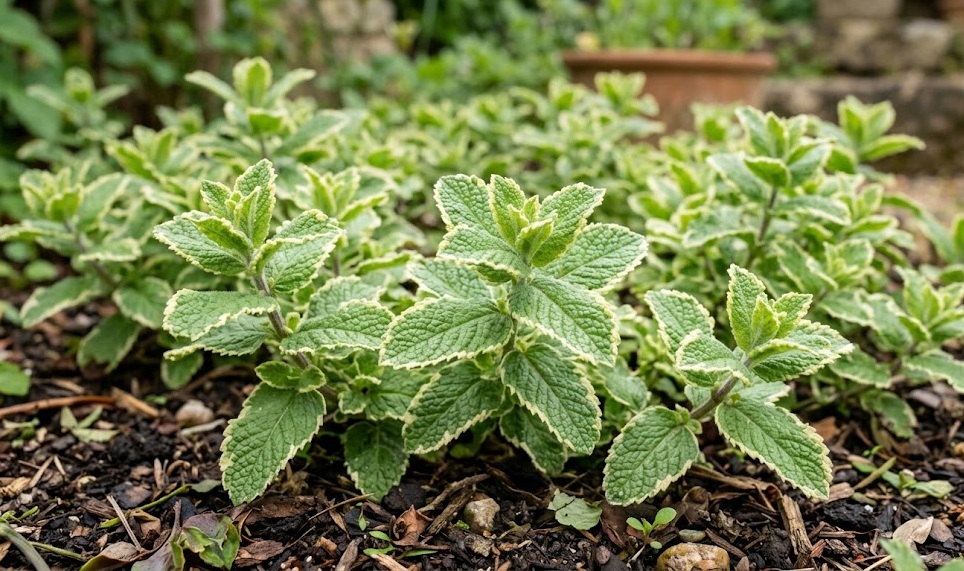

Ensuring the survival of pineapple mint through the cold winter months is a professional necessity for gardeners who wish to enjoy this perennial herb year after year without the need for constant replanting. While this variety is generally hardy, the variegated nature of its foliage makes it slightly more sensitive to extreme temperature fluctuations and wet winter soils compared to its solid green counterparts. A successful overwintering strategy involves a combination of late-season preparation, physical protection, and an understanding of the plant’s dormant cycle. By taking a proactive approach in the autumn, you can ensure that the root system remains viable and ready to push out vibrant new growth as soon as the ground warms in the spring.
Preparation for winter begins long before the first frost, focusing on hardening the plant’s tissues and reducing the growth of soft, vulnerable stems. You should avoid any heavy nitrogen fertilization after mid-summer, as this prevents the plant from producing late-season growth that would be easily killed by freezing temperatures. Instead, the goal is to allow the plant to naturally transition its energy from leaf production to root storage, which is its primary defense against the cold. A professional gardener observes the slowing of growth and the subtle changes in leaf color as cues to begin the final maintenance tasks of the year.
The physical environment during winter can be harsh, with the main threats being deep freezes that reach the root zone and “winter wet,” which can cause the dormant rhizomes to rot. In many climates, a simple layer of protective mulch is enough to insulate the ground and maintain a more stable temperature for the roots. However, for plants grown in containers or in regions with particularly severe winters, more intensive measures such as moving pots or providing temporary covers may be required. This humanized and attentive care ensures that the plant does not just survive the winter but emerges with the vigor needed for a productive new season.
Finally, managing the plant’s transition back into growth during the early spring is just as important as the protection provided during the winter. You must be careful not to remove protective layers too early, as late-season frosts can damage the tender new shoots that are eager to emerge. A professional approach involves a gradual “uncovering” process that respects the unpredictable nature of spring weather. By following these expert-level guidelines, you can maintain your collection of variegated pineapple mint indefinitely, turning a seasonal herb into a permanent and flourishing part of your landscape.
Autumn preparation and hardening off
The first step in a professional overwintering plan is to perform a thorough cleanup of the mint patch as the growing season comes to an end. You should remove any diseased or dead foliage and clear away any fallen leaves or garden debris that has accumulated around the base of the plant. This simple act reduces the number of pests and fungal spores that can overwinter in the soil, giving your mint a clean slate for the following year. It also allows you to inspect the crown of the plant for any signs of damage or issues that need to be addressed before the ground freezes.
More articles on this topic
Cutting back the stems of the pineapple mint is a common practice in the late autumn, usually after the first light frost has caused the foliage to wilt. You should trim the stems down to about five to ten centimeters above the soil line, which makes it much easier to apply mulch and reduces the surface area susceptible to desiccation from cold winds. This “tucking in” of the plant focuses its remaining energy on the underground rhizomes, which are the most resilient part of the herb. Be sure to use clean, sharp shears to make clean cuts that will heal quickly and not invite pathogens during the dormant period.
Hydration management remains important even as the plant prepares for dormancy, though the frequency of watering will significantly decrease. You should ensure the soil is moderately moist before the first hard freeze, as hydrated roots are much better at withstanding the cold than dry ones. However, avoid overwatering at this stage, as saturated soil in cold temperatures is the leading cause of root rot during the winter months. A professional touch involves finding the balance where the plant has enough internal moisture to survive but the soil is not so wet that it becomes a hostile environment.
Lastly, consider the nutritional status of the soil as the plant enters its rest period. While you should avoid growth-stimulating fertilizers, a light top-dressing of well-rotted compost can provide a slow-release source of minerals for the early spring. This organic layer also adds a bit of extra insulation to the soil surface, further protecting the delicate roots of the variegated mint. By taking these thoughtful steps in the autumn, you are setting the stage for a successful overwintering and a vigorous return to growth in the coming year.
Protective mulching and insulation
For pineapple mint planted in the ground, a thick layer of organic mulch is the most effective way to ensure the root system survives a cold winter. You should apply five to ten centimeters of straw, shredded leaves, or evergreen boughs over the entire area where the mint is growing. This layer acts as a thermal blanket, preventing the “freeze-thaw” cycles that can push roots out of the soil and expose them to the killing air. In professional gardening, this is known as “winter protection,” and it is essential for maintaining variegated cultivars that may be less hardy than wild types.
More articles on this topic
The timing of mulch application is critical; if you apply it too early, you might trap too much moisture and heat, encouraging rot or late-season growth. The ideal time is after the ground has started to freeze but before the deepest temperatures of winter arrive. This ensures the plant is fully dormant and that the mulch is serving its intended purpose of maintaining a consistent, cold temperature rather than trapping warmth. When the mulch is applied correctly, it creates a stable microclimate that protects the rhizomes from the most extreme environmental stressors.
In areas with high snowfall, the snow itself acts as an excellent natural insulator for your mint patch. You should avoid piling heavy, shoveled snow on top of the plants, but allowing a natural blanket to accumulate is very beneficial for the health of the roots. Snow keeps the soil temperature right around freezing, even when the air temperature drops much lower, providing a surprisingly effective shield. If you live in a dry, cold climate without much snow, the importance of artificial mulching becomes even greater to prevent the soil from drying out and freezing too deeply.
For particularly sensitive plants or in very exposed locations, you might consider using a professional-grade frost blanket or a specialized garden cloche. These covers provide an extra layer of protection against biting winds, which can be just as damaging as the cold itself by stripping moisture from the stems. Ensure that any covers you use are breathable to prevent the buildup of moisture and heat on sunny winter days. By combining these different layers of insulation, you create a fail-safe system that guarantees the survival of your prized pineapple mint.
Overwintering mint in containers
Pineapple mint grown in pots and containers requires a different approach because the roots are much more exposed to the cold than those in the ground. In a container, the soil temperature can fluctuate wildly, and the entire root ball can freeze solid, which is often fatal for variegated herbs. The most professional solution is to move the containers to a more protected location, such as an unheated garage, a cold frame, or a sheltered spot against the wall of a house. This provides a buffer against the worst of the wind and the most extreme temperature drops while still allowing the plant to remain dormant.
If you cannot move your containers, you should wrap the pots in several layers of bubble wrap, burlap, or specialized pot insulation sleeves. This mimics the insulating effect of the ground and helps keep the soil temperature more stable throughout the winter. You can also group several pots together and surround them with straw or bags of leaves to create a larger, more thermally stable mass. These physical interventions are crucial for maintaining the health of the plant’s root system in a confined and exposed environment.
Watering container-grown mint during the winter is a delicate task that requires professional judgment and observation. Because the plants are dormant and the weather is cold, they will need very little water, but they must not be allowed to dry out completely. Check the soil moisture every few weeks on a day when the temperature is above freezing; if the top few centimeters are bone dry, provide a very light watering. Avoid soaking the pot, as stagnant water in a cold container will almost certainly lead to the death of the plant via root rot.
For those who want to continue harvesting fresh mint throughout the winter, bringing a small pot indoors to a sunny windowsill is an excellent option. While the plant may lose some of its variegation due to lower light levels indoors, it will continue to provide fragrant leaves for your kitchen. Ensure the indoor environment is not too dry by misting the foliage occasionally or placing the pot on a tray of pebbles and water. This “dual approach” of overwintering some plants outdoors and keeping some indoors ensures you have the best of both worlds.
Spring awakening and recovery
The transition from winter dormancy to spring growth is a gradual process that requires careful management to avoid damaging the recovering plant. As the days lengthen and the soil begins to warm, you will see the first tiny green shoots of the pineapple mint pushing through the mulch. This is the signal to start gradually removing the protective layers, but do not take them all off at once if there is still a risk of hard frost. A professional technique is to thin the mulch over a period of a week or two, allowing the new growth to acclimate to the light and air.
Once the danger of frost has passed and the mulch is completely removed, you should perform a second cleanup to remove any bits of the plant that did not survive the winter. Use your shears to cut away any dead or woody stems right down to the ground, making room for the fresh, vibrant growth that is emerging. This is also the perfect time to apply a fresh layer of compost or a balanced organic fertilizer to provide the nutrients needed for the spring growth spurt. Watering should also return to a more regular schedule as the plant’s metabolic rate increases.
If you notice that some parts of your mint patch have not returned, do not worry; the plant is very resilient and will often fill in bare spots quickly once it gets going. You can also use the early spring to divide any large clumps and move them to new areas of the garden, as the cool, moist weather is ideal for transplanting. This rejuvenation of the patch ensures that the pineapple mint remains vigorous and continues to produce the high-quality, variegated foliage you desire. By managing this “awakening” phase with professional care, you capitalize on the hard work you put in during the winter.
Finally, take a moment to reflect on your overwintering success and note which methods worked best for your specific microclimate. Did the container-grown plants survive better in the garage or against the house? Was the straw mulch more effective than the shredded leaves? Documenting these details transforms your gardening experience into professional expertise, making each subsequent year even more successful. With these expert overwintering strategies, your pineapple mint will remain a reliable and beautiful presence in your garden, ready to delight your senses every single spring.