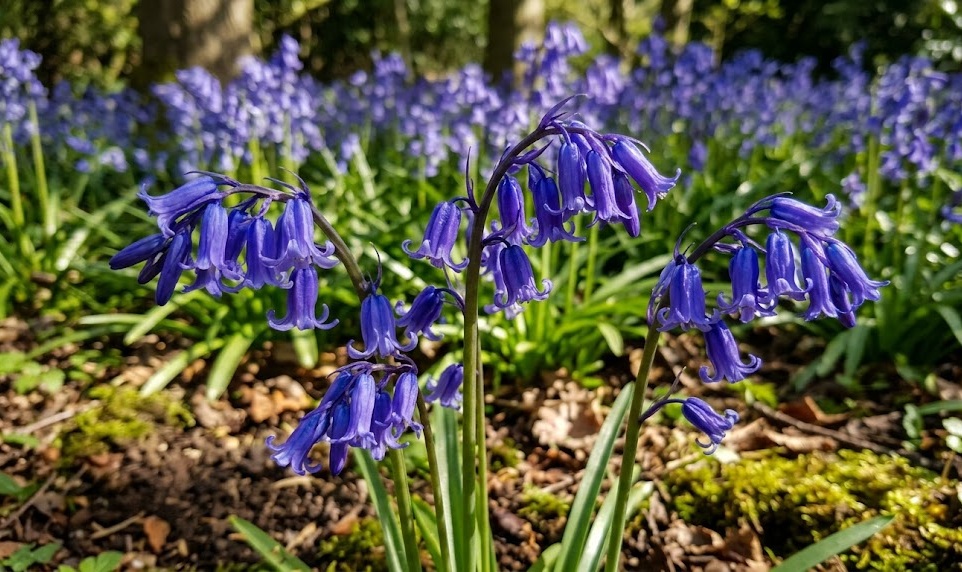

Watering and fertilizing English bluebells are tasks that require a subtle touch and an understanding of seasonal dormant cycles. Unlike many garden perennials that require constant feeding and hydration, woodland bulbs have evolved to thrive on the natural pulses of the forest ecosystem. Over-watering can be just as damaging as prolonged drought, and excessive fertilization often leads to lush foliage at the expense of delicate flowers. This guide provides professional insights into managing the moisture and nutrient needs of these plants to ensure long-term vitality.
Establishing a watering schedule
During the active growth phase in late winter and early spring, maintaining consistent soil moisture is paramount. As the shoots emerge from the cold ground, they require a steady supply of water to build the cellular structure of the leaves and flower stalks. If the spring is unusually dry, you should provide supplemental irrigation to prevent the plants from wilting. The goal is to keep the soil “cool and moist,” mimicking the damp conditions of a traditional English woodland.
The method of watering is just as important as the frequency when dealing with delicate woodland flowers. It is best to water at the base of the plants using a low-pressure hose or a watering can with a fine rose. This prevents physical damage to the flower heads and reduces the risk of fungal diseases on the foliage. Early morning is the ideal time for irrigation, as it allows the leaves to dry before the sun becomes too strong.
As the plants enter their flowering peak, their demand for water increases slightly to support the blossoms. However, you must be careful not to create waterlogged conditions, which can lead to the “smothering” of the bulb’s root system. A well-drained soil will naturally manage excess moisture, but in heavy soils, you must be more cautious. Monitoring the soil moisture by feeling the top few centimeters with your fingers is a simple but effective professional habit.
Once the flowering has finished and the leaves begin to yellow, you should gradually reduce the frequency of watering. This signals to the bulb that it is time to enter its summer dormancy period and store its energy. During the height of summer, English bluebells actually prefer to be relatively dry. Excess water during the dormant phase is one of the most common causes of bulb rot in garden settings.
More articles on this topic
Nutrient requirements for bulb health
English bluebells are not “heavy feeders” in the traditional sense, as they are adapted to the nutrient-rich but low-concentration environment of forest floors. Most of their nutritional needs are met through the slow decomposition of leaf litter and organic matter. However, in a garden environment where leaves are often cleared away, some intervention may be necessary. A professional approach focuses on supporting the bulb’s long-term energy reserves rather than forcing rapid growth.
The best time to apply any fertilizer is in early spring, just as the first green tips appear above the soil. This provides the nutrients necessary for the rapid growth phase that occurs before the tree canopy closes. Using a balanced, slow-release organic fertilizer is generally better than high-strength synthetic options. Look for products that include bone meal or seaweed extracts, which provide a wide range of micronutrients.
Potassium is a particularly important element for bulbous plants, as it aids in flower development and disease resistance. If your bluebells seem to have weak stems or pale flowers, a potassium-rich feed like sulfate of potash can be beneficial. This should be applied sparingly and watered into the soil to ensure it reaches the root zone. Avoid high-nitrogen fertilizers late in the season, as this can encourage soft, lush growth that is susceptible to frost and pests.
In established naturalized drifts, the best “fertilizer” is often simply a fresh layer of organic mulch. A thin topping of well-rotted leaf mold or garden compost in the autumn provides a steady stream of nutrients throughout the winter. This mimics the natural cycle of the woods and helps maintain the soil structure that bluebells love. Professional gardeners prioritize building soil health over applying quick-fix chemical fertilizers.
More articles on this topic
Managing soil pH and mineral balance
The acidity or alkalinity of the soil can significantly impact how bluebells access the nutrients you provide. These plants generally prefer a soil pH that is slightly on the acidic side, between 5.5 and 7.0. In highly alkaline soils, certain minerals like iron and manganese become “locked” and unavailable to the plant. If you notice yellowing between the veins of the leaves (chlorosis), it may be a sign of a pH-related nutrient deficiency.
Testing your soil every few years is a professional practice that takes the guesswork out of fertilization. If your soil is too alkaline, you can gently lower the pH by adding organic materials like composted pine needles or sulfur chips. Conversely, if the soil is extremely acidic, a light dusting of garden lime may be needed, though this is rarely the case for bluebells. Keeping the pH in the “sweet spot” ensures that the bulbs can maximize their uptake of available minerals.
Trace elements, while only needed in tiny amounts, play a vital role in the complex biochemistry of the plant. Boron, zinc, and magnesium are all essential for the enzymatic processes that create the bluebell’s signature fragrance and color. Using a organic, broad-spectrum liquid feed once or twice during the leaf-growing phase can ensure these elements are present. This is especially helpful if you are growing bluebells in containers where nutrient washout is more common.
The relationship between water and minerals is dynamic; water acts as the vehicle that carries nutrients into the roots. This is why fertilization should never be done on bone-dry soil, as the concentrated salts can burn the delicate root hairs. Always water the area before and after applying granular fertilizers to ensure safe and effective distribution. This professional technique protects the plant while ensuring the nutrients are delivered where they are needed most.
Summer dormancy and soil moisture
The summer months represent a period of profound rest for the English bluebell bulb, but the soil environment still matters. Even though the foliage has disappeared, the bulb is still alive and performing internal biological shifts. While the soil should be drier than in the spring, it should not become “baked” or completely desiccated. A layer of mulch helps to keep the soil temperature stable and prevents it from drying out to a depth that might stress the bulbs.
In very hot climates or during extreme heatwaves, a light occasional watering might be necessary to keep the soil from cracking. Cracks in the soil can allow pests to reach the bulbs or cause physical damage to the dormant root structures. However, this should be a very light “refreshment” rather than a deep soak. The goal is simply to maintain a stable underground environment until the autumn rains arrive.
Professional landscapers often plant “summer cover” plants over their bluebell drifts to manage moisture and light. Plants like hardy geraniums or hostas have broad leaves that shade the ground during the summer, keeping the buried bulbs cool. This symbiotic relationship helps manage the soil moisture levels naturally without the need for constant monitoring. The bluebells get the protection they need, and the summer perennials benefit from the undisturbed soil.
Understanding the “osmotic balance” of the bulb is key to successful summer management. If the soil is too wet, the bulb will absorb too much water, leading to cell rupture and fungal infection. If it is too dry for too long, the bulb may shrink and lose the energy reserves needed for the following year. Maintaining that delicate balance is what separates an amateur gardener from a professional horticulturist.
Troubleshooting watering and feeding issues
One of the most common mistakes is over-fertilizing bluebells in an attempt to get “bigger” flowers. This often results in “floppy” plants that cannot support the weight of their own blooms. If your bluebells are falling over, it may be a sign of too much nitrogen or insufficient light. In such cases, the best professional advice is to stop feeding and focus on improving the environmental conditions.
Signs of under-watering include stunted growth, brown leaf tips, and flowers that wither before they fully open. If these symptoms appear, you should increase your watering frequency immediately, but do so gradually. A sudden deluge on a stressed plant can cause more harm than good. Consistency is always better than extreme fluctuations in moisture levels.
If you see a white, salty crust on the soil surface, it is a clear indication of over-fertilization or poor water quality. This salt buildup can dehydrate the bulbs and damage the soil microbiology. To fix this, you should “leach” the soil by watering deeply with pure rainwater to wash the excess salts away. Moving forward, use only organic fertilizers and avoid synthetic products with high salt indexes.
Finally, always observe the surrounding plants as “indicator species” for the health of your bluebells. If the grass nearby is turning brown or the trees are showing signs of drought stress, your bluebells are likely suffering too. Professional gardening is about seeing the whole picture and understanding how all the elements of the garden interact. By paying attention to these subtle cues, you can ensure your bluebells remain a highlight of the spring for years to come.