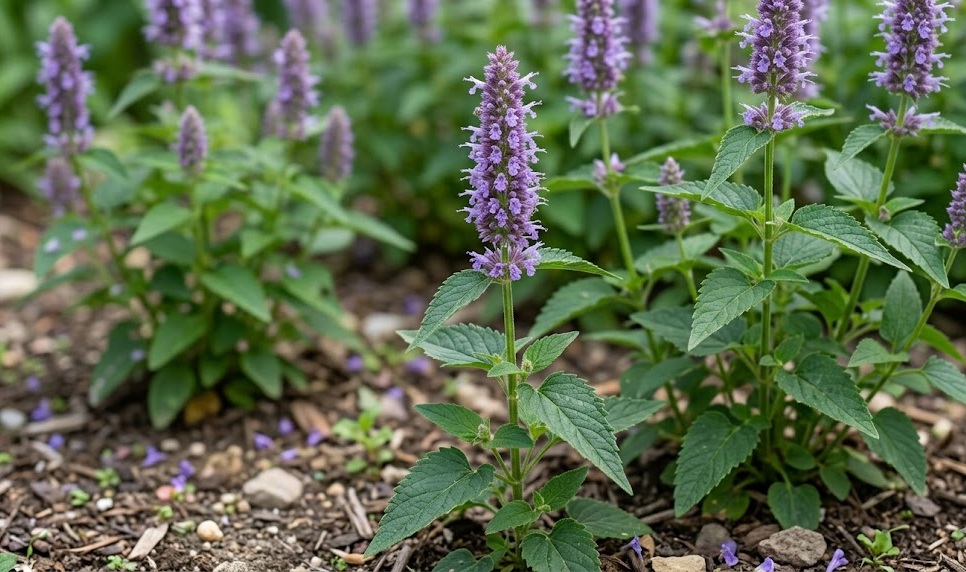

Pruning is a vital horticultural tool used to shape the growth, promote the health, and maximize the flowering potential of anise hyssop. This practice involves more than just keeping the plant tidy; it is a strategic intervention that influences the plant’s energy allocation and longevity. Professional gardeners use different pruning techniques throughout the year to respond to the plant’s changing needs and the shifting seasons. By mastering the art of the cut, you can transform a simple perennial into a structured and highly productive centerpiece of your aromatic garden.
Seasonal pruning for shape and vigor
The most intensive pruning for anise hyssop typically occurs in early spring, just as the new growth begins to emerge from the crown. This is the ideal time to remove all the dead stems from the previous year, cutting them down to within a few centimeters of the ground. Removing this old material clears the way for the new shoots to develop without being obstructed by the woody remains of the past. It also improves airflow at the base of the plant, which is crucial for preventing early-season fungal issues.
During the late spring and early summer, you can use a technique called “pinching” to encourage a bushier growth habit. By removing the growing tips of the stems when the plant is about 15 to 20 centimeters tall, you stimulate the development of side branches. This results in a fuller plant with more potential flowering sites, though it may slightly delay the onset of the first blooms. This practice is especially useful for preventing the plant from becoming too tall and leggy in areas with less than optimal sunlight.
As the first flush of flowers begins to fade in midsummer, another round of light pruning can be highly beneficial. Deadheading, or removing the spent flower spikes, prevents the plant from putting its energy into seed production. Many gardeners find that cutting the stems back by about one-third after the first bloom encourages a second, lighter flush of flowers later in the season. This keeps the garden looking fresh and provides a continued food source for the bees and butterflies that frequent the hyssop.
Throughout the growing season, you should also be on the lookout for any damaged or diseased stems that need to be removed. Cutting these out as soon as they are noticed prevents the spread of infection and helps the plant maintain its overall structural integrity. Always use sharp, clean bypass pruners to make smooth cuts that heal quickly and minimize stress on the plant tissues. This “maintenance pruning” is a small but constant part of keeping your perennial border in professional-grade condition.
More articles on this topic
Strategic cutting back for winter and wildlife
As autumn approaches and the plant begins to enter dormancy, you must decide how to handle the end-of-season cutting back. Many professional gardeners recommend leaving the sturdy stems and seed heads intact through the winter for several important reasons. First, the dried spikes provide structural interest in the winter landscape, especially when covered in a delicate layer of frost or light snow. This “winter interest” is a key component of modern landscape design that values the beauty of every season.
From an ecological perspective, leaving the stems provides essential habitat for various beneficial insects that hibernate in the hollow stalks. The seeds also serve as a vital food source for goldfinches and other small birds during the coldest months of the year. If you can tolerate a slightly less “tidy” look, your garden will become a much more valuable refuge for local biodiversity. You can always perform a thorough cleanup in the early spring before the new growth starts to show itself.
If you prefer a cleaner look or have had significant disease issues during the summer, cutting the plants back in late autumn is also a valid option. Wait until the foliage has completely died back and the stems have turned brown before making your cuts to ensure the nutrients have returned to the roots. Leave about 10 centimeters of stem above the ground to act as a marker and to trap protective snow around the crown. This helps protect the sensitive growing points from the extreme temperature fluctuations of the winter months.
Whichever strategy you choose, the key is to be consistent and observant of how your plants respond over the following seasons. You might find that some varieties respond better to autumn cutting while others thrive when left alone until the spring. Keeping a garden journal can help you track these results and refine your pruning schedule for your specific microclimate. Professional gardening is a journey of continuous learning and adaptation to the natural rhythms of the plants we care for.
More articles on this topic
Tools and techniques for professional results
The quality of your pruning tools has a direct impact on the health of your anise hyssop and the speed of its recovery. High-quality bypass pruners are the standard choice for most tasks, as they make a clean, scissor-like cut that doesn’t crush the delicate stem tissues. Avoid using anvil-style pruners, which can squeeze the stem and create entry points for pathogens and rot. Keeping your blades sharp and well-oiled is a mark of professional pride and ensures that every cut is as efficient as possible.
Sanitation is another critical aspect of professional pruning that is often overlooked by casual gardeners. Always disinfect your tools with a solution of rubbing alcohol or a mild bleach mixture before moving from one plant to another. This simple step prevents the accidental spread of viral and fungal infections that can quickly ruin a healthy perennial border. It is especially important if you have been removing diseased material from a struggling specimen in your garden.
The technique used when making a cut also matters, even for a relatively hardy plant like anise hyssop. Always aim to make your cuts at a slight angle, which allows water to run off the wound rather than pooling on the surface. When cutting back to a leaf node or a side branch, try to leave about half a centimeter of stem to avoid damaging the bud itself. These small details might seem insignificant, but they contribute to the overall health and professional appearance of your plants.
Finally, remember that pruning is as much an art as it is a science, requiring a good eye for the plant’s natural form. Your goal should be to enhance the plant’s inherent beauty rather than trying to force it into an unnatural shape. By working with the plant’s growth habit, you create a more harmonious and sustainable garden environment. Each cut you make is a conversation with the plant, and with practice, you will learn to speak its language fluently.
A strategic “Chelsea Chop” in late spring can work wonders for anise hyssop if you want a more controlled, bushier plant. By cutting the stems back by about a third in May or early June, you delay the flowering slightly but gain a much sturdier structure. This prevents the taller varieties from flopping over after a heavy rain in late summer. It also increases the number of flower spikes, as the plant branches out from the pruning points. I’ve found this technique particularly useful in smaller garden spaces where neatness is a priority.
Deadheading is another essential part of the pruning regime if you want to see continuous blooms throughout the season. Once the initial flower spikes start to fade and turn brown, cutting them back to the first set of leaves will stimulate the production of secondary lateral buds. This can extend the interest of the plant well into the autumn months. It also prevents excessive self-seeding, which can be an issue in some regions where the plant is particularly happy. I find it a very therapeutic task during my weekend garden rounds.