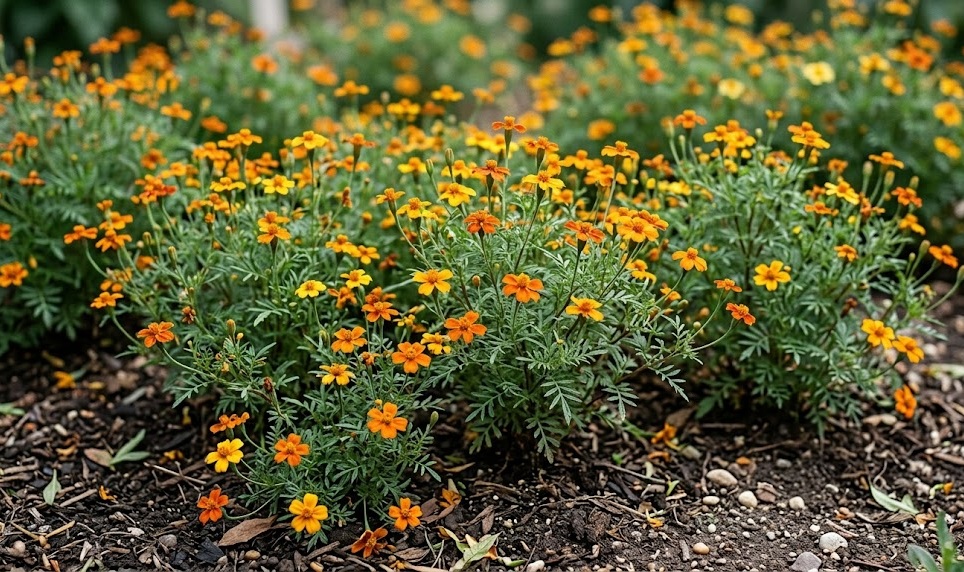

Successful cultivation of the signet marigold begins with a deep understanding of its propagation requirements and the specific conditions needed for germination. While these plants are known for their hardy nature once established, the initial stages of life are delicate and require precise environmental control. Whether you are starting seeds indoors or sowing them directly into the garden soil, the goal is to provide a stable foundation for the root system. By following professional techniques for planting and propagation, you can ensure a high germination rate and vigorous young plants that are ready to face the outdoor elements.
Starting seeds in a controlled indoor environment
Starting seeds indoors gives gardeners a significant head start on the growing season, especially in regions with shorter summers. You should begin the process approximately six to eight weeks before the last expected frost in your area to ensure the plants are robust enough for transplanting. Use clean, sterile seed trays or biodegradable pots filled with a high-quality, fine-textured seed starting mix. This specialized medium provides the perfect balance of moisture retention and aeration, which is vital for the tiny roots of the signet marigold.
Sowing the seeds requires a gentle touch, as they are relatively small and do not need to be buried deep within the soil. Lightly press the seeds onto the surface of the moist starting mix and cover them with only a very thin layer of fine vermiculite or additional soil. They require a bit of darkness to germinate effectively, but burying them too deep can prevent the emerging sprout from reaching the surface. Once sown, mist the surface lightly with water to settle the seeds without washing them away or burying them further.
Temperature control is a vital factor during the germination phase, with an ideal range being between twenty-one and twenty-four degrees Celsius. Placing the seed trays on a heat mat can provide the consistent bottom warmth that triggers the biological processes inside the seed. During this time, keep the trays covered with a plastic dome or clear wrap to maintain high humidity levels and prevent the soil from drying out. Once the first green shoots appear, usually within five to ten days, remove the cover to allow for better air circulation and prevent fungal issues.
As the seedlings develop their first true leaves, they will require intense light to prevent them from becoming leggy and weak. A sunny windowsill might not provide enough consistent light during the early spring, so supplemental grow lights are often recommended for professional results. Position the lights just a few inches above the tops of the plants and adjust them upward as the seedlings grow taller. This ensures that the young signet marigolds develop thick, sturdy stems and compact foliage that will stand up well to the wind once they are moved outdoors.
More articles on this topic
Direct sowing techniques in the open garden
For those who prefer a more natural approach or have a long growing season, direct sowing signet marigold seeds into the garden is a highly effective method. This should only be done once all danger of frost has passed and the soil temperature has reached a consistent fifteen degrees Celsius or higher. Preparing the seedbed involves clearing away all weeds and breaking up large clumps of soil to create a fine, crumbly texture. A well-prepared bed allows for better seed-to-soil contact, which is essential for uniform germination across the planting area.
When sowing directly, you can either plant in organized rows or broadcast the seeds over a larger area for a more informal, meadow-like appearance. If planting in rows, space the seeds about an inch apart and plan to thin the seedlings later to their final spacing of eight to ten inches. Lightly rake the seeds into the soil surface or cover them with a thin layer of compost to protect them from birds and drying winds. Watering the area with a fine misting nozzle is crucial to keep the soil surface moist without causing erosion or seed displacement.
Monitoring the moisture levels of the seedbed is the most important task during the first two weeks after direct sowing. The top layer of soil can dry out very quickly in the sun, which can kill a germinating seed before it has a chance to establish a deep root. Depending on your local weather, you may need to water the area lightly once or even twice a day to maintain the necessary hydration levels. Once the seedlings are a few inches tall, they become much more resilient and can handle slightly drier conditions between watering sessions.
Thinning the seedlings is a necessary step that many gardeners find difficult, but it is essential for the health of the remaining plants. When the young marigolds have two or three sets of true leaves, remove the smallest and weakest plants to give the stronger ones room to breathe and grow. Proper spacing prevents competition for nutrients and ensures that each plant can reach its full, mounded potential. Crowded plants are more susceptible to disease and often produce fewer flowers than those with adequate space and resources.
More articles on this topic
Soil preparation and site selection strategies
Choosing the right location for your signet marigolds is just as important as the planting process itself. These plants thrive in full sun, which means they need at least six to eight hours of direct sunlight every day to produce their signature carpet of blooms. Avoid low-lying areas of the garden where water tends to collect after a rainstorm, as signet marigolds are prone to root rot in soggy conditions. A site with a slight slope or naturally well-draining soil will provide the best long-term environment for these sun-loving annuals.
Improving the soil structure before planting can make a significant difference in the growth rate and flowering capacity of the plants. Incorporating organic matter such as compost or well-aged manure helps to lighten heavy clay soils and adds water-holding capacity to sandy soils. This preparation should ideally be done a week or two before planting to allow the soil to settle and the nutrients to become integrated. A handful of balanced, slow-release fertilizer mixed into the planting hole can also provide a steady supply of nutrients for the first few months of growth.
When moving indoor-started seedlings to the garden, a process called “hardening off” is essential to prevent transplant shock. This involves gradually exposing the young plants to outdoor conditions over a period of seven to ten days. Start by placing them in a sheltered, shady spot for a few hours each day, slowly increasing their exposure to direct sun and wind. This gradual transition allows the plant tissue to toughen up and adapt to the higher light intensities and temperature fluctuations found in the open garden.
The actual transplanting should ideally take place on a cloudy day or in the late afternoon to reduce the stress caused by the hot sun. Dig a hole slightly larger than the root ball of the seedling and place it in the ground at the same depth it was growing in its container. Firm the soil gently around the base of the plant to remove any large air pockets and water immediately to help settle the roots. Using a weak seaweed solution during this first watering can provide a gentle boost to the root system and help the plant recover quickly.
Vegetative propagation and seed collection
While signet marigolds are primarily grown from seed, they can also be propagated through stem cuttings if you wish to clone a particularly beautiful or vigorous plant. This is best done in early to mid-summer when the plant is in active growth but before it has become too woody. Select a healthy, non-flowering stem and cut a four-inch section just below a leaf node. Remove the lower leaves and dip the cut end into a rooting hormone powder to encourage faster root development before placing it in a moist, soilless potting mix.
Keeping the cuttings in a humid environment is key to successful rooting, as they have no root system to replace the water lost through their leaves. You can create a mini-greenhouse by placing a clear plastic bag over the pot, ensuring that the plastic does not touch the foliage. Place the pot in a bright spot but away from direct sunlight, which could overheat the cutting and cause it to wilt. Within two to three weeks, new roots should begin to form, at which point you can gradually acclimate the new plant to normal humidity levels.
Collecting seeds from your own signet marigolds is one of the most rewarding aspects of gardening and ensures a supply of plants for the following year. To do this properly, you must allow the flowers to fade and the seed heads to mature and dry completely on the plant. The seed head is ready when it turns brown and the long, thin seeds inside feel hard and dry to the touch. Simply pluck the seed head and rub it between your fingers to release the seeds, which should be stored in a cool, dark place in a paper envelope.
Understanding that signet marigolds can cross-pollinate with other marigold varieties is important if you are looking for specific traits. If you grow multiple types of marigolds close together, the seeds you collect may produce plants with slightly different colors or growth habits than the parent. For many home gardeners, this genetic diversity is a fun surprise, but professional growers often isolate their plants to maintain pure strains. Regardless of the variety, starting your own plants from seed or cuttings creates a deeper connection to the natural cycle of your garden.

Starting signet marigolds from seed is very straightforward, but the key is not to sow them too early indoors. They grow very quickly and can become leggy and stressed if they have to stay in small pots for too long before it’s warm enough to plant them out. I usually wait until about 4-6 weeks before the last expected frost. The seeds need light to germinate, so just a very fine dusting of vermiculite over them is all they need. I also use a heat mat to keep the soil temperature around 21°C, which usually results in germination within just a few days. Once they have their first set of true leaves, I move them to a cooler spot with plenty of light.
Thomas, I’ve actually had great success with direct-sowing signet marigolds into the garden once the soil has warmed up. It saves a lot of time and the plants seem to be much more resilient than the ones I’ve started indoors. I just rake the soil fine, scatter the seeds, and press them in firmly. As long as I keep the area moist, they pop up in no time. I do have to be careful to thin them out so they have enough room to grow, though. I usually space them about 8-10 inches apart to allow for that nice mounded growth habit. It’s a very easy and cost-effective way to get a big splash of color in the garden!
One thing to keep in mind if you’re saving your own seeds from signet marigolds is that they can cross-pollinate with other Tagetes tenuifolia varieties. If you want to keep the colors pure, you need to isolate the different varieties by at least 50 feet. However, if you don’t mind a bit of a “surprise mix” the following year, then cross-pollination isn’t a problem! I always dry my seed heads thoroughly before storing them in a cool, dark place in paper envelopes. It’s a very satisfying way to continue the cycle of your favorite plants year after year. Thanks for the detailed information on the germination requirements!