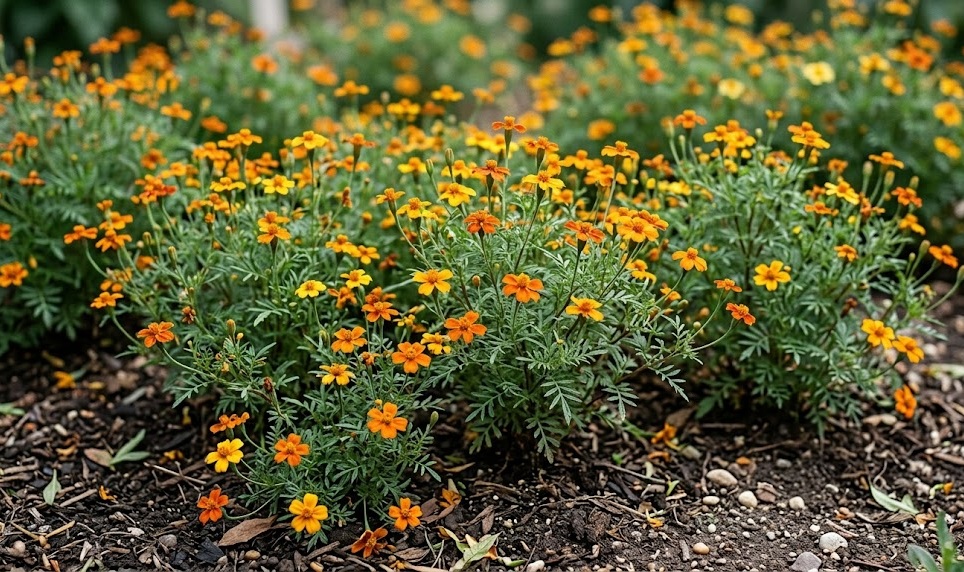

Caring for the signet marigold requires a balanced approach that respects its delicate structure while capitalizing on its inherent resilience. These plants are beloved for their fine, lace-like foliage and an abundance of small, citrus-scented flowers that cover the mound throughout the summer. To achieve the best results, gardeners must understand the specific environmental needs and maintenance routines that keep these annuals thriving. Establishing a solid foundation in the early stages of growth will ensure a long-lasting display of color and fragrance in your garden beds or containers.
Essential environmental conditions for growth
The primary requirement for a healthy signet marigold is a location that offers maximum exposure to natural light and warmth. These plants are native to warmer climates and therefore possess a high tolerance for heat, provided they are not left in completely arid conditions. When selecting a spot in your garden, look for areas that are not overshadowed by larger perennials or structures during the peak hours of the day. A minimum of six to eight hours of direct sunlight is necessary to promote the dense, compact growth habit that defines this species.
Soil quality plays a significant role in the overall vitality of the plant and its ability to resist environmental stressors. Signet marigolds prefer a well-draining soil profile that is rich in organic matter but not overly saturated with heavy clays. If your garden soil is naturally heavy, consider amending it with compost or perlite to improve aeration and drainage capabilities. Proper soil structure allows the root system to expand freely and absorb nutrients efficiently without the risk of suffocation or rot.
Temperature stability is another factor that dictates the success of your gardening efforts with these vibrant annuals. While they love the heat of summer, they are quite sensitive to late spring frosts or early autumn cold snaps. It is advisable to wait until the soil has warmed significantly before placing them in their permanent outdoor positions. Monitoring local weather patterns during the transition seasons will help you protect the delicate foliage from sudden temperature drops that could stunt growth.
Air circulation is often overlooked but remains a critical component of professional-grade plant care in any horticultural setting. Space your plants far enough apart to allow breezes to move through the foliage, which helps to keep the leaves dry and healthy. Poor air movement can lead to a buildup of humidity around the stems, creating an environment where pathogens might begin to thrive. By planning your garden layout with airflow in mind, you reduce the need for future interventions and promote natural vigor.
More articles on this topic
Understanding the growth cycle and development
The lifecycle of the signet marigold begins with a rapid vegetative phase where the focus is on establishing a strong root system and lush foliage. During this time, the plant builds the energy reserves necessary for the prolific blooming stage that follows shortly after. You will notice the stems becoming sturdier and the fine leaves filling out to create a rounded, bushy appearance. This initial growth phase is the perfect time to ensure that all nutritional and hydration needs are being met consistently.
As the plant transitions into its reproductive phase, you will see the first small buds appearing at the tips of the branches. These flowers are unique among marigolds for their simple, single-layered petals and intense fragrance that attracts various pollinators. The blooming period can last for several months if the plant is kept in an environment that supports continuous energy production. Observing the frequency and quality of the blooms can provide valuable insights into the overall health and satisfaction of the plant.
Mid-season growth often sees the signet marigold reaching its maximum size, which is typically smaller and more refined than other marigold varieties. It is common for the plant to maintain a neat, mounded shape without the need for extensive structural support or staking. However, environmental factors like extreme heat or heavy rainfall can temporarily slow down the development of new flower buds. During these periods, the plant may focus more on maintaining its existing biomass rather than expanding further into the garden space.
The final stage of the season involves the plant shifting its energy toward seed production as the days begin to shorten. You will notice that the flowers stay on the stems longer and eventually fade into seed heads that contain the genetic material for the next generation. While the plant itself is an annual and will perish with the first hard frost, this phase is natural and signals the completion of its seasonal journey. Understanding these shifts allows you to adjust your care routine to match the plant’s changing internal priorities.
More articles on this topic
Soil management and preparation techniques
Preparing the soil for signet marigolds involves more than just digging a hole; it requires creating a hospitable environment for microbial life. Incorporating well-rotted manure or high-quality garden compost into the top few inches of soil provides a slow-release source of essential minerals. This organic matter also improves the soil’s ability to hold onto moisture during the hottest parts of the summer day. A healthy soil biome supports the plant’s immune system and helps it withstand fluctuations in the local microclimate.
The acidity level of the soil, measured as pH, should ideally fall within the neutral to slightly acidic range for optimal nutrient uptake. Signet marigolds are relatively adaptable, but they perform best when the pH is between 6.0 and 7.5, where most garden nutrients are readily available. If you are unsure about your soil’s chemistry, a simple test kit can provide the data needed to make informed adjustments with lime or sulfur. Maintaining the correct chemical balance prevents nutrient lockout and ensures the plant remains deep green and productive.
Drainage is perhaps the most critical physical property of the soil when growing these specific marigold varieties in a home garden. Because they are susceptible to root issues in standing water, the soil must allow excess moisture to move away from the crown quickly. In raised beds or containers, using a high-quality potting mix designed for flowering plants usually provides the necessary porosity and drainage. For ground planting, creating slightly mounded rows can help divert heavy rainfall away from the base of the delicate stems.
Mulching around the base of the plants is a professional technique that offers multiple benefits throughout the growing season. A thin layer of straw, shredded bark, or leaf mold helps to suppress weed competition that would otherwise steal nutrients from your marigolds. Additionally, mulch acts as an insulating layer that keeps the root zone cooler during heatwaves and prevents soil splashing during irrigation. Choosing a natural mulch that breaks down over time will also contribute to the long-term fertility and structure of your garden soil.
Managing the flowering period for maximum impact
To keep your signet marigolds looking their best, it is important to encourage a continuous cycle of bloom throughout the summer months. Unlike some larger marigolds, the signet variety produces hundreds of tiny flowers that can eventually overwhelm the plant if not managed. While they are somewhat “self-cleaning,” removing spent blossoms can redirect the plant’s energy back into creating new flower buds. This practice, known as deadheading, is a simple yet effective way to extend the decorative value of your garden display.
The fragrance of the signet marigold is one of its most defining characteristics, often described as a mix of citrus and classic herbal notes. This scent is strongest when the flowers are fresh and the sun is high, drawing in beneficial insects like hoverflies and bees. Maintaining a healthy plant ensures that the essential oils responsible for this scent are produced in high concentrations. Avoid using heavy chemical sprays on the flowers, as this can dissipate the natural fragrance and deter the very pollinators the plant needs.
During the peak of the season, the sheer volume of flowers may cause the plant to appear slightly weighed down, especially after a rainstorm. The signet marigold’s fine stems are surprisingly strong, but they benefit from a surrounding environment that offers some protection from high winds. If the plant becomes too dense with flowers, a very light thinning can improve light penetration to the inner leaves. This ensures that the entire mound remains green and healthy, rather than just the outer shell of the plant.
Observation is a key skill for any gardener looking to maximize the flowering potential of their signet marigolds. Look for signs of “bloom fatigue,” where the flowers become smaller or less frequent as the season progresses into late August. This is often a signal that the plant requires a small boost in nutrients or a more consistent watering schedule to finish the season strong. By responding to these subtle visual cues, you can maintain a high-quality floral display until the weather begins to turn cold.
Practical tips for routine garden maintenance
Consistency is the hallmark of professional gardening, and signet marigolds respond exceptionally well to a regular maintenance schedule. Dedicating a few minutes each week to inspecting your plants for signs of stress or unwanted guests can prevent minor issues from becoming major problems. This routine should include checking the moisture level of the soil, removing any yellowing leaves, and ensuring the surrounding area remains weed-free. A tidy garden environment reduces the stress on the plants and allows them to focus all their energy on growth.
The tools you use for maintaining your marigolds should be kept sharp and clean to prevent the spread of diseases between different areas of the garden. Even simple tasks like pinching off stems or harvesting seeds are best done with precision to minimize damage to the plant tissue. Clean cuts heal faster and are less likely to attract pests or provide entry points for fungal spores. Investing in a small pair of floral snips can make the care of these delicate plants much more enjoyable and effective.
Monitoring the growth of surrounding plants is also an important part of caring for signet marigolds in a mixed border. Because they have a compact and mounded habit, they can easily be crowded out by more aggressive or taller garden neighbors. Ensure that nearby plants are not leaning over or shading your marigolds, as this will lead to leggy growth and reduced flowering. Keeping a clear perimeter around each mound allows the signet marigold to maintain its beautiful, symmetrical shape throughout the year.
Record keeping is a valuable habit for any serious gardener, as it allows you to learn from each growing season and improve your techniques. Note down the dates when you first planted, when the first blooms appeared, and any specific challenges you faced during the summer. This information becomes an localized guide for your specific garden conditions, helping you plan better for the following year. Over time, you will develop a deep understanding of how signet marigolds react to your unique soil, light, and weather patterns.
Integrating signet marigolds into the landscape
From a design perspective, signet marigolds offer a unique texture that works well in a variety of landscape styles, from cottage gardens to modern borders. Their fine foliage contrasts beautifully with broader-leaved plants like hostas or zinnias, creating visual interest even when they are not in full bloom. Because they stay relatively low to the ground, they are perfect for edging pathways or filling in the front of a flower bed. Their vibrant oranges and yellows can be used to create warm color echoes throughout the garden space.
These plants are also excellent candidates for container gardening, where their mounded shape can spill slightly over the edges of pots or window boxes. In a container, you have total control over the soil environment and drainage, which can lead to even more impressive displays than ground planting. Mixing signet marigolds with trailing plants like lobelia or bacopa creates a multi-dimensional look that remains attractive all season long. Remember that container plants dry out faster, so keep a closer eye on their hydration levels during hot spells.
Incorporate signet marigolds into your vegetable patch as a functional and beautiful companion plant for your food crops. Many gardeners believe that the scent of these marigolds helps to mask the smell of vegetables from certain pests, though their main benefit is often the attraction of pollinators. They look particularly striking planted alongside dark green kale or bright red peppers, adding a splash of ornamental beauty to a productive space. Their compact size means they won’t compete excessively for space or light with your main vegetable harvest.
Thinking about the sensory experience of your garden can lead to more intentional placement of these fragrant annuals. Planting them near seating areas, patios, or along frequently used walkways allows you to enjoy their citrusy aroma as you pass by. The fine texture of the leaves also invites a tactile experience, as the foliage is soft and pleasant to the touch. By considering how humans interact with the garden, you can use signet marigolds to create a more immersive and enjoyable outdoor environment.
Long term health and seasonal transitions
As the summer draws to a close, the focus of care shifts from promoting growth to preparing for the natural end of the plant’s life. You may notice the foliage losing some of its vibrant green color and the stems becoming more woody as the plant matures. This is a normal part of the annual cycle and does not necessarily indicate a lack of care or a problem with the soil. Reducing fertilizer applications during this time allows the plant to transition naturally into its seed-producing phase without being forced into late-season vegetative growth.
If you wish to save seeds for next year, allow several of the most vigorous flowers to dry completely on the plant until they turn brown and brittle. These seed heads can then be harvested, cleaned, and stored in a cool, dry place until the following spring. Saving your own seeds is a rewarding way to continue a specific lineage of plants that have performed well in your particular garden environment. It also provides a cost-effective way to fill large areas of the garden with these delightful flowers year after year.
Once the first killing frost arrives, the signet marigolds will quickly turn black and lose their structural integrity. It is best to remove the spent plants from the garden beds at this time to prevent any pests or diseases from overwintering in the debris. Composting the healthy plant material returns nutrients to the soil system, though you should avoid composting any plants that showed signs of significant disease. Clearing the beds in the autumn makes spring preparation much easier and keeps the garden looking tidy during the winter months.
Reflecting on the successes and challenges of the season is the final step in a professional care routine for signet marigolds. Perhaps you discovered a specific area of the garden where they thrived more than others, or you found a watering schedule that worked perfectly for your soil. Use these insights to refine your approach for next year, perhaps experimenting with different color varieties or planting densities. The journey of a gardener is one of constant learning, and the signet marigold is a wonderful teacher of patience and attention to detail.


Tagetes tenuifolia is such a delightful addition to any herb or flower garden, and its citrus scent is truly unique among marigolds. I’ve found that they are much more sensitive to “wet feet” than the more common African or French marigolds. They really do need a very free-draining soil to prevent root rot, especially in the early stages of growth. I also recommend avoiding high-nitrogen fertilizers, as this will lead to a lot of foliage but very few of those lovely small flowers. A balanced organic feed once a month is usually more than enough. Have you noticed any difference in pest resistance between the yellow and orange varieties? I’ve heard that the yellow ones might be slightly more attractive to aphids, but I haven’t seen any data on it.
Dr. Foster, that’s an interesting observation about the aphids! In my own garden, I haven’t noticed a huge difference between the colors, but I do find that the ‘Lemon Gem’ variety seems to be a bit more vigorous overall than ‘Paprika’. I agree with you about the drainage; I always mix a bit of sand or fine grit into the planting hole for my signet marigolds. They also seem to benefit from a light shearing in mid-summer if they start to look a bit “floppy.” This encourages a whole new flush of flowers and keeps the mound nice and tight. They really are such a cheerful and low-maintenance plant once you get them established.
I love using signet marigolds as an edible garnish for salads; the flavor is so bright and citrusy! I’ve found that they do best when they are given plenty of space to allow for good air circulation. If they are crowded too closely together, they can be prone to botrytis or other fungal issues in humid weather. I also make sure to deadhead them regularly, though with so many small flowers, it can be a bit of a chore! It’s definitely worth the effort, though, as it keeps the plants blooming right up until the first frost. They are also a magnet for beneficial insects like hoverflies and lacewings, which is a huge plus for any organic gardener.