
Understanding the light preferences of Algerian ivy is fundamental to achieving that deep green, lush look that makes the plant so popular. In its native Mediterranean habitat, this vine often grows in the dappled light beneath the forest canopy or on shaded rocky outcrops. While it is quite adaptable, the intensity and duration of light it receives will directly impact its growth rate, leaf size, and overall health. Finding the “sweet spot” for lighting is the first step in successful long-term cultivation.
Finding the ideal light balance
Algerian ivy generally performs best in bright, indirect light where it can receive plenty of energy without being burned by the sun. In an outdoor setting, this often means a location with northern or eastern exposure that avoids the harsh afternoon rays. If the light is too intense, you may notice the leaves turning a pale, yellowish color or developing brown scorch marks. On the other hand, if the light is too dim, the plant will grow slowly and lose its characteristic density.
For indoor plants, placement near a window with a sheer curtain is often the perfect solution for light management. This setup mimics the filtered light of a forest and provides the plant with the consistent energy it needs for photosynthesis. You should rotate the pot every few weeks to ensure that all sides of the plant receive an equal amount of light. This simple practice prevents the ivy from becoming lopsided as it reaches toward the light source.
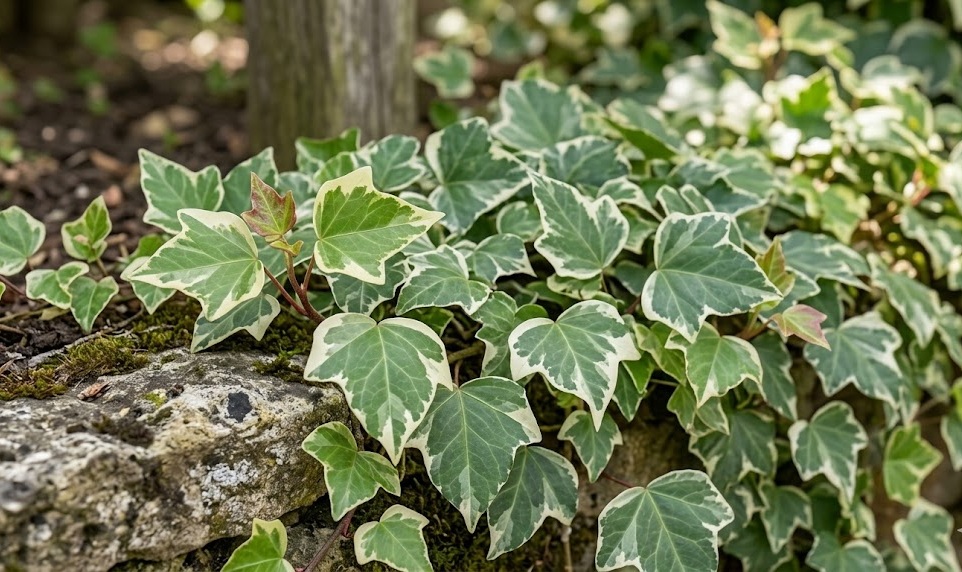
Variegated varieties of Algerian ivy have slightly different light requirements than the solid green versions. The white or cream-colored parts of the leaves lack chlorophyll, meaning the plant has less surface area for producing food. To maintain these beautiful patterns, variegated ivy often needs a bit more light than its solid green counterparts. If kept in a spot that is too dark, the new leaves may revert to solid green to compensate for the lack of energy.
The quality of light is just as important as the quantity when it comes to the health of your ivy. Natural sunlight provides the full spectrum of colors that the plant needs for different stages of its development. If you are using artificial lights, ensure they are designed for plants and provide a balance of both red and blue wavelengths. Monitoring the plant’s reaction to its lighting environment will help you make the necessary adjustments before any permanent damage occurs.
More articles on this topic
Managing direct sun exposure
While Algerian ivy is robust, it can be sensitive to the intense ultraviolet rays of the direct midday sun. In very hot climates, full sun exposure can lead to rapid moisture loss and permanent damage to the leaf tissue. If your ivy must be in a sunny spot, try to ensure it only receives the gentler light of the early morning or late afternoon. Providing some form of overhead shade during the peak hours of the day can make a significant difference.
Acclimation is the key to successfully moving a plant from a shaded area to a sunnier one. You must introduce the plant to the increased light gradually over a period of ten to fourteen days. Start with just an hour of morning sun and slowly increase the duration as the plant builds up its tolerance. This process allows the leaves to develop a thicker cuticle, which provides better protection against the sun’s rays.
The presence of water on the leaves during periods of direct sunlight can sometimes cause a “magnifying glass” effect. This leads to small, localized burn spots where the water droplets were resting on the foliage. To avoid this, always water at the base of the plant or during the early morning hours so the leaves can dry before the sun gets high. Keeping the foliage dry is a simple but effective way to prevent unnecessary cosmetic damage.
In some regions, the winter sun can be just as damaging as the summer sun, especially when combined with freezing winds. This phenomenon, known as winter burn, occurs when the sun warms the leaves and stimulates activity while the roots are still frozen and cannot provide water. Providing some winter shade with burlap or by planting near evergreens can protect the ivy from this specific type of stress. Consistency in light management throughout the year is the hallmark of an expert gardener.
More articles on this topic
Growing in deep shade
One of the great advantages of Algerian ivy is its ability to survive and even thrive in areas where other plants might struggle with low light. It is an excellent choice for north-facing walls, heavily wooded areas, or dark corners of the home where little natural light reaches. In these environments, the leaves often become a deeper, darker green as the plant produces more chlorophyll to capture every available photon. This deep green color can create a very elegant and sophisticated look in the garden.
However, growing in deep shade does come with some trade-offs that you should be prepared for as a grower. The growth rate will be significantly slower compared to plants in brighter locations, and the leaves may not grow as large. You will also need to be much more careful with your watering routine, as the soil will take much longer to dry out in the shade. Excess moisture in a dark environment is a primary recipe for fungal diseases and root problems.
If your shaded ivy seems to be struggling, you can try to “brighten” the area using reflective surfaces. Using light-colored mulch or painting a nearby wall white can help bounce more ambient light onto the plant’s foliage. Even a small increase in reflected light can sometimes be enough to stimulate better growth and healthier leaves. Periodically thinning out any overhanging branches from trees can also allow a bit more light to reach the ivy below.
Regularly cleaning the leaves is even more important for plants kept in low-light conditions. Dust and grime act as a barrier, preventing what little light is available from reaching the chlorophyll within the leaf. A quick wipe with a damp cloth every few weeks will keep the plant’s “solar panels” working at maximum efficiency. By paying attention to these small details, you can successfully maintain a beautiful ivy even in the darkest parts of your home or garden.