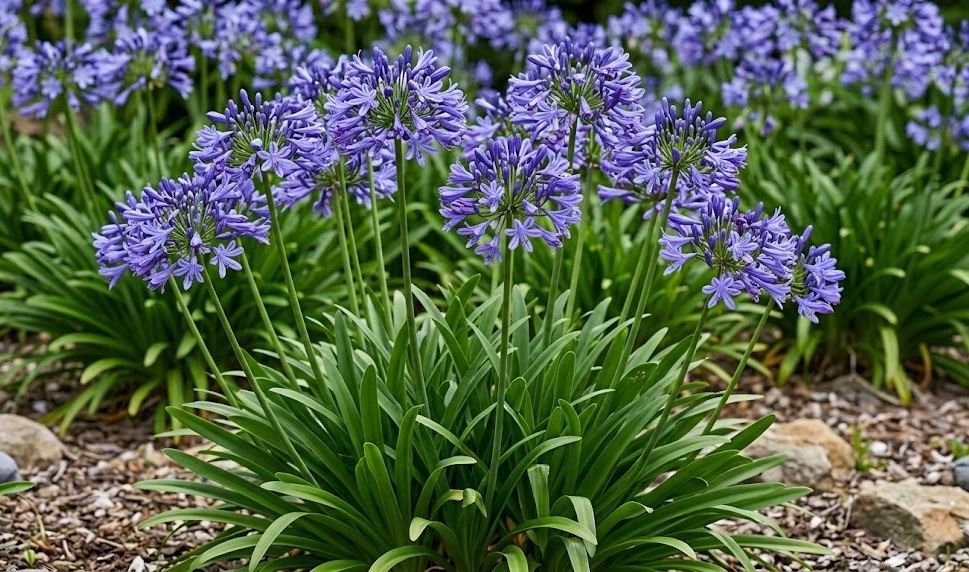

Maintaining a vigilant eye for the first signs of trouble is the hallmark of a truly expert gardener who wishes to keep their collection in peak condition. While the African lily is generally regarded as a robust and low-maintenance plant, it is not entirely immune to the challenges posed by nature. From microscopic fungal spores to the more obvious presence of hungry garden gastropods, there are several threats that can diminish the beauty of your floral display. Understanding these potential issues allows you to intervene early and protect the health of your plants with confidence.
Fungal infections are perhaps the most common ailment that gardeners encounter, especially during periods of high humidity and frequent rainfall. You may notice small, discolored spots appearing on the leaves, which can eventually merge and cause the entire leaf to wither. These pathogens thrive in stagnant air and on wet foliage, making prevention the most effective strategy in your professional toolkit. Ensuring that your plants have adequate spacing and are not watered late in the evening can significantly reduce the risk of an outbreak.
If you do spot signs of fungus, it is important to act quickly by removing and destroying any affected plant material. Do not place diseased leaves in your compost heap, as the spores can survive the decomposition process and return to your garden later. A copper-based fungicide can sometimes be helpful in controlling the spread if the infection is widespread, but cultural practices are always the first line of defense. Keeping the area around the base of the plant clean and free of debris will also help eliminate hiding spots for spores.
Bacterial issues can also arise, though they are less frequent than fungal problems in most temperate garden environments. These often manifest as soft, mushy spots on the stems or at the base of the plant where it meets the soil. This type of rot is usually a sign that the drainage in the area is insufficient or that the plant has been physically damaged, allowing bacteria to enter. Addressing the underlying soil issues is the only permanent way to solve bacterial problems and prevent them from recurring in the future.
Managing root rot and soil pathogens
The root system of the African lily is its most vital organ, storing the energy and water needed for those spectacular midsummer blooms. However, these same fleshy roots are highly susceptible to rot if they are forced to sit in waterlogged soil for extended periods. Root rot is often invisible until it is quite advanced, with the primary above-ground symptoms being a general lack of vigor and yellowing leaves. If you suspect your plant is suffering from this, it may be necessary to lift it and inspect the roots directly.
More articles on this topic
Healthy roots should be firm and white or light tan in color, while diseased roots will appear brown, soft, and may have a distinctive unpleasant odor. If the damage is not too severe, you can often save the plant by trimming away the rotten sections and replanting it in fresh, well-draining soil. This is a delicate operation that requires clean tools and a gentle touch to avoid further stressing the plant. After replanting, be extremely careful with your watering routine until the plant shows clear signs of recovery.
Soil-borne pathogens can persist in the earth for many years, making it difficult to grow sensitive plants in the same spot twice. If you lose a lily to a serious soil disease, it is wise to avoid planting another one in that exact location without first improving the soil conditions. Incorporating organic matter and ensuring proper aeration can help promote a healthy community of beneficial microbes that compete with harmful pathogens. Professional landscaping often involves this kind of long-term soil management to ensure the success of the garden.
Preventing root issues starts with the very first step of planting your lilies in the correct environment. Choosing a sunny spot with a slight slope or creating raised beds can provide the natural drainage that these plants crave. If you are growing in containers, always ensure that the drainage holes are not blocked by debris or roots. A professional approach to gardening always prioritizes the “unseen” parts of the plant, as the roots are the foundation of everything else you see.
Identifying and controlling sap-sucking insects
While not as common as they are on roses or other perennials, certain insects can occasionally target your African lilies. Aphids are small, soft-bodied insects that often cluster on the new growth or tucked deep inside the developing flower buds. They feed by sucking the sap from the plant, which can cause the leaves to become distorted and stunted. In large numbers, they can also weaken the plant and reduce its ability to produce large, healthy flower heads.
More articles on this topic
A simple and effective way to deal with a minor aphid infestation is to wash them off with a strong stream of water from your garden hose. This physical intervention is often enough to keep their numbers in check without the need for any chemical sprays. If the problem persists, an insecticidal soap or a diluted neem oil solution can be applied to the affected areas. Always test any spray on a small part of the plant first to ensure it doesn’t cause any adverse reactions to the foliage.
Scale insects are another potential pest that can be more difficult to spot due to their stationary nature and hard, protective shells. They often look like small, brownish bumps on the stems or the undersides of the leaves, and they also feed on the plant’s vital fluids. If left unchecked, scale can cause a gradual decline in the plant’s health and lead to the growth of sooty mold on the sticky residue they leave behind. Removing them by hand or using a horticultural oil during the dormant season are common professional control methods.
Encouraging natural predators like ladybugs and lacewings into your garden is one of the most sustainable ways to manage insect pests. By creating a diverse ecosystem with a variety of flowering plants, you can attract these beneficial insects that will do much of the work for you. Avoiding the use of broad-spectrum pesticides is a key part of this strategy, as these chemicals often kill the “good bugs” along with the “bad” ones. Professional gardening is increasingly moving toward these integrated pest management techniques.
Protecting the plant from snails and slugs
For many gardeners, the most frustrating pests are the snails and slugs that can make quick work of the lily’s succulent leaves. These nocturnal visitors are especially active during damp weather and can leave unsightly holes and silver trails all over your prize specimens. While a healthy plant can usually survive a bit of nibbling, a heavy infestation can severely damage the aesthetic appeal of the foliage. Identifying their presence early is the first step in protecting your garden border.
There are many traditional methods for controlling slugs and snails, ranging from physical barriers to traps. Creating a dry zone around the base of your plants using grit, crushed eggshells, or copper tape can discourage them from climbing up to the leaves. Beer traps are another popular DIY solution that can be quite effective in reducing local populations without harming other wildlife. The key to success with these methods is consistency and regular monitoring, especially after a period of rain.
If you choose to use commercial slug pellets, it is professional practice to look for products that are based on iron phosphate. These are generally considered safer for birds, hedgehogs, and domestic pets than older products containing metaldehyde. Always follow the package instructions and apply the pellets sparingly around the base of the plants rather than in large piles. Managing the surrounding environment by removing long grass and piles of damp leaves will also reduce the number of hiding places for these pests.
Checking your plants by flashlight during a warm, wet evening can be an eye-opening experience for any gardener. This is the best time to manually remove any snails or slugs you find and move them away from your decorative borders. Over time, these consistent efforts will significantly decrease the damage you see on your African lilies. A professional garden is never entirely pest-free, but it is one where the impact of pests is kept to an acceptable and manageable level.
Holistic approaches to plant health protection
Ultimately, the best defense against any disease or pest is a healthy, vigorous plant that is growing in its ideal conditions. A lily that is receiving the right amount of sun, water, and nutrients is much more capable of naturally resisting infections and recovering from minor insect damage. When a plant is under stress, its natural defense mechanisms are weakened, making it a much more attractive target for pathogens. Therefore, professional care always begins with optimizing the growing environment for the specific needs of the species.
Crop rotation and diversity are concepts that can be applied even in a decorative garden to break the life cycles of various pests. By not planting the same types of flowers in the same spot for decades, you can prevent the buildup of specific soil-borne issues. Mixing your African lilies with other perennials that have different growth habits can also help confuse and slow down the spread of insect pests. This ecological approach creates a more resilient and self-sustaining garden landscape that requires less human intervention over time.
Regularly inspecting your plants as part of your weekly garden routine is a simple habit that pays huge dividends. Catching a small colony of aphids or a few spots of fungus early makes the treatment much simpler and more successful. This practice of “scouting” is a standard part of professional agricultural and horticultural management that every home gardener should adopt. Taking a few minutes to look closely at the undersides of the leaves and the centers of the clumps can save you hours of work later.
Finally, remember that a certain amount of natural interaction with insects and fungi is a sign of a healthy, living garden. Not every leaf needs to be perfect, and a few small holes here and there are often a small price to pay for a chemical-free environment. By choosing a balanced and professional approach to pest and disease management, you can enjoy a beautiful garden that also supports local biodiversity. The goal is to work with nature to create a sustainable and stunning floral display for years to come.
While the African lily is generally robust, I have seen an increasing number of cases involving Agapanthus gall midge in recent years. This pest can be devastating because it attacks the developing flower buds, causing them to deform or fail entirely. It is crucial to inspect the buds as soon as they emerge from the foliage for any signs of swelling or discoloration. If you suspect an infestation, the only real solution is to remove and burn the affected heads immediately. Have you found any specific predatory insects that are effective in managing midge populations in a garden setting? I am trying to move away from systemic insecticides in my nursery.
Robert, the gall midge is indeed becoming a significant headache for collectors across the country. In my trials, I haven’t found a “silver bullet” predatory insect, but encouraging generalist predators like lacewings and ladybirds seems to help marginally. The most effective non-chemical strategy I’ve used is horticultural fleece covers during the egg-laying period, though it’s not very aesthetic. I’ve also noticed that certain cultivars seem slightly more resistant, perhaps due to the timing of their bud emergence. It’s a race against time once those larvae get inside the bud tissue. Vigilance really is the best tool we have at this point.
Fungal issues like Macrophoma leaf spot can often be mistaken for simple environmental stress or nutrient deficiencies. I’ve seen many gardeners increase watering when they see brown leaf tips, which actually exacerbates the fungal spread. It is vital to look for the tiny black fruiting bodies that characterize a genuine infection. Sterilizing your pruning shears between plants is a step that many hobbyists skip, but it is essential for preventing cross-contamination. I always use a 10% bleach solution or isopropyl alcohol for my professional tools. Proper spacing to allow for maximum airflow is the best preventative measure for nearly all African lily diseases.