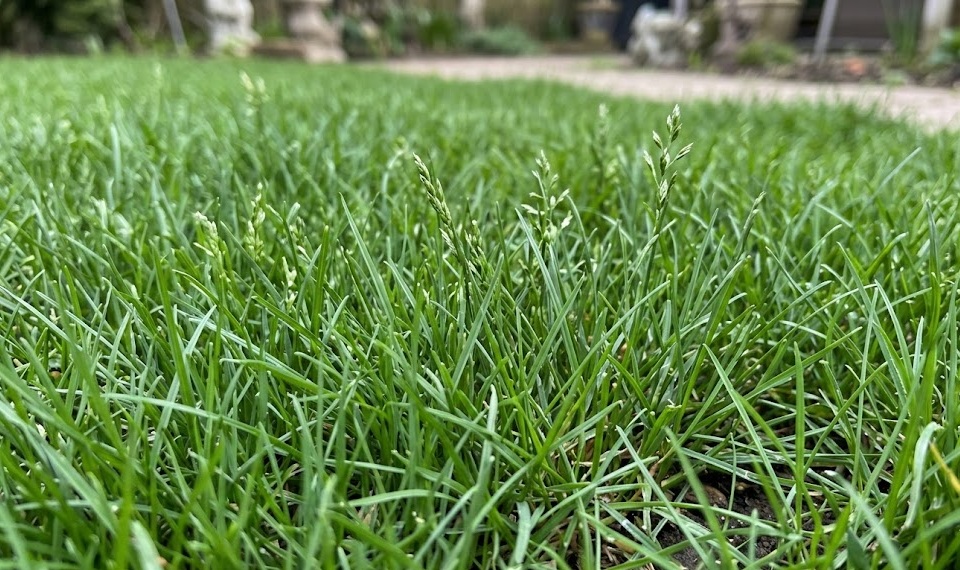

Establishing a new lawn from scratch or expanding an existing one requires meticulous planning and a clear understanding of the plant’s life cycle. You must prepare the site with great care to ensure that the young seedlings have the best possible start in their new environment. Kentucky bluegrass is known for its ability to spread through underground stems, making it an excellent choice for a long-lasting turf. When you master the art of planting, you create a durable green foundation that will enhance the beauty of your property for decades.
Site preparation and soil optimization
Before you even think about spreading seeds, you must ensure that the ground is perfectly prepared to receive them. You should start by removing all existing vegetation, stones, and debris that might interfere with the growth of new grass. Grading the area is essential to prevent water from pooling in low spots, which can lead to rot and disease. A gentle slope away from buildings ensures that excess moisture is drained effectively without causing erosion issues.
Testing the soil is a step that you should never skip if you want professional-level results for your new lawn. You need to know the nutrient profile and the structure of the earth to determine what amendments are necessary. Adding organic matter, such as well-rotted compost, can significantly improve the texture of both sandy and clay-heavy soils. This creates a porous and nutrient-rich medium where the delicate roots of the seedlings can easily expand and anchor.
Tilling the soil to a depth of about fifteen centimeters helps to break up compaction and mix in any necessary amendments. You should aim for a fine, crumbly texture that allows for excellent seed-to-soil contact once the planting begins. After tilling, you must firm the soil slightly by using a light roller or by treading over the surface carefully. This prevents the ground from settling unevenly later on, which would result in a bumpy and difficult-to-mow lawn.
Final leveling should be done with a wide rake to create a smooth and uniform surface across the entire planting area. You want to eliminate any small ridges or depressions that could cause the seeds to wash away during irrigation. Taking the time to get the site preparation right will save you a tremendous amount of work in the future. A well-prepared seedbed is the most important factor in the successful establishment of a high-quality Kentucky bluegrass turf.
More articles on this topic
Sowing strategies and seed selection
Choosing the right seed blend is a critical decision that will influence the appearance and resilience of your future lawn. You should look for certified seeds that have high germination rates and low weed content to ensure a clean start. Many professionals recommend using a mix of different Kentucky bluegrass cultivars to provide a broader range of disease resistance. This genetic diversity helps the lawn adapt to varying light levels and environmental stresses throughout the year.
The timing of your sowing is just as important as the quality of the seeds you choose for the project. You should ideally plant in the late summer or early autumn when the soil is warm and the air temperatures are cooling down. This window of time allows the grass to establish its root system before the onset of winter dormancy. Spring planting is also possible, but you will face more competition from aggressive annual weeds that germinate in the warming soil.
Using a calibrated spreader ensures that you apply the seeds at the recommended rate for optimal coverage. You should split the total amount of seed in half and spread it in two perpendicular directions to avoid gaps. This crisscross pattern guarantees a uniform distribution and prevents the formation of unsightly clumps or bare patches. Pay close attention to the edges of the planting area to ensure that the lawn will be full and lush right up to the borders.
After the seeds have been spread, you should lightly rake the surface to cover them with a very thin layer of soil. You only want to bury them a few millimeters deep, as they need a bit of light and air to trigger the germination process. Using a light roller after raking helps to press the seeds firmly into the earth for better moisture absorption. This step is vital for ensuring that the seeds do not blow away or get moved by the first watering session.
More articles on this topic
Establishing young seedlings successfully
The first few weeks after sowing are the most delicate phase in the life of your new Kentucky bluegrass lawn. You must keep the surface of the soil consistently moist to support the constant hydration needs of the germinating seeds. This often requires watering several times a day with a fine mist to avoid disturbing the soil or washing seeds away. You should monitor the moisture levels closely, as even a brief period of drying out can be fatal to the young sprouts.
Once you see the first green shoots appearing, you can begin to transition toward slightly deeper and less frequent irrigation. This encourages the young roots to push deeper into the soil in search of moisture, building a stronger foundation. You should still be careful not to allow the soil to become bone dry during the first month of growth. Watching the color of the seedlings will tell you if they are getting enough water or if they are becoming stressed.
Mowing for the first time should only occur when the grass has reached a height of about eight to ten centimeters. You must ensure that your mower blades are extremely sharp to prevent pulling the young, weakly rooted plants out of the ground. Set the cutting height relatively high for the first few sessions to allow the plants to continue producing plenty of energy. This gentle approach helps the lawn thicken up without being stunted by an aggressive early cut.
You should avoid applying any heavy fertilizers or weed control products until the new grass has been mown at least three times. The young plants are very sensitive to chemicals and can be easily burned or damaged by high concentrations of nitrogen. Focus on providing the basic needs of water and light while the ecosystem matures and stabilizes. Patience during this establishment phase is rewarded with a much healthier and more durable lawn in the long term.
Vegetative propagation and sodding methods
If you want an instant lawn, sodding is an excellent alternative to sowing seeds, though it requires more physical labor and investment. You should source high-quality sod that has been grown locally to ensure it is adapted to your specific environmental conditions. The soil preparation for sod is identical to that for seeding, requiring a smooth, level, and nutrient-rich surface. Laying the sod properly ensures that the roots can quickly integrate with the existing soil on your property.
When laying the sod, you should stagger the joints like bricks in a wall to prevent long lines where drying or erosion could occur. You must press the edges firmly together without overlapping them to create a seamless and uniform green surface. Using a heavy roller after the entire area is covered helps to eliminate air pockets and ensures good contact between the sod and the soil. This immediate connection is crucial for the survival of the grass during the first few days of relocation.
Plugging is another vegetative method that you can use to repair large patches or to gradually establish a lawn in a new area. You take small sections of established turf, complete with roots and soil, and plant them into holes spaced regularly across the ground. These plugs will eventually spread through their rhizomes to fill in the gaps and create a solid carpet of grass. This method is slower than sodding but can be more cost-effective for smaller projects or specialized repairs.
Regardless of the method you choose, post-propagation care is the key to ensuring that the grass takes root and thrives. You must treat sodded or plugged areas with the same level of attention to irrigation as you would a freshly seeded lawn. Keeping the area saturated for the first week is essential until you can no longer pull the sod up from the ground. Once the roots have anchored, you can gradually move toward a standard maintenance routine for your beautiful new Kentucky bluegrass space.