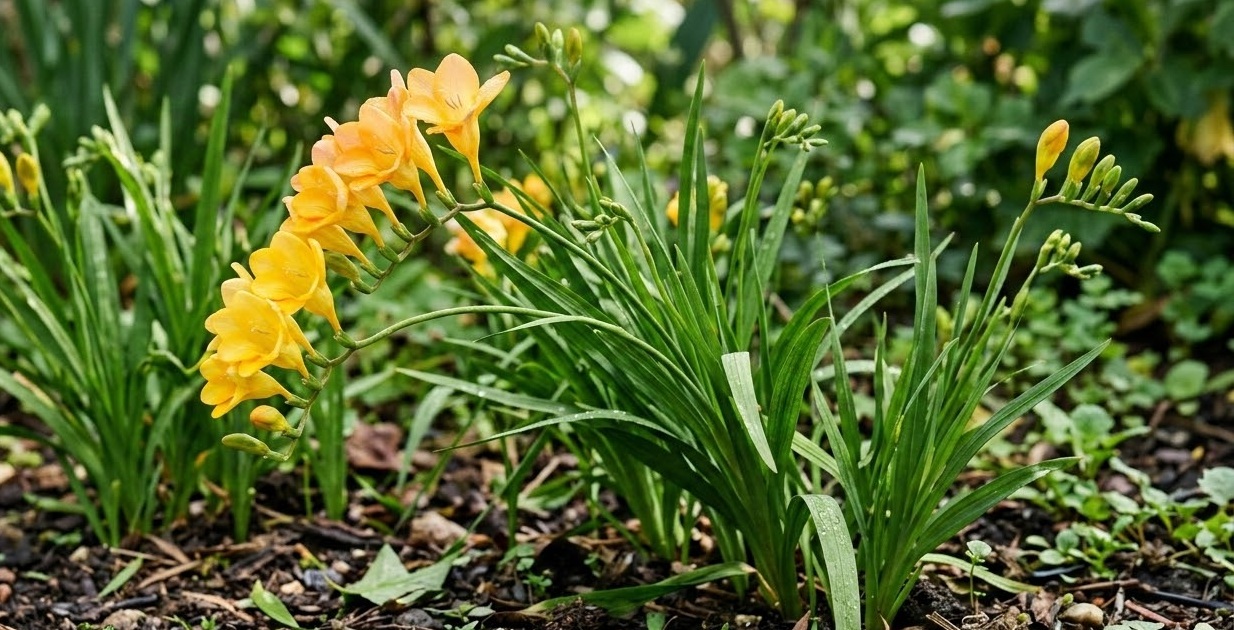

The practice of removing faded flowers, commonly known as deadheading, is a simple but highly effective way to keep your garden looking tidy and professional throughout the season. You should regularly inspect your flower spikes and remove individual blooms as soon as they begin to wither and lose their vibrant color or fragrance. This task prevents the plant from diverting its limited energy into seed production, which is a demanding process that can significantly reduce the vitality of the bulb. By cutting away the old flowers, you encourage the plant to focus its resources on maintaining the health of the remaining buds and the underground storage organs.
When you are deadheading, you should use a pair of small, sharp garden snips or even your fingernails to pinch off the flower at the point where it meets the main stem. It is important to remove the entire flower base, including the developing seed pod, to ensure the plant truly stops its reproductive efforts for that specific bloom. You must be careful not to damage the adjacent buds that are still waiting to open, as they are often very delicate and can be easily knocked off the spike. Taking your time with this detailed work will result in a much longer-lasting and more aesthetically pleasing display of fresh and fragrant flowers.
If an entire flower spike has finished blooming and no more buds are visible, you can cut the entire stalk back to the point where it emerges from the foliage at the base. You should make a clean, angled cut about one centimeter above the leaves to prevent water from collecting on the wound and potentially causing rot or disease. This not only improves the appearance of the plant but also increases air circulation around the base of the leaves, which is vital for preventing fungal infections in the garden. Keeping the area around your plants free of fallen petals and dead stems is another important part of good garden hygiene that pays off in the long run.
Monitoring your plants daily during the peak of the blooming season will make the task of deadheading feel much more manageable and rewarding for any dedicated gardener. You will find that spending just a few minutes each morning removing spent flowers can significantly extend the overall beauty and life of your floral display in the garden beds. This consistent attention also allows you to spot any potential pest or disease problems early, before they have a chance to spread and cause more serious damage to your collection. Deadheading is a quiet and meditative task that brings you closer to your plants and helps you appreciate the fleeting beauty of each individual bloom they produce.
Managing foliage after flowering
One of the most common mistakes that many home gardeners make is cutting back the green leaves too soon after the flowers have finished their spectacular show. You must remember that these leaves are the only way the plant can create and store the energy it needs to survive the winter and bloom again next spring. Even if the foliage starts to look a bit untidy or floppy in the garden bed, you should leave it alone until it has completely turned yellow and died back on its own. This period of photosynthesis is the engine that drives the entire life cycle of the bulb, and interrupting it will lead to poor results in the following years.
More articles on this topic
If the sight of the dying foliage bothers you, you can try to hide it among other more vibrant companion plants that are just coming into their peak growth during the summer months. You might consider planting taller perennials or late-blooming annuals nearby that will grow up and over the fading leaves of your bulbs as they enter their dormant phase. This clever layering technique allows you to maintain a beautiful and continuous display in your garden without harming the long-term health of your sensitive flowering collection. Never tie the leaves together in knots or use rubber bands to bundle them, as this restricts light access and can damage the delicate vascular tissues of the plant.
As the leaves continue to age and turn brown, you will notice that they eventually become quite brittle and start to pull away from the crown of the bulb with very little resistance. This is the natural signal that the plant has finished reabsorbing all the nutrients it can and is now ready to enter its essential dormant period for the rest of the year. At this stage, you can safely remove the dried material by hand or with a quick snip of your garden shears at the soil surface to tidy up the bed. Removing this dead matter helps prevent the buildup of pests and diseases that might try to overwinter in the decaying organic material around your precious bulbs.
Maintaining a light watering schedule during this post-bloom period is important to keep the leaves functioning at their best for as long as possible in the warm weather. However, you should gradually reduce the amount of water you provide as the leaves begin to show the first signs of yellowing and senescence at the ends of the season. This transition period is a delicate time, and you should avoid any heavy fertilization that might encourage the plant to stay green for longer than is natural or healthy. By respecting the plant’s internal clock and its need for a slow and natural decline, you ensure a strong and healthy return of beautiful flowers in the future.
Pruning tools and hygiene
Using the right tools for your pruning and maintenance tasks is just as important as the techniques you use to keep your plants healthy and beautiful in the garden. You should invest in a high-quality pair of bypass pruners or specialized floral snips that are designed for making precise and clean cuts on soft, delicate plant stems. Dull or rusty tools can crush the tissues instead of cutting them, which creates a jagged wound that takes longer to heal and is much more susceptible to infection. Keeping your blades sharp will make your gardening tasks easier and safer for both you and your sensitive flowering collection throughout the entire growing season.
More articles on this topic
Sanitation is a vital aspect of professional plant care that many casual gardeners often overlook when they are busy working in their beds or greenhouses. You should always clean and disinfect your pruning tools between uses, especially if you have been working on a plant that shows any signs of disease or pest infestation. A simple solution of one part bleach to nine parts water or a quick wipe with rubbing alcohol is enough to kill most common pathogens and prevent their spread. This simple habit can save you from accidentally transferring a viral or fungal infection from one bulb to another and destroying your entire collection.
Storing your gardening tools in a dry and protected location will help prevent rust and keep them in good working condition for many years of use in the yard. You should always wipe your blades clean of any sap, dirt, or moisture after each gardening session to prevent corrosion and maintain the integrity of the metal. Applying a light coat of oil to the moving parts and the blades once or twice a year will ensure they continue to operate smoothly and without any unnecessary friction. Taking good care of your equipment is a sign of a professional and dedicated gardener who values the health and longevity of their plants and their tools alike.
Finally, always remember to handle your plants with a gentle touch during all your pruning and maintenance activities to avoid any accidental damage to the sensitive tissues. Even a small bruise or scrape can provide an entry point for harmful bacteria and fungi that live in the soil and the air around your garden beds. By working slowly and carefully, you can ensure that every cut you make is precise and that every plant is treated with the respect it deserves as a living organism. Your attention to detail and your commitment to high standards of hygiene will be rewarded with a thriving garden that produces spectacular and healthy flowers year after year.